
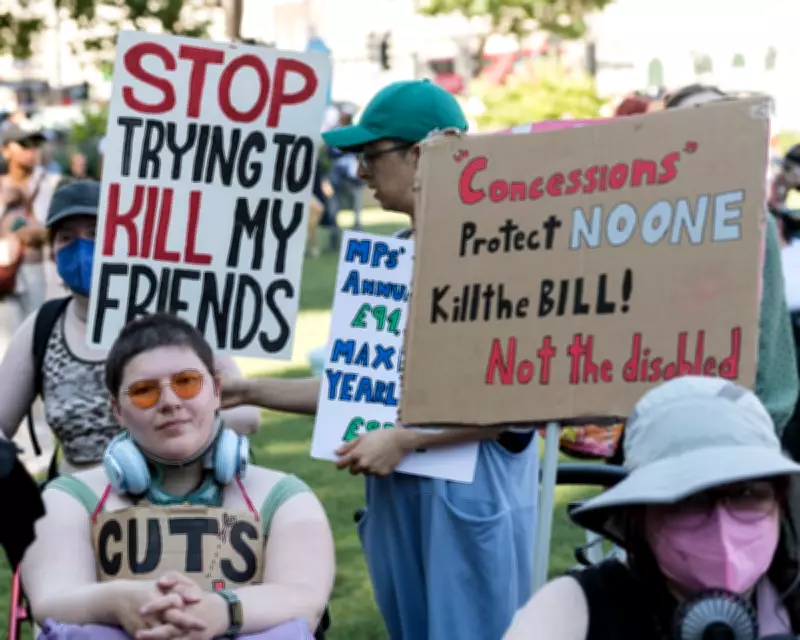
Disability Benefit Cuts Spark Protests in London, Raising Fears of Destitution
Disabled individuals and their supporters gathered in Parliament Square, London, on June 30, 2025, to protest against impending welfare benefit reductions. The demonstration highlighted growing concerns over new government policies that could severely impact the most vulnerable in society.
New Universal Credit Changes Threaten Financial Stability
Starting next week, a significant change to universal credit will affect new claimants who are too disabled or ill to work. Under the new rules, the health element of universal credit will be halved to £50 per week and then frozen, unless claimants meet strict criteria for terminal illness or severe, lifelong conditions. This adjustment, part of a broader £5 billion welfare reform package, was passed by MPs last summer despite a backbench rebellion that halted other disability benefit overhauls.
Charities and disabled people's organizations have expressed alarm, warning that this cut could push hundreds of thousands into deep financial hardship. Samuel Thomas from the anti-poverty charity Z2K stated, "Families losing out on this vital income could face eviction, go without food and heating, and lose access to the care they depend on." The change is estimated to affect approximately 730,000 future recipients by 2029-30, including individuals who may become disabled or chronically ill in the coming years.
Impact on New Claimants and Future Recipients
The cut applies exclusively to new claimants, creating a disparity where those applying after the implementation date will be, on average, £3,000 per year worse off by the end of the decade compared to current claimants. This policy shift sends a clear message about who the government prioritizes, as the standard allowance for all universal credit recipients, including those able to work, will increase simultaneously.
Many fear that the political and media response to these cuts has been muted, with disability benefits often overlooked in favor of more widely discussed issues like NHS waiting lists or school infrastructure. This lack of attention exacerbates the risk that the human cost of these policies will go unnoticed until it is too late.
Broader Implications for Society and Policy
The debate over disability benefits touches on deeper societal questions about support for those unable to work due to health conditions. While the benefits bill is rising, including pensions, there is a growing need for a compassionate approach that ensures a decent quality of life for all citizens. Solutions may involve investing in mental health services, improving preventive healthcare, and addressing inequality through measures like wealth taxes.
As the UK faces an ageing population and increasing health challenges, the necessity of a robust safety net becomes ever more critical. The protests in London serve as a stark reminder that disability can affect anyone, and the decisions made today will shape the support available for future generations.




