New Prostate Cancer Drug VIR-5500 Shows 'Stunning' Results in Early Trials
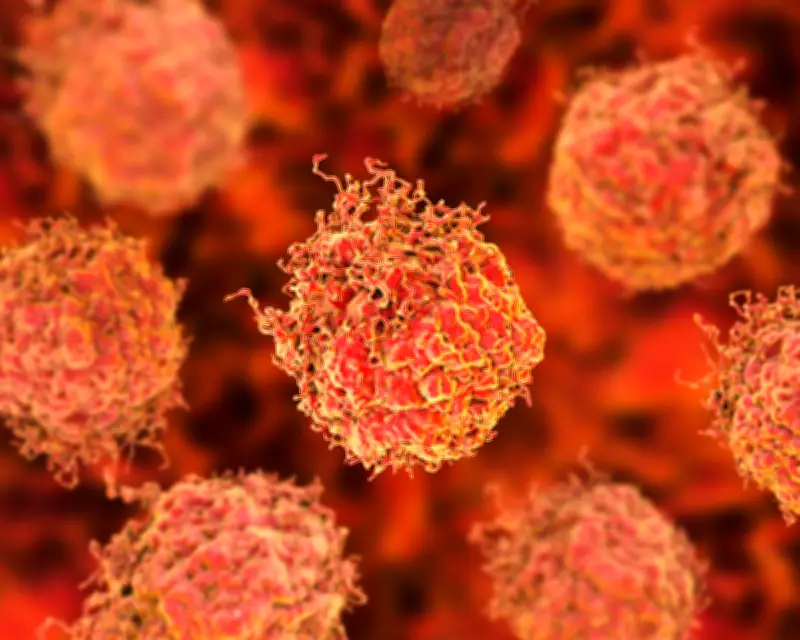
Early trials of a new immunotherapy drug for advanced prostate cancer have generated significant excitement among researchers, with the medication, VIR-5500, demonstrating the ability to shrink tumours in some patients while causing only mild side-effects. Prostate cancer is the most common cancer among men in many countries, including the US and UK, with approximately 1.5 million men diagnosed worldwide each year, highlighting the urgent need for innovative treatments.
How VIR-5500 Works: A Breakthrough in Immunotherapy
The drug VIR-5500 operates as a T-cell engager, an engineered antibody that brings together the body's killer T-cells with tumour cells that are actively trying to evade the immune system. This mechanism allows the killer cells to effectively target and destroy tumour cells. Professor Johann de Bono of the Institute of Cancer Research and the Royal Marsden NHS Foundation Trust, who led the research, explained that the special feature of VIR-5500 is its design to become activated only within the tumour environment.
This targeted activation not only minimises side-effects—a critical consideration given that other T-cell engagers have triggered severe inflammatory responses in prostate cancer patients—but also allows the drug to linger in the bloodstream, potentially reducing the frequency of doses required.
Phase One Clinical Trial Results: Unprecedented Outcomes
In a phase one clinical trial funded by Vir Biotechnology, 58 men with advanced prostate cancer who had stopped responding to other treatments were administered VIR-5500. The majority of patients, 88%, experienced only very mild side-effects. Researchers then assessed the level of prostate-specific antigen (PSA) in the men's blood, a biomarker where higher levels can indicate prostate conditions.
The trial began with low doses, gradually increasing in stages. When data from 17 men given the highest dose were analysed, the results were remarkable:
- 14 men (82%) saw their PSA level fall by at least half after treatment.
- 9 men (53%) experienced a PSA level reduction of at least 90%.
- 5 men (29%) had a fall of at least 99% in PSA levels.
Professor de Bono described these outcomes as unprecedented for a disease previously considered "immune-cold," meaning resistant to immunotherapy. Additionally, among 11 patients given the highest dose with measurable tumours, five showed tumour shrinkage. In one notable case, a 63-year-old man whose cancer had spread to his liver saw 14 cancerous liver lesions completely resolved after six cycles of treatment.
Expert Reactions and Future Directions
The results, presented at the American Society of Clinical Oncology genitourinary cancers symposium in San Francisco, though not yet peer-reviewed, have been met with optimism. Professor de Bono stated, "We believe that such treatments may in the long term lead to cures," and added, "We do need more data but the results are stunning." Further clinical trials are now being planned to build on these findings.
Charlotte Bevan, Professor of Cancer Biology at Imperial College London, who was not involved in the study, noted that an advance in using immunotherapy for prostate cancer is potentially very exciting, opening up a new class of drugs. However, she emphasised the importance of conducting studies with patients of diverse ethnicities, given existing disparities in prostate cancer outcomes.
Simon Grieveson, Assistant Director of Research at Prostate Cancer UK, described the early-phase trial as exciting. He highlighted that with over 12,000 men dying from prostate cancer each year in the UK, there is an urgent need for new and innovative treatments. "These early results are extremely promising, with a number of men on the study responding positively to the treatment with minimal side effects," he said. "I look forward to seeing this now tested in larger trials, with the hope that this treatment will offer men more valuable time with their loved ones."