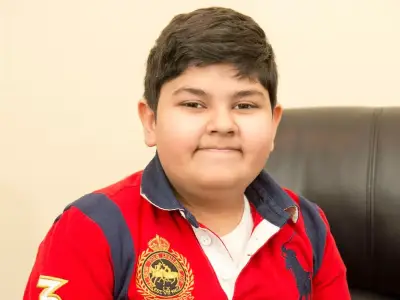
A 23-year-old poker dealer from Croydon, South London, has died after a stomach ache turned out to be one of the rarest and most aggressive forms of kidney cancer. Nickodemus Dacres was diagnosed with stage four medullary renal cell carcinoma (RMC) on February 6 last year, following months of tests and hospital visits. He passed away on September 26, with his mother Donna Dacres, 59, by his side throughout his illness until his final moments.
From stomach pain to diagnosis
The first sign of trouble came in July 2024, when Nickodemus experienced extreme stomach pain while on shift at work. He initially did not think much of it, but when he went to the bathroom and urinated blood, a colleague rushed him to A&E. Over the following months, he underwent a series of tests until a scan revealed a small tumour in his right kidney. However, the family was not informed at that stage that the growth was cancerous.
The lump continued to grow, and the pain worsened. In December 2024, surgeons decided to remove the kidney and several lymph nodes for testing. In February, Donna received the devastating diagnosis: stage four RMC, a cancer so rare that she was told only nine other people in the UK share the condition. According to the Ricky Casey Trust, the true prevalence of RMC worldwide is not known.
A mother's heartbreak
Donna, who is originally from Jamaica and a single mother, said: “He was such a bubbly young man. He had a heart of gold and he loved to give. As a mum, nothing prepares you for watching your child suffer knowing there is so little you can do to take the pain away.” She added: “They sent us to the oncology department, and I didn’t even know what that was. No one in our family is ever sick. I was really stunned.”
By the time the cancer was discovered, it had already spread beyond the kidney to the lymph nodes and lungs. Despite chemotherapy, it progressed to the liver and bones, and Nickodemus began vomiting relentlessly. His weight dropped from 74kg to less than 55kg. Donna said: “Watching that energetic, independent young man become so poorly has been absolutely heartbreaking.”
Treatment setbacks and final days
After fundraising to afford targeted chemotherapy—treatment not routinely funded by the NHS—there was a period of hope. For weeks, Nickodemus stopped vomiting, and doctors said the treatment was working. But new symptoms appeared: dark urine, shoulder pain, jaundiced eyes, and even black vomit. Donna asked doctors if something was wrong with his liver, but scans showed no change, so chemotherapy continued.
While Donna was attending a church conference in Manchester—the first time she had left her son in over two years—she received no calls indicating his condition was worsening. On Saturday morning, Nickodemus called her to say things were bad, and she began driving back. Before she arrived, doctors called with the news that he had passed away. When she reached the hospital, they told her his liver had failed.
Donna said: “I just started to scream. I love him so much. He is my only son here, I don’t have anybody. I had no indication that he was going to die. The one time I left him in over two years. I went to church and he died. He died by himself. They knew his liver was failing from the morning. They had my number on file and knew I never left him and nobody called me.”
Call for awareness and funeral fundraising
Donna feels let down by the hospital for not calling her and believes the last round of chemotherapy should not have been administered given his condition. She has since launched a fundraiser to cover funeral costs, as she had to leave her job to care for him. She is also urging other young people, particularly young Black men, to get regular check-ups. She said: “Young black guys need to go to their GP regularly to get checked. If you notice any abdominal pain do not ignore it.” A fundraiser has been set up to support the family during this difficult time.