Nihal's Daily Battle with a Rare Genetic Disorder
Nihal, a young woman living in Saint-Étienne, France, has a unique morning ritual. She checks a small black monitor to measure ultraviolet levels before stepping outside. Diagnosed with xeroderma pigmentosum (XP), a rare genetic condition, she is estimated to be 4,000 times more likely to develop skin cancer than the general population. This incurable disorder affects just over 100 people in France, often referred to as "Children of the Moon" due to their extreme sensitivity to ultraviolet light.
Protective Gear and Daily Struggles
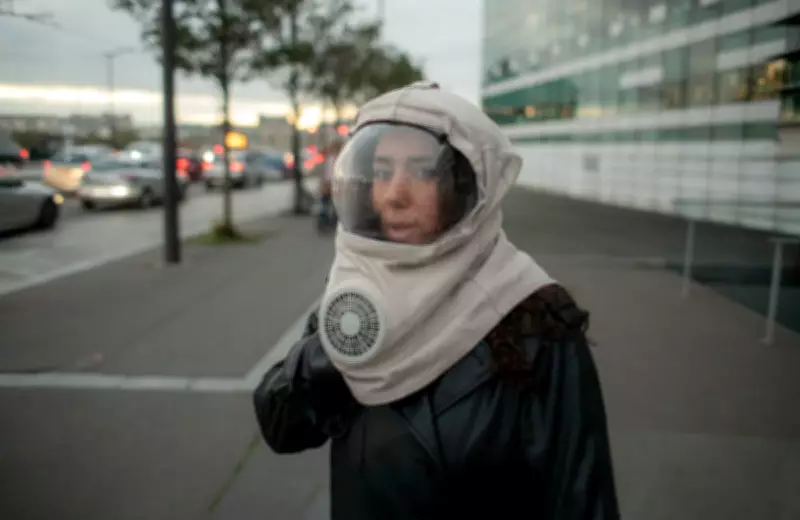
To safeguard herself, Nihal wears a helmet, long leather coat, and gloves—an outfit that might seem straight out of a science fiction movie but is essential for her survival. The helmet, developed and funded by the French organisation "Enfants de la Lune," features an internal ventilation system to prevent fogging and a transparent shield for better visibility. Before this innovation, she relied on a balaclava and ski goggles, which made communication difficult and drew stares from classmates who thought she looked like an alien.
Her protection extends beyond sunlight; she must also avoid artificial lights that emit UV rays. Nihal notes that modern car windows help block these rays, but vigilance is constant. Medical checkups are routine to monitor for melanomas, as even minimal exposure can have severe consequences.
Early Diagnosis and Family Challenges
Nihal was diagnosed at age two and a half while living in Algeria. Her mother, Nassima, recalls frequent beach trips where Nihal would hide from the sun. A doctor warned that in such extreme climate conditions, her life expectancy might not exceed five years, leaving the family devastated. Forced to relocate to France, they found a school willing to install UV filters, allowing Nihal an almost normal education.
The family faced further hardship when Nassima was pregnant with triplets shortly after the diagnosis. Fearing they might inherit the same condition, she experienced deep despair, but ultimately, the triplets were born healthy. This period highlighted the emotional toll of XP on families.
Building a Life Against the Odds
Despite these challenges, Nihal has pursued an active life. She practices indoor sports like judo and boxing, tailored to her needs. Recently, she completed studies in fashion and communication, embarking on a freelance career. In a significant personal milestone, she married Ayoub in May 2025 after meeting him on social media in 2024, finding an ally in her fight against the disease.
Nihal dreams of starting a family, noting she already has names picked out for two children. Her journey is a testament to resilience, as many believed she would not survive childhood. She participates in annual gatherings organised by the "Enfants de la Lune" association, connecting with others who share her condition and discussing daily challenges.
Public Awareness and Personal Identity
Nihal often appears on French television to raise awareness about XP, using her helmet as a "signature" rather than hiding it. Reactions from the public vary, with some mistaking it for COVID-19 protection or inquiring about the brand. Through these interactions, she aims to normalise her experience and inspire others with rare diseases.
As night falls and UV levels drop to zero, Nihal enjoys moments of freedom, such as biking into the hills alone. Her story, documented by photojournalist Paul-Louis Godier, underscores the importance of Rare Disease Day on 28 February, which highlights over 6,100 conditions worldwide. Nihal's determination to live an almost normal life serves as a powerful message of hope and perseverance in the face of adversity.