Lawyers for US Cancer Sufferers Challenge Bayer's $7.25bn Roundup Settlement Deal
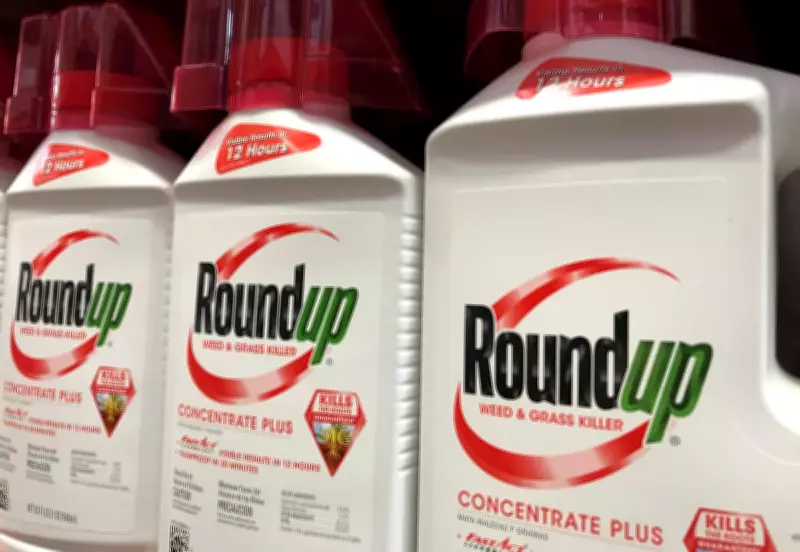
A coalition of 14 law firms, representing nearly 20,000 plaintiffs, has filed motions to intervene in Bayer's proposed $7.25bn class action settlement for Roundup litigation. The firms argue that the deal, which would pay users of glyphosate-based weedkillers who have non-Hodgkin lymphoma amounts ranging from $10,000 to $165,000, is unfair and raises significant red flags. They filed both a motion to intervene and a motion for an extension of time for court preliminary approval in St. Louis City Circuit Court in Missouri on February 24.
Concerns Over Fairness and Transparency
The opposing law firms assert that the settlement appears unprecedented and heavily favors Bayer and its subsidiary Monsanto. In their motion, they state, "It is hard to escape the impression that the proposed settlement would give Monsanto everything it desires – a near-complete release of liability for Monsanto and its parent company, Bayer AG – while giving inadequate consideration to many putative class members, who would surrender their substantive rights in exchange for settlement offers that may never result in payment." They highlight that the 600-page agreement was negotiated behind closed doors and does not adequately represent the interests of the plaintiffs they serve.
Disparities in Payment Schedules
A key point of contention is the alleged imbalance in compensation between occupational and residential users. Under the proposed payment schedule, an occupational claimant diagnosed before age 60 with aggressive non-Hodgkin lymphoma could receive an average of $165,000, while a residential user with the same condition would average only $40,000. The law firms argue this disparity unfairly disadvantages many cancer sufferers who used Roundup in non-commercial settings.
Bayer's Response and Legal Strategy
Bayer, which maintains that its glyphosate herbicides do not cause cancer, responded to the opposition by stating it is "not surprised" and expects a "robust debate" about the settlement. The company expressed confidence that the proposal is fair to all claimants and warrants court approval. Bayer has faced over 100,000 lawsuits since acquiring Monsanto in 2018 and has paid billions in settlements and verdicts related to non-Hodgkin lymphoma cases.
The plaintiffs' legal team that negotiated the settlement with Bayer defended the deal, warning that without it, plaintiffs risk Monsanto filing for bankruptcy, which could hinder future compensation. They emphasized that the settlement aims to provide justice for tens of thousands of Roundup victims who have waited years for resolution.
Supreme Court Involvement and Broader Implications
Bayer is leveraging a looming U.S. Supreme Court review to incentivize plaintiffs to agree to the settlement. The company argues that federal law pre-empts failure-to-warn claims, citing the Environmental Protection Agency's lack of a definitive cancer link and approved labels without cancer warnings. The Supreme Court has set a hearing for April 27 on this issue. In its recent filing, Bayer cited support from former President Donald Trump and U.S. regulators, renewing a threat to stop sales of glyphosate-based herbicides to farmers if it does not prevail. This legal battle underscores ongoing debates over corporate accountability and public health in chemical regulation.