From Failed Guide Dog to Fulfilled Therapy Companion
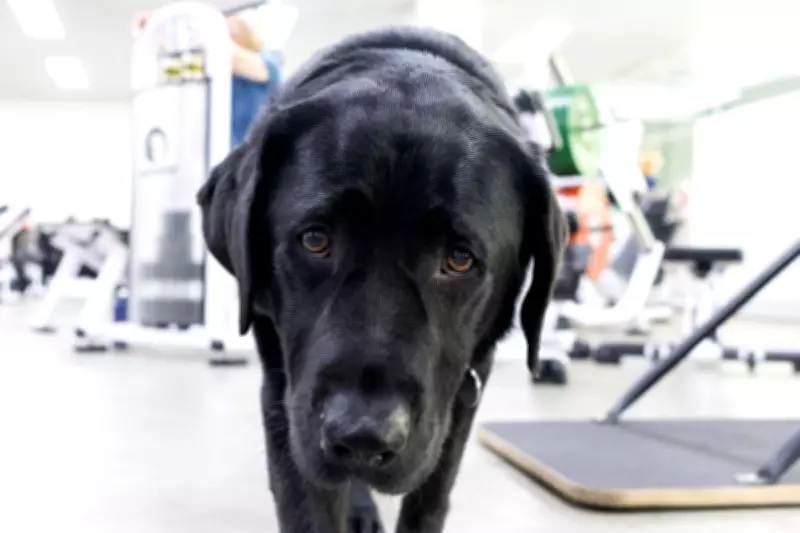
Marcus, a four-year-old black Labrador with soulful brown eyes and a notably robust physique, has carved out an unexpectedly perfect career path. Initially bred and trained by Guide Dogs NSW in Glossodia, a small town northwest of Sydney, Marcus was destined for the noble profession of guiding individuals with low vision or blindness. However, his laid-back personality and "low drive to work" led to a career change that has since brought immense comfort to many.
A Puppy with Potential and Peculiarities
Born in April 2020, Marcus began his journey with puppy raisers Alex and Alison during the global pandemic. Described as "tiny and funny" with a "stubby little face," he quickly mastered basic commands like sit, drop, stay, and come within two weeks. Despite his proficiency, Marcus exhibited a preference for leisurely activities over rigorous training. He enjoyed digging holes, licking yoghurt tubs clean, and seeking snuggles rather than focusing on the disciplined tasks required of a guide dog.
His official assessment after 14 months highlighted an "unwillingness to work," with notes describing him as "a sloth with a low drive to work." Guide Dogs NSW, which now uses the term "career path change" instead of "rejected," determined that Marcus was better suited for a different role. In 2025, he joined the ranks of therapy dogs, a field where his affectionate and polite demeanor could shine.
Therapy Dogs: A Growing Force in Community Support
Therapy dogs like Marcus play a crucial role in various settings across New South Wales and the Australian Capital Territory. In 2025, 93 dogs were placed as therapy dogs, compared to 39 that graduated as guide dogs. There are currently over 650 therapy dogs under 12 years old working in courtrooms, schools, aged care facilities, rehab clinics, psychologist offices, and with emergency services. These dogs are trained to settle in diverse environments, respond to handler cues, and enjoy physical touch, often unlearning previous training to allow them on furniture where comfort is needed.
To qualify, dogs must demonstrate the right temperament and adaptability, including exposure to medical equipment and wheelchairs. Their primary goal is to provide a soothing presence, making them invaluable in places like Cancer Fit, a cancer care and rehabilitation centre in St Leonards, Sydney.
Marcus's New Life and Daily Routine
In 2022, Marcus was meticulously matched with oncologist Dr. Lina Pugliano, founder of Cancer Fit, after a two-year application process. He now lives with Pugliano, her husband, and their two children, aged 10 and seven. At night, Marcus checks on the children, tapping his paws on the floor to ensure their safety before retreating to his bed.
Every weekday, Marcus accompanies Pugliano to work, starting with a cafe visit where he receives a treat from the barista. At Cancer Fit, he greets patients, patrols exercise machines, and offers comfort instinctively. He often sits under desks during oncology consultations or rests his head on distressed individuals' legs, providing silent support. His presence is described as stolid, sweet, and unwavering, offering solace without the need for commands.
Challenges and Charms in His Role
Marcus's only job complaint might be the recent dietary restrictions imposed after he gained weight from sneaked snacks. On veterinary advice, he is now limited to approved treats like carrot chunks, cucumber sticks, apple slices, or strawberry tops, though some clients admit to occasionally bending the rules. Despite this, Marcus remains generous with his affection, favoring those who feed him but comforting anyone in need, cheese in pocket or not.
His story highlights the importance of matching dogs' natural inclinations with their roles, proving that even a "sloth-like" Labrador can find profound purpose in bringing joy and comfort to cancer patients and beyond.