UK Grants US Access to Military Bases for Defensive Operations Against Iran
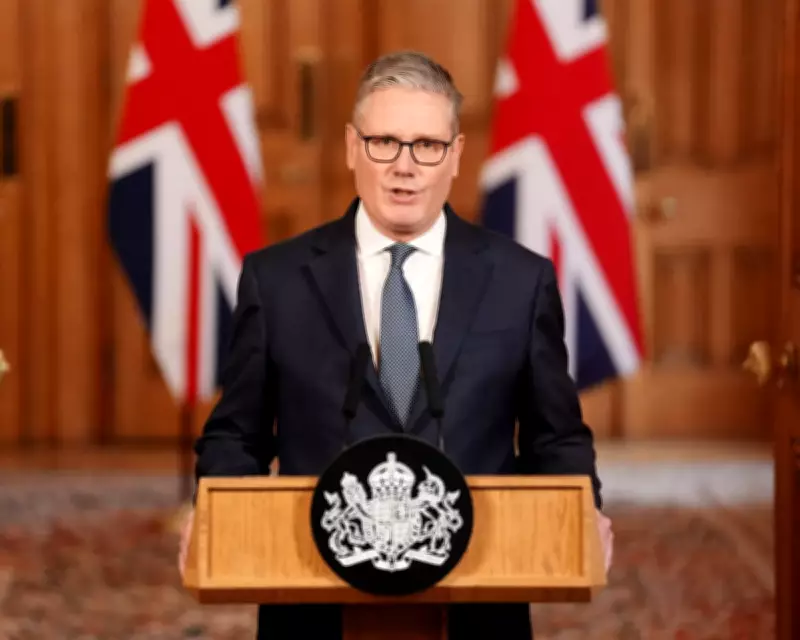
In a significant escalation of British involvement in Middle Eastern security matters, Prime Minister Keir Starmer has announced that the United Kingdom will permit the United States military to utilize British bases for defensive strikes targeting Iranian missile installations. This decision, revealed in a recorded statement on Sunday evening, marks a pivotal shift in UK foreign policy regarding the ongoing regional tensions.
Rationale Behind the Strategic Decision
Starmer emphasized that Iran's military approach has grown increasingly reckless, posing direct threats to British lives and regional stability. The prime minister stated that approximately 200,000 British citizens currently reside in Middle Eastern countries that have become targets of Iranian aggression, necessitating proactive defensive measures.
"The only way to stop the threat is to destroy the missiles at source in their storage depots or the launchers which are used to fire the missiles," Starmer declared in his address. "The US has requested permission to use British bases for that specific and limited defensive purpose."
Legal Justification and International Coordination
The UK government simultaneously released a summary of its legal position, asserting that Britain is "acting in the collective self-defence of regional allies who have requested support." This legal framework provides the foundation for what Starmer described as "necessary and proportionate defensive action" aimed at degrading Iran's capability to launch missiles and drones against neighboring nations.
In a coordinated diplomatic move, the United Kingdom joined France and Germany in issuing a joint statement affirming their commitment to "take steps to defend our interests and those of our allies in the region." The statement further clarified that defensive operations would focus specifically on eliminating Iran's offensive capabilities at their source rather than broader military engagement.
Operational Details and Immediate Actions
British military assets have already been deployed as part of this new defensive posture. Starmer confirmed that British jets were actively participating in coordinated defensive operations that had "already successfully intercepted Iranian strikes" prior to the formal announcement. The prime minister stressed that UK involvement would remain strictly defensive, targeting only missile storage facilities and launch systems rather than engaging in offensive operations against Iranian territory.
Domestic Political Reactions and Controversies
The decision has sparked immediate controversy across the British political spectrum. Within Starmer's own Labour party, significant opposition has emerged, with Emily Thornberry, the Labour chair of the foreign affairs committee, publicly stating that the US military action violates international law. Green party leader Zack Polanski echoed these concerns during a BBC interview, characterizing the strikes as "an illegal and unprovoked attack."
Conversely, Starmer faces mounting pressure from Conservative and Reform UK politicians to demonstrate stronger support for American military initiatives in the region. The political balancing act has created what analysts describe as Starmer's greatest foreign policy quandary since taking office, testing the boundaries of the UK's "special relationship" with the United States.
Government Positioning and Diplomatic Nuances
The UK government has adopted a carefully calibrated position regarding recent US military actions. While British officials have declined to explicitly endorse strikes that reportedly killed approximately 48 Iranian leaders, they have similarly refrained from condemning the operations. Defence Secretary John Healey offered perhaps the most revealing insight into government thinking during Sunday morning interviews.
"I think few people will mourn the ayatollah's death," Healey stated, referencing Iran's Supreme Leader Ali Khamenei. "Iran and the regime he's led for so long, it's a source of evil – murdering its own citizens and sponsoring and exporting terror."
Broader Implications and Regional Security Concerns
This policy shift represents the UK's deepest military involvement in Middle Eastern conflicts in recent years and raises important questions about:
- The legal boundaries of collective self-defense under international law
- The potential escalation risks in an already volatile region
- The safety of British citizens and diplomatic personnel throughout the Middle East
- The long-term implications for UK-Iran relations and broader diplomatic channels
Foreign Office officials have reportedly begun contingency planning for potential evacuations of British nationals from the region, though no formal evacuation orders have been issued. The situation remains fluid, with government sources indicating that UK involvement will be continuously reassessed based on evolving security conditions and diplomatic developments.