London Woman's 10-Month Wait for Hospital Referral Ends With Stage 4 Cancer Diagnosis
Tamara Mulley, a 29-year-old London resident working at Heathrow Airport, experienced a critical 10-month delay in receiving a hospital referral that ultimately led to her diagnosis of stage 4 cholangiocarcinoma, commonly known as bile duct cancer. Her journey began in February 2023 when she first reported bloating and hip pain to her doctor, who suspected conditions like endometriosis and referred her to a gynaecologist.
The Long Wait for Medical Attention
Tamara's appointment with the gynaecologist finally arrived in December 2023, a full 10 months after her initial referral. During this extended waiting period, her symptoms dramatically worsened. "It wasn't until December of 2023 that I got a really bad cough and the symptoms from that really floored me," Tamara explained. "I was feeling really fatigued. I couldn't stand up for a long period of time at work."
As her condition deteriorated, Tamara sought emergency medical attention in October 2023 for worsening hip pain that required pain relief medication. By December, when she mentioned breathlessness to her GP, she was directed to A&E where an X-ray revealed concerning shadows that warranted further investigation.
Devastating Diagnosis and Prognosis
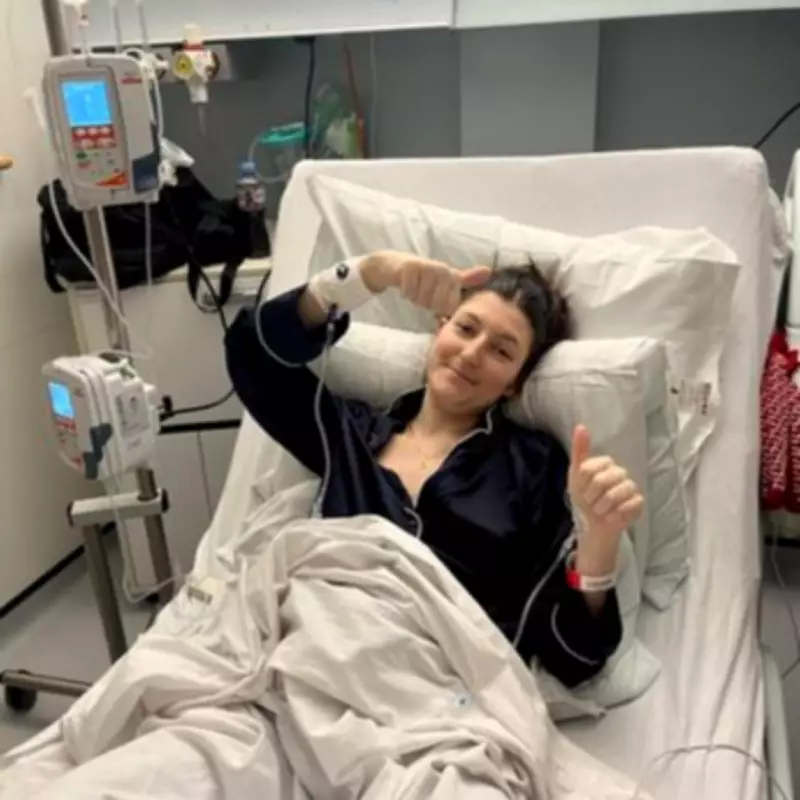
On December 23, 2023, Tamara received her devastating diagnosis: stage 4 cholangiocarcinoma that had spread extensively throughout her body. "The cancer had already spread to my hip, my spine, my collarbone, multiple tumours in my lungs and quite a large tumour in my liver," she described. "When I saw the scans, it lit up like a Christmas tree. It was just kind of everywhere."
The diagnosis came with a grim prognosis. In January 2024, doctors informed Tamara that her cancer was incurable and gave her approximately two years to live. "You'll be lucky if you're sitting here in two years," she was told during that difficult consultation.
Symptoms That Went Unrecognized
Cholangiocarcinoma typically presents with several recognizable symptoms according to NHS guidelines:
- Jaundice
- Itchy skin
- Darker urine and paler stools
- Loss of appetite
- Unexplained weight loss
- Fatigue
- High temperature
Remarkably, Tamara exhibited only two of these symptoms—weight loss and fatigue—which contributed to the diagnostic challenges she faced. Her bloating symptoms had actually begun when she was just 16 years old, something she had reported to doctors numerous times over the years without receiving a definitive diagnosis.
Treatment Journey and Survival Milestone
Tamara's treatment began with immunotherapy followed by an intensive chemotherapy regimen. Initially scheduled for eight rounds, her positive response extended the treatment to fifteen rounds, which doctors estimated bought her an additional six months of life. "I did not lose my hair, which I was so thankful for," she noted, though she did require blood transfusions due to severe fatigue.
When chemotherapy eventually stopped being effective, Tamara enrolled in a clinical trial called First-308, a targeted therapy that has shown promising results in shrinking some of her tumours. "I'm lucky enough to currently be on a clinical trial," she shared.
In a significant personal victory, Tamara recently passed the two-year survival mark that doctors had initially predicted. "Passing that two-year mark was a real moment for me and one that I'm really proud of achieving," she said. "It goes to show that, although there's still a huge amount of work to be done with cholangiocarcinoma, there is hope."
Advocacy and Awareness Efforts
Tamara has become an active advocate for cholangiocarcinoma awareness and research, working closely with AMMF, the UK's only registered charity dedicated to funding research for this specific cancer type. She recently shared her story at the charity's annual conference and will be participating in a Rethink Liver Cancer meeting at the House of Commons on February 25.
"Too many people with cholangiocarcinoma are diagnosed when it's already stage four, and at that point it is too late," Tamara emphasized. "However, if it is found at stage one or stage two, it is survivable."
According to NHS England's National Disease Registration Service data, approximately two-thirds of cholangiocarcinoma patients in England receive no cancer treatment at all. Tamara remains committed to changing this statistic: "I'm really passionate that anyone who gets diagnosed with this in the future is not essentially handed a death sentence, and that they are given an opportunity to access the right treatment at the right time."
Despite her challenging circumstances, Tamara maintains a remarkably positive outlook: "I like to say that, within my bubble of unluckiness, I am the luckiest person in the world. I'm so thankful for the amazing medical teams who've been in charge of my care and that I have outlived that initial expectation."
Her philosophy moving forward reflects both realism and hope: "I always say to my doctor, you only need to keep me alive long enough for the next drug to come out, for the next discovery to be made. And hopefully, if you do that enough times, at some point they're going to find a cure."