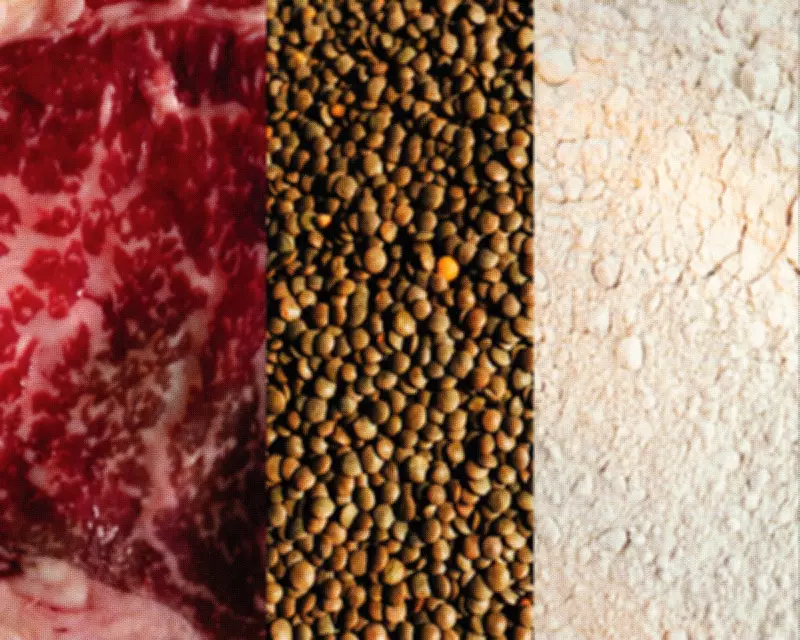
Protein is a fundamental nutrient for building and repairing tissues, producing enzymes, and supporting overall health. With countless dietary options available, understanding the pros and cons of popular protein sources can help individuals tailor their nutrition to their needs, preferences, and ethical considerations.
Animal-Based Proteins
Meat (Beef, Poultry, Pork)
Pros: Meat is a complete protein, containing all essential amino acids. It is rich in iron, zinc, and B vitamins, particularly B12, which is crucial for nerve function and red blood cell formation. Lean cuts can support muscle growth and satiety.
Cons: High consumption of red and processed meats is linked to increased risks of heart disease, certain cancers, and type 2 diabetes. Factory farming raises environmental concerns, including high greenhouse gas emissions and land use. Ethical issues regarding animal welfare also arise.

Fish and Seafood
Pros: Fish is an excellent source of high-quality protein and omega-3 fatty acids, which support heart and brain health. Varieties like salmon, mackerel, and sardines are particularly beneficial. It is often lower in saturated fat compared to red meat.
Cons: Overfishing threatens marine ecosystems, and some fish contain mercury and other pollutants. Sustainability varies widely; farmed fish may have different nutritional profiles and environmental impacts. Cost can be a barrier for some.
Eggs
Pros: Eggs are a nutrient-dense, complete protein source. They contain choline, important for brain health, and are versatile and affordable. The yolk provides vitamins A, D, and E, as well as antioxidants like lutein.
Cons: Eggs are high in dietary cholesterol, though recent research suggests moderate consumption does not significantly raise blood cholesterol for most people. Concerns about cholesterol persist, and ethical issues around battery farming are notable. Allergies are common.
Dairy (Milk, Yogurt, Cheese)
Pros: Dairy products are rich in calcium, vitamin D, and protein, supporting bone health. Greek yogurt and cottage cheese are particularly high in protein. They can be convenient and widely available.
Cons: Lactose intolerance affects a large portion of the population, causing digestive discomfort. Full-fat dairy can be high in saturated fat and calories. Some studies link high dairy intake to increased risk of certain cancers. Environmental impact from methane emissions is significant.
Plant-Based Proteins
Legumes (Beans, Lentils, Chickpeas)
Pros: Legumes are high in protein and fiber, promoting digestive health and satiety. They are low in fat and rich in iron, potassium, and folate. They have a low environmental footprint and are affordable.
Cons: Most legumes are incomplete proteins, lacking one or more essential amino acids. However, combining them with grains (e.g., rice and beans) can create a complete profile. They may cause bloating and gas due to oligosaccharides. Preparation time can be lengthy.
Soy Products (Tofu, Tempeh, Edamame)
Pros: Soy is a complete plant protein, containing all essential amino acids. It is versatile and can mimic meat textures. Tofu and tempeh are rich in iron and calcium. Soy consumption is linked to reduced risk of heart disease and certain cancers.
Cons: Concerns about phytoestrogens affecting hormone balance are largely unfounded for moderate consumption, but some individuals may have sensitivities. Most soy is genetically modified unless organic. Processing can reduce nutrient density.
Nuts and Seeds
Pros: Nuts and seeds provide protein along with healthy fats, fiber, vitamins, and minerals like magnesium and vitamin E. They are convenient as snacks and can be added to meals. Walnuts and flaxseeds offer omega-3s.
Cons: They are calorie-dense, so portion control is important. Some people have nut allergies. Protein content per serving is lower compared to other sources. They can be expensive.

Grains (Quinoa, Amaranth, Buckwheat)
Pros: Quinoa and amaranth are complete proteins, rare for grains. They are gluten-free and rich in fiber, iron, and magnesium. They are versatile and can be used in salads, bowls, and as side dishes.
Cons: These grains can be more expensive than traditional grains like rice or wheat. They may contain saponins, which can cause digestive issues if not rinsed properly. Availability may be limited in some areas.
Seitan (Wheat Gluten)
Pros: Seitan is a high-protein, low-fat meat substitute made from wheat gluten. It has a chewy texture similar to meat and absorbs flavors well. It is a complete protein when fortified with lysine.
Cons: It is not suitable for people with celiac disease or gluten sensitivity. It is highly processed and may contain added sodium. Nutritional profile varies by brand; some lack certain amino acids.
Emerging and Alternative Proteins
Insect Protein
Pros: Insects like crickets and mealworms are highly sustainable, requiring minimal land, water, and feed. They are complete proteins, rich in iron and B12. They have a low carbon footprint.
Cons: Cultural aversion in many Western societies limits acceptance. Allergens similar to shellfish may affect some individuals. Processing into flours or bars can be costly.
Lab-Grown Meat
Pros: Cultured meat offers animal protein without slaughter, potentially reducing ethical and environmental concerns. It can be engineered to have lower fat and no antibiotics.
Cons: Currently expensive and not widely available. Energy-intensive production may still have environmental impacts. Consumer skepticism and regulatory hurdles remain.
Making an Informed Choice
Choosing protein sources involves balancing nutritional needs, health goals, budget, and ethical values. A varied diet that includes both animal and plant proteins can provide a complete amino acid profile and diverse nutrients. For those reducing animal products, combining complementary plant proteins ensures adequate intake. Ultimately, the best protein source is one that fits your lifestyle and supports long-term well-being.