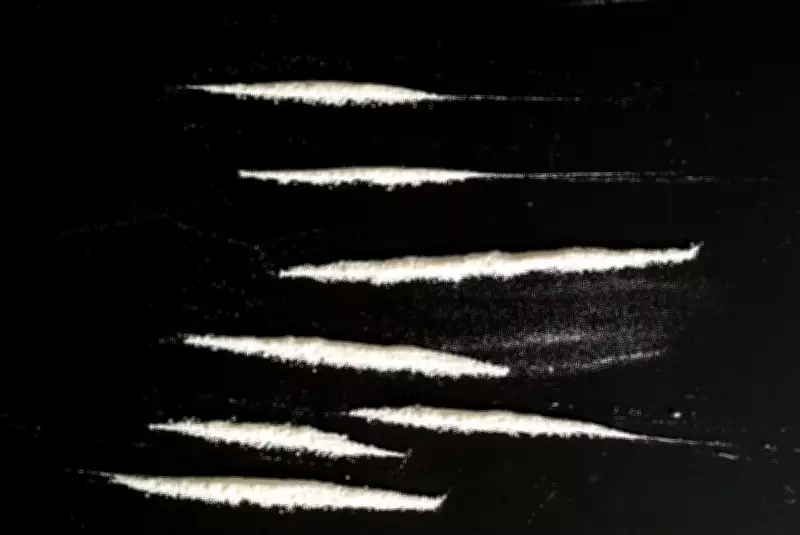
US Cocaine Use Plummets as Gen Z Shifts to Psychedelics and Ketamine
Ever since cocaine surged into American culture in the early 1970s, its use has been deeply intertwined with notions of capitalist excess and a brash, bombastic national identity. However, recent data reveals a dramatic decline in cocaine consumption, particularly among younger generations, signaling a potential end to its decades-long dominance in the US drug scene.
A Steep Decline in Cocaine Consumption
In the 1980s, during the height of cocaine's popularity, 6.7% of Americans reported using the drug annually. Today, that figure has plummeted to just 1.5%, with only 4.3 million adults admitting to use in the year up to 2024, down from 5.9 million in 2017. This shift is most pronounced among Gen Zers, aged 18 to 25, whose usage dropped from 2.1 million in 2017 to 811,000 in 2024.
Max Daly, former global drugs editor at Vice, notes, "There's a presumption that cocaine use is booming in America like it is in many parts of the world. But the data shows a marked decline in the last decade, ironically during a time when cocaine production in Colombia has hit record levels."

Why Gen Z Is Turning Away from Cocaine
For Gen Z, cocaine is increasingly viewed as ethically problematic and associated with outdated nightlife cultures centered on heavy drinking. Joel Brierre, an entrepreneur who once sold and used cocaine extensively, observes, "A Gen Z kid would die if they tried to party like Gen Xers or millennials. People are becoming acutely aware of their health and mental wellness, and the side effects of a coke binge."
Additionally, the perception of cocaine as dangerous has grown due to fears of fentanyl contamination, though experts note this is rare. Andrew Yockey, an assistant professor of public health at the University of Mississippi, explains, "It has made even occasional use feel unpredictable." Young adults are now turning to alternatives such as cannabis, prescription stimulants like Adderall, and newer substances like ketamine and psychedelics.
The Rise of Alternative Drugs
Ketamine, psychedelics, GHB, and lesser-known stimulants like 3-MMC are gaining popularity as cocaine fades from the spotlight. A long-time raver from the US northeast, who wished to remain anonymous, says, "Cocaine can double down on people's anxiety and depression – ketamine, even when you're not doing it 'right', often leaves a more positive mark."
This shift reflects a broader trend toward a mixed-drug environment in the US. Ed Sisco, a research chemist at the National Institute of Standards and Technology, reports that novel drugs with no prior history in the US are being detected regularly, indicating a rapidly evolving landscape.
Overdose Deaths and Ongoing Risks
Despite the decline in use, overdose deaths involving cocaine have risen sharply, from 10,475 in 2016 to 22,174 in 2024. Some attribute this increase to fentanyl contamination, but experts like Travis Wendel, a scholar of illegal drug markets, caution that such adulteration is unlikely. "It would be very foolish for cocaine dealers to add fentanyl to their product, as this would cause it to have the opposite effect to what cocaine buyers want and would kill their sales," he says.
Instead, the rise in deaths may be linked to the increased potency of cocaine, with average purity of seized samples jumping from 54% in 2020 to 88% last year, or to deliberate polydrug use, such as injecting speedballs.
Political and Global Implications
While US domestic use wanes, political rhetoric around cocaine persists. Former President Donald Trump has cited cocaine trafficking to justify actions against Venezuela, and US operations against small boats in the Caribbean continue, despite lack of evidence linking them to drug smuggling. However, as Daly concludes, "America turning away from cocaine could signal a downward shift in the use of the drug globally, at a time when it's never been so abundant."