Russell T Davies’ Tip Toe is a once-in-a-decade drama that rocks the zeitgeist: a bold, brave statement of truth that many have been too scared to write and broadcasters too afraid to commission. Millions of viewers who binged all five episodes have been horrified, and rightly so.
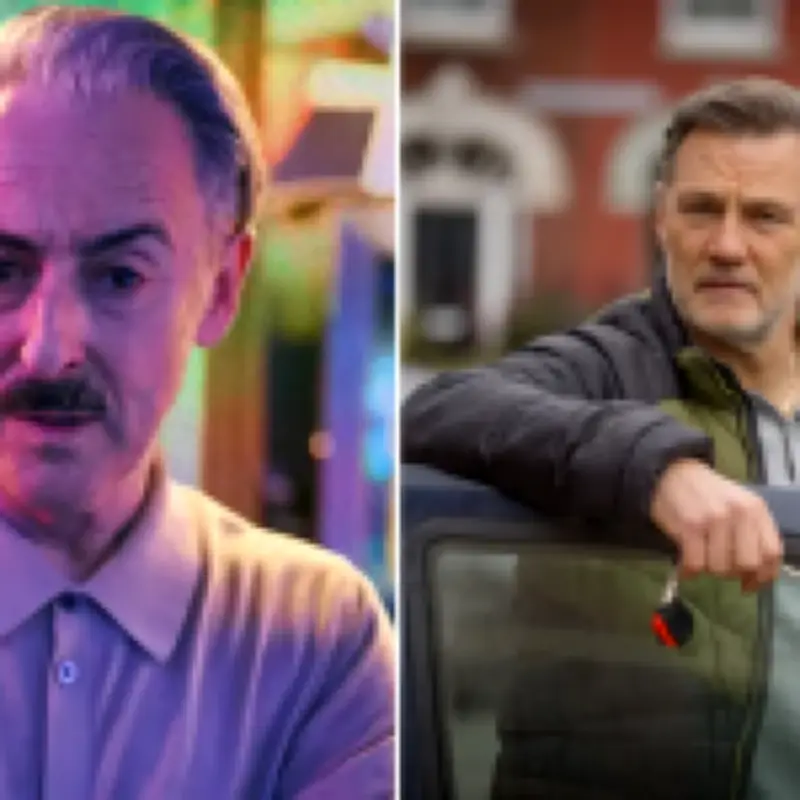
The series follows Leo (Alan Cumming), killed by an angry mob led by his neighbour Clive (David Morrissey). It shows how a petty dispute escalates into something far darker, fuelled by misinformation, homophobia, and hatred. The opening episode begins with Leo’s body hanging from a lamppost outside his home, and the finale is one of the most harrowing moments on television—gut-wrenching and traumatising. Yet Leo’s death reflects a very real fear shared by many LGBTQ+ people, who worry that same violence could one day be directed at them.
LGBTQ+ Hate Crimes on the Rise
LGBTQ+ hate crimes are increasing. The Rainbow Map, which ranks European countries on legal protections for LGBTQ+ people, now places the UK 22nd out of 49 nations. Only 11 years ago, it was ranked first. Pride flags are torn down almost as quickly as they are put up, and while the community remains resilient, it cannot face these challenges alone.

Davies is one of the few writers with the reach to engage audiences beyond the LGBTQ+ community, and Tip Toe’s impact has been inescapable. But venting on social media is not enough—change only happens through action.
Metro spoke to Ben Kerningham, co-CEO of GALOP, the charity supporting LGBTQ+ victims of hate crime, domestic abuse, and sexual violence, and Rach Perry about what viewers can do to create meaningful change.
Changing Nature of Hate Crime
Ben explained the link between visibility and hate crimes: “Perpetrators do their hate crimes in public, thinking they’ll get away with it. They reference publicly homophobic and transphobic figures, justifying their actions.” The nature of hate crime is changing, with strong links between online and real-world incidents. “People can think it starts as a joke, but social media multiplies it, outing people and putting them in dangerous situations, especially young people.”
Sexual abuse is also evolving with technology, and regulators are slow to catch up. “We hear heartbreaking stories from people who recently came out, wishing they hadn’t because of what happened. Others say they wouldn’t hold their partner’s hand out of fear.”
What Can People Do About Social Media?
Ben emphasised awareness: “Lots of people know GALOP exists, but not everyone does. Getting support close to the time of an incident can prevent long-term damage. We have a helpline, advocacy, and can help with housing or police support if desired.”
On banter escalating, he noted: “In a group, someone says something, giving permission for others. If not challenged, it affirms the belief it’s okay. Challenging it early can prevent escalation.”
Rising Calls and Trends
GALOP has seen a 27% increase in helpline calls year on year. Rach Perry added: “We’re seeing more arson cases tied to neighbour dynamics. Those cases are complex because safety planning comes before reporting.”
Over five years, homophobic hate crime rose 19%, transphobic hate crime 52%. Ben attributed the transphobic spike to increased media discussion and contention around trans issues.
How to Call Out Bigotry Safely
“Put your own safety first,” Ben advised. “The workplace is important—report without direct confrontation. Friendship groups are also good; a homophobic joke from a friend can be addressed.”
Resources and Learning
Visit the GALOP website for research and reports. “We’re one of the few organisations focused on both LGBT+ issues and hate crime,” Ben said.
To those who find Tip Toe unrealistic: “Hate crimes occur at many degrees of severity, all with long-term damaging effects. Sadly, murders do happen.”
Ben wished the show had covered available support: “It painted a bleak picture, but there is support out there.”
Final Advice
“Watch it, even though it’s hard. It educates and reminds people this problem hasn’t gone away. It’s a growing problem. Friends and allies should challenge homophobia and transphobia and be good friends when support is needed.”

Tip Toe is available on Channel 4.