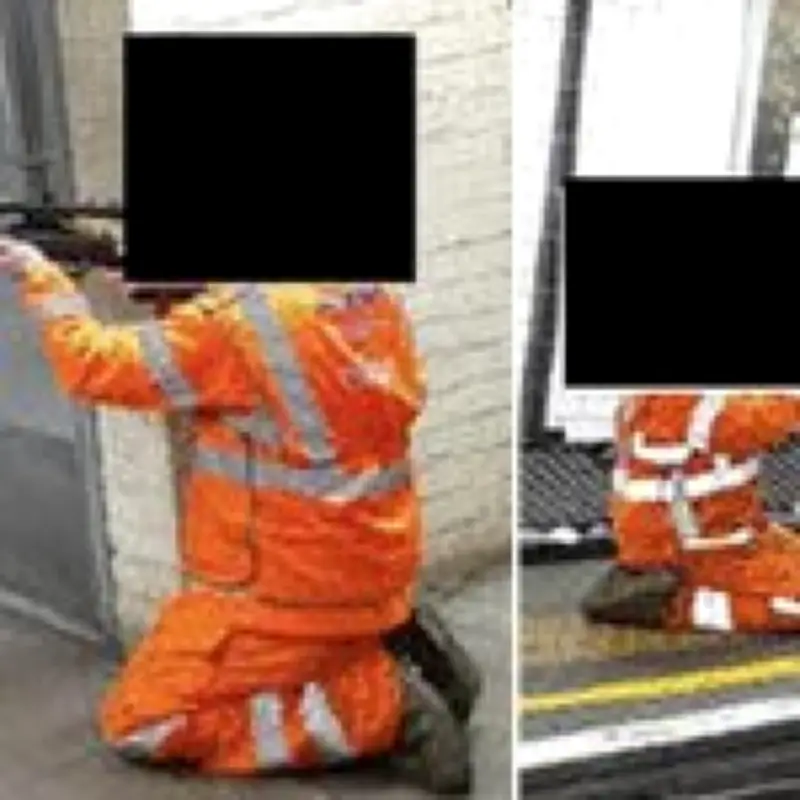
Transport for London (TfL) has confirmed that at least 655 pigeons were shot and killed across London Underground stations during organized culls between March 2024 and March 2026. The operations, which involved at least 123 separate shoots, were carried out to remove birds nesting on ledges and those trapped behind netting. Photographs obtained by campaigners show workers in hi-vis vests aiming air rifles at stations, with one image depicting a worker at Stanmore Station standing over a bleeding bird.
Details of the Culls and Their Impact
According to data collected by Manchester Pigeon Rehab through Freedom of Information (FoI) requests, the culls resulted in the deaths of at least 655 pigeons, the removal of 17 active nests, and the killing or removal of at least seven chicks. The campaign group has filed a crime report with British Transport Police, alleging that TfL failed to take reasonable steps to mitigate suffering or explore non-lethal alternatives. The report highlights cases where fledglings were left without parents or killed using so-called 'humane bird dispatchers,' which snap their necks under pressure.
Natural England recommends avoiding lethal control during the breeding season, yet the shoots proceeded regardless. Evidence from the FoI reports shows that some birds were shot but not killed instantly, with several escaping with serious injuries. For instance, at Arnos Grove in December, 20 shots were fired but only 16 pigeons were culled; TfL confirmed that four shots hit one bird without causing an immediate death. At the Ruislip Depot, a worker noted in an August report: 'One pigeon flew [out] the open doors [after] being shot, despite best efforts it couldn't be located to be able to remove.'
Campaigners Demand Non-Lethal Alternatives
Manchester Pigeon Rehab told Metro: 'Pigeons are intelligent and highly social animals. They are capable of forming long term bonds, share the responsibility of raising young, and can solve complex problems. Modern feral pigeons descended from birds that were once domesticated by humans where they carried our messages and fought in our wars.' The group added: 'We believe Transport for London should immediately end lethal control in favour of habitat modification, humane deterrents and other non-lethal management measures. In some circumstances this may also mean accepting that wildlife will continue to exist in shared urban spaces.'
The pest control services are contracted to AGS One, and the operations were conducted under a GL41 licence, which includes conditions requiring reasonable precautions to minimize suffering. Until the end of last year, the licence also mandated that non-lethal alternatives be explored first. Despite this, birds are often shot after becoming trapped behind netting instead of being released.
TfL Defends Actions as Last Resort
In response, TfL stated: 'Our approach is focused on prevention, and the avoidance of animal cruelty is taken very seriously. We continue to invest in preventative measures as our primary approach, exhausting all appropriate non-lethal methods, and have significantly increased our mitigations on stations and in depots as part of this work.' The transport body added: 'Unfortunately, in a few small number of cases, preventative measures are not always successful or effective, creating an unsafe environment. When this is the case, we work with our suppliers to ensure that the removal of pigeons, or their nests, is undertaken with consideration and only ever as a last resort when other deterrents have failed.'
TfL emphasized its duty of care to customers, staff, and contractors, noting that pigeon waste carries risks of bacteria and insects, while nesting and waste material create fire hazards and structural damage. Metro has contacted British Transport Police and AGS One for comment.