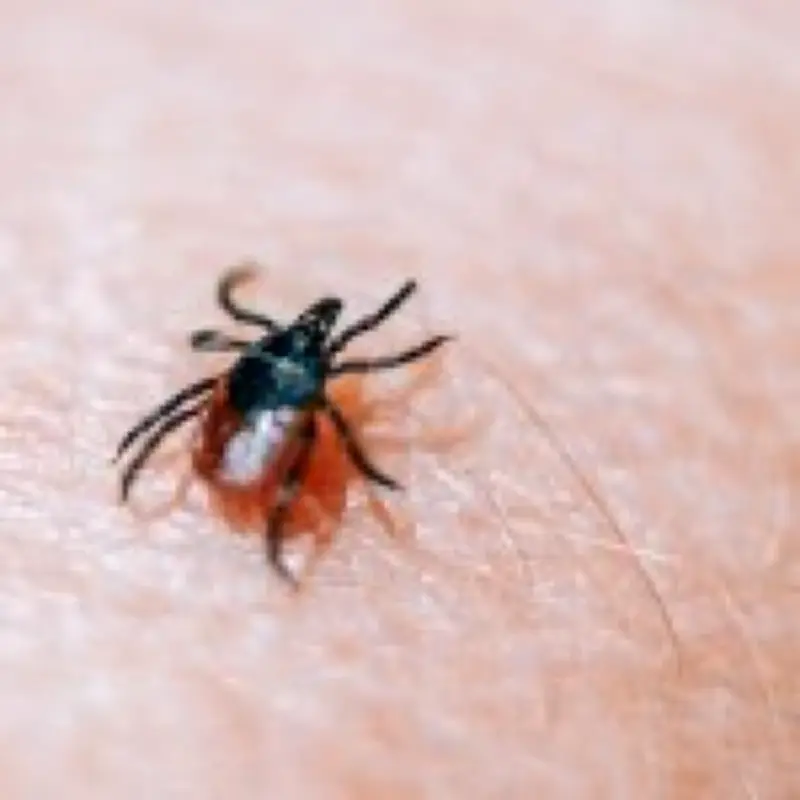
Cases of a potentially life-threatening allergy to meat triggered by tick bites are on the rise, experts have warned. Alpha-gal syndrome was first linked to the saliva of ticks 15 years ago, but today people are reporting sudden symptoms after eating meat or sometimes dairy products, having not realised they were bitten.
The disease is an immune response to a sugar type known as alpha-gal, found in meat from most mammals. The allergy doesn’t impact consumption of seafood or poultry. Chicken, turkey and eggs are all OK to eat. While the allergy can take weeks or months to develop, symptoms can occur within hours of consuming meat or cheese.
Experts believe the increased prevalence is partly down to better awareness and understanding of the syndrome. Most commonly associated with lone star ticks, which are native to the Americas but not the UK, scientists now believe other types of tick can spread the allergy. These include the black-legged tick, known as the sheep tick or castor bean tick in the UK, which is a primary spreader of Lyme disease.

Some 450,000 Americans are thought to have developed alpha-gal syndrome according to a study by the Centers for Disease Control and Prevention. In the UK, the allergic response remains very rare.
Dr Scott Commins, a researcher at the University of North Carolina, explained that alpha-gal, if consumed orally, would be perfectly safe. He said: ‘If this all happened orally, and we were eating alpha-gal like we do with steaks or barbecue, then we wouldn’t become allergic.’
The disease may not in fact be permanent for all either. Dr Commins said around 15 to 20 per cent of his patients find their symptoms actually fade away after several years. Treatments are also being developed to keep the allergy at bay, with some already available, including an injectable drug known as Xolair. The drug, originally developed to help asthma sufferers, can help reduce severe alpha-gal allergic reactions following exposure to meat. However the main advice to patients is to avoid eating red meat, such as lamb, beef or pork.
Dr Commins added: ‘There are certain (biologic drugs) out there nowadays that interfere with the allergic signaling. We think that if you were on one of those — or if you got one quickly enough after a tick bite — perhaps it could interfere with the entire allergic response process.’
Some people get allergic triggers simply from the smell of meat being cooked and can even develop the reaction from eating other products that use the sugar molecule including cosmetics, cleaning products and toiletries.
UK Cases and Patient Stories
While the disease remains uncommon in the UK, with no NHS page on the tick-borne allergy, more than 3,000 signed a petition to the Government in 2023 to improve its diagnosis and available treatments.
Christopher Goldman, a 28-year-old from Woking, Surrey, suffers from the allergy as well as Mast Cell Activation Syndrome (MCAS) after being bitten by a tick in 2023. His sister Lydia explained that he discovered he had the disease after experiencing a variety of symptoms including difficulty breathing, a racing heartbeat and burning skin. She added he was surviving on a diet of plant-based foods and having limited contact with the outside world.
For more stories like this, check our news page.