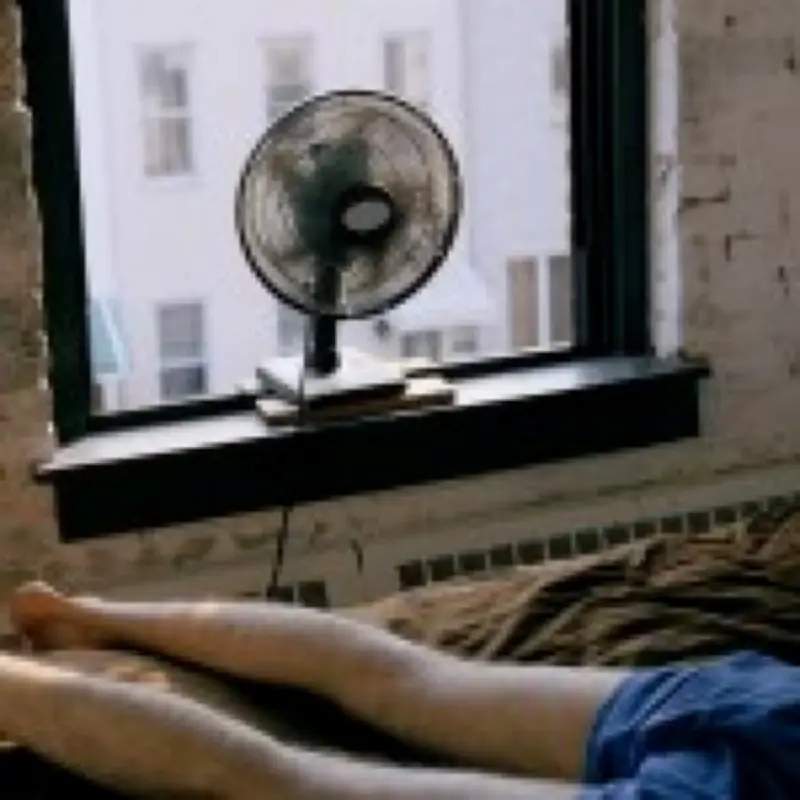
As temperatures hit 35°C in parts of the UK, many people without air conditioning rely on fans to sleep. However, experts warn that sleeping with a fan on all night can have several negative health effects.
Allergies and asthma aggravated
Dr Hana Patel, NHS GP and resident sleep expert at Time4Sleep, explains that fans circulate allergens like dust, pollen, and spores around the room. This can worsen symptoms for those with allergies or hayfever, leading to a sore throat, itching, or sneezing upon waking. Asthma sufferers may also experience flare-ups. Dr Patel advises that for some, especially children, the fan may cause more harm than good.
Congestion and dry airways
Sleep therapist Natalie Pennicotte-Collier from MattressNextDay notes that a fan running all night dries the mucosal membranes in the nose, throat, and upper airways. The body responds by producing more mucus, leading to congestion. This can mimic cold symptoms and disrupt sleep.

Muscle pain and stiffness
Consistent cold air from a fan can cause muscles to tighten during sleep, resulting in aches and cramps upon waking. Dr Patel warns that pre-existing muscle issues may also be exacerbated.
Dry eyes, mouth, and skin
Dr Patel compares the effect of a fan to a long-haul flight, recommending moisturising before and after bed. Tina Patel, contact lens optician at Feel Good Contacts, adds that eyes can feel dry, gritty, or irritated, especially if the fan blows directly at the face. Contact lens wearers may benefit from eye drops and switching to glasses in the evening.
Impact on sleep quality
Natalie Pennicotte-Collier reports that many clients who attribute early morning waking to stress or anxiety are actually experiencing airway dryness from fan exposure.
How to reduce negative effects
Experts suggest several strategies: place the fan in the hallway with bedroom doors open to circulate air without direct exposure; use the fan to cool the room before sleep or set a timer for one hour; point the fan toward the ceiling or wall; wipe fan blades regularly to reduce dust; vacuum and dust the bedroom frequently; stay hydrated throughout the day and keep water by the bed; and consider alternative cooling methods like temperature-regulating mattress toppers and breathable sheets.