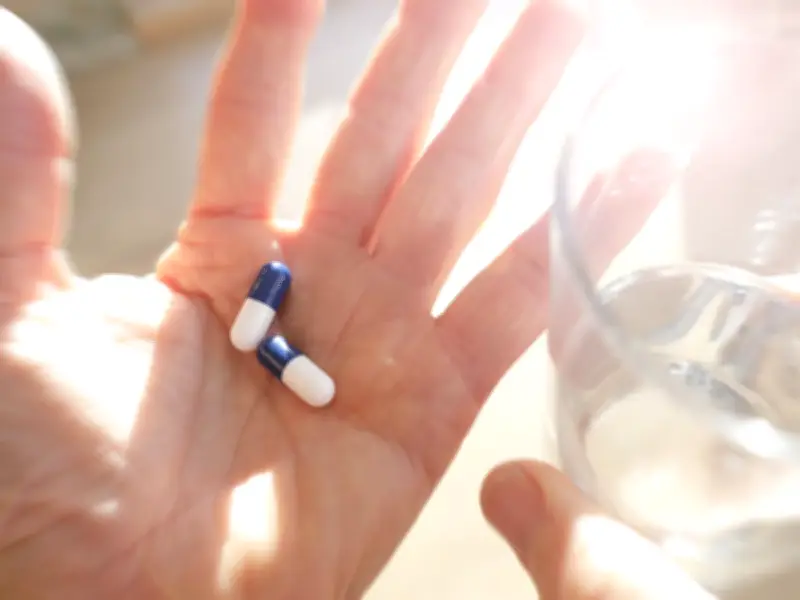
A pharmacist has issued a warning to millions of people who may reach for paracetamol to treat a hangover on Monday morning, explaining that combining the painkiller with alcohol can pose serious risks to liver health.
Why Paracetamol and Alcohol Don't Mix
Ian Budd, Prescribing Pharmacist at Chemist4U, cautioned that both alcohol and paracetamol are processed by the liver, and taking them together increases the risk of liver damage. He advised that if pain relief is necessary, ibuprofen taken the next morning with plenty of food and water is a better option. However, he stressed that individuals should always consult their pharmacist to determine which painkillers are suitable for them.
The Best Hangover Cure: Water and Rest
Budd emphasised that the most effective way to recover from a hangover is rehydration and rest. Alcohol is a diuretic, causing the body to lose fluids and electrolytes. He recommended drinking water, sports drinks, or oral rehydration salts to replenish what has been lost.
Common Remedies That Don't Work
Budd debunked several popular hangover remedies. Eating food after drinking does not accelerate alcohol elimination; the liver still needs about one hour to break down each unit of alcohol. A fry-up may provide temporary relief due to salt and carbohydrates, but greasy food can irritate the stomach and worsen nausea. Caffeine, found in coffee, can make a person feel more alert but does not speed up alcohol processing and can exacerbate dehydration due to its diuretic effect. Similarly, a cold shower may increase alertness but does not lower blood alcohol levels or hasten sobriety.
Alcohol Interactions with Other Medications
Beyond painkillers, Budd warned that alcohol can interact with many prescription and over-the-counter drugs, potentially reducing their effectiveness or increasing dangers. Mixing alcohol with sedatives, antidepressants, or strong painkillers can worsen drowsiness and coordination problems. Drinking while on antibiotics may cause nausea, flushing, and vomiting. Even everyday medications like antihistamines and cold remedies can amplify alcohol's sedative effects. For those taking statins, heavy drinking can increase the risk of liver damage and muscle-related side effects, as both alcohol and statins are processed by the liver. Budd advised always checking the patient information leaflet or consulting a pharmacist before consuming alcohol while on medication, as even small amounts can have varying effects depending on the medicine.