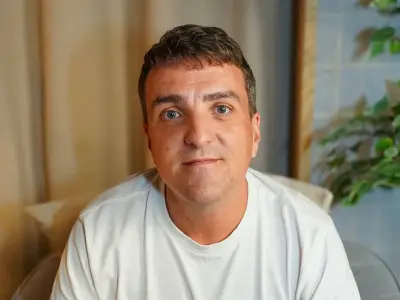
As the UK prepares to ban under-16s from social media platforms like TikTok, Instagram, and Snapchat in spring 2027, addiction experts warn that many children are already exhibiting signs of dependency. Nick Dunkley, 47, operations manager at UK Addiction Treatment (UKAT), the UK's largest private addiction treatment provider, reports a rising number of under-18s seeking help for social media addiction.
What defines social media addiction?
According to UKAT, social media addiction is characterized by an overwhelming urge to engage repeatedly, even when it causes harm. Unlike simple cravings, addiction can impair daily functioning. Dunkley explains that short, sharp videos deliver instant dopamine, leaving users scrolling without absorbing content.
Signs your child may be addicted
Dunkley advises parents to try taking away a child's phone to observe acute symptoms. Key signs include lack of eye contact, difficulty engaging in face-to-face conversations, physical agitation, and eyes darting toward where the phone is kept. These behaviors may be dismissed as typical teenage conduct but become pronounced in addiction.
Other indicators include sleep deprivation from doom-scrolling, persistent headaches, worsening eyesight, and decreased attention span and IQ, according to the expert. In severe cases, children at UKAT's rehab facility sneak in second phones or refuse to surrender devices, and many avoid attending treatment altogether.
Preparing for the ban
When the under-16 ban takes effect, Dunkley expects withdrawal symptoms such as mood changes, agitation, and argumentativeness. He urges parents and schools to support young people through this transition. 'I'm hopeful,' he says. 'Give it six months or a year, and it won't be this massive impact on the youth – they'll bounce back. We're not depriving them now – we already did, now we're trying to give them their childhood back.'
He identifies parents bending the rules as the biggest threat to the ban's success. However, he encourages parents to use the ban as empowerment: 'We know the harm social media does for children – now this ban enables parents and schools to say no without the peer pressure. I know what I'd rather my child be doing rather than living in a world that doesn't exist, and aspiring to things they can never reach.'