When our son was 11, I tried to bring order to his wardrobe. I labeled every drawer and shelf, placed his clean clothes on his bed each day, and asked him to put each item away. Over time, his underwear drawer emptied. His pajamas vanished. School shirts were nowhere to be found. Then, under an old blanket in the back corner of his wardrobe, I discovered a massive pile of clothes—clean and dirty mixed, folded T-shirts with creased shirts, a random wig from dress-up, an old taekwondo uniform. His pre-teen brain had decided the best way to ensure order was to hide the mess, ignoring long-term consequences.
Government cuts mirror a child's evasion
Reading about the government's plan to cut the National Disability Insurance Scheme (NDIS) through its "Securing the NDIS for future generations" bill, I was reminded of that wardrobe mess. The difference is that policymakers should understand the long-term effects of their actions. Hiding problems doesn't make them disappear. Their prefrontal cortexes—responsible for planning and risk assessment—should be fully developed.
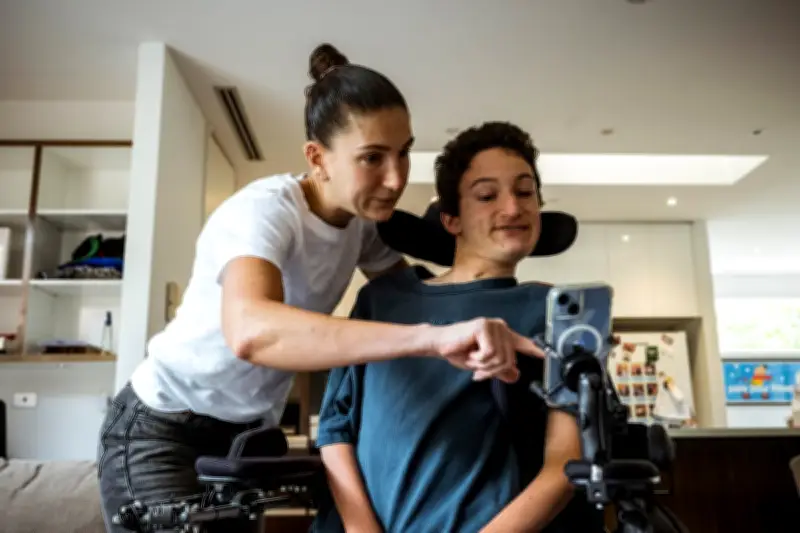
My son is now 15. At 12, he was diagnosed with cancer, which triggered a rare neurological condition, leaving him quadriplegic. He can no longer put away his clothes—which he says is the only perk of his diagnosis. We are new to the NDIS. Despite headlines suggesting it's overflowing with people seeking free rides, it took multiple applications, rejections, reviews, and immense stress for our quadriplegic child to access the scheme. The threshold is high.
Proposed changes raise the bar
The proposed bill would make access even harder, introducing new functional capacity criteria and a new definition of permanence, removing 240,000 people over four years and diverting 110,000 others by 2031. This doesn't make these people less disabled; it's a legislative way for the scheme to shift responsibility. The bill also legislates that parents must provide substantial care, meaning support can be denied if authorities decide a parent should provide it—regardless of age, living situation, sleep, work, financial strain, or the parent's own disability.
As parents, my husband and I would do anything for our child. I can decannulate a tracheostomy with my eyes closed. My husband lifts our son like a superhero, even after his own back surgery. We've sacrificed career goals, financial security, social lives, travel, and sleep. But we do this by choice, not legislation. Our care should be valued, not mandated.
Fraud isn't the issue
The bill implies disabled people and their parents are to blame for cost blow-outs, and that increasing pressure on caregivers and reducing access is the solution. But if fraud and waste are the problems, these measures don't address them. The bill does nothing to reduce fraud. And for waste, look at the NDIA's own behavior.
Last week, we won a tribunal decision overturning the NDIA's rejection of our application for a wheelchair for our quadriplegic son. Despite thousands spent on reports justifying a wheelchair, the NDIA rejected it, conducted an internal review without telling us, forcing us to the tribunal. The NDIA was represented by a senior solicitor at a major law firm, while we self-represented. The process took over a year.
Public hearings into the proposed changes allowed only 11 days for submissions and three days for hearings. A cynic might say the government wanted to push the bill through without consultation. Hannah Diviney, an advocate, testified that the consequences would be dire and near impossible to undo. The NDIA can care about disabled people, the cost, or both. But it cannot do neither.
Minister Jenny McAllister says the government has "thought really carefully about these reforms." With respect, that's deeply embarrassing. When our son's life changed overnight, he never felt sorry for himself. He always looks for what's possible. I wish the government had an ounce of his drive, determination, or imagination.