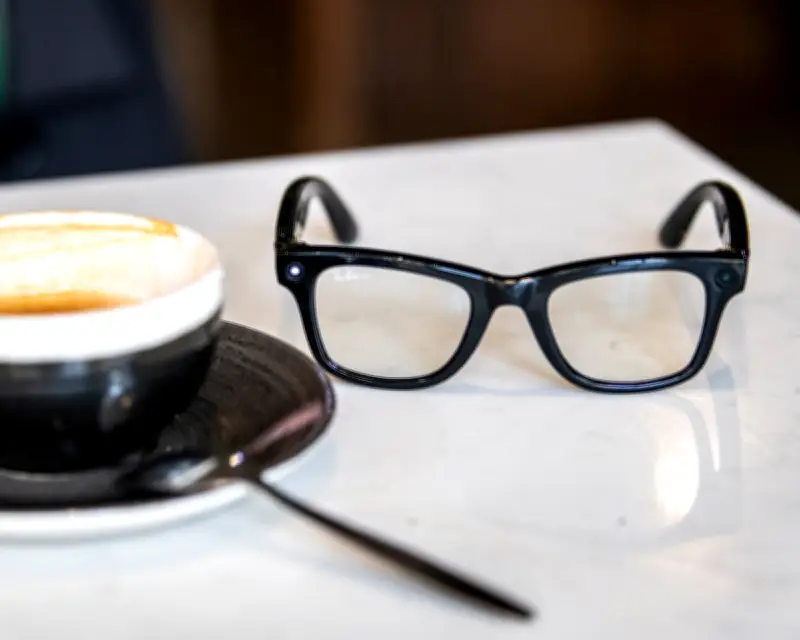
Meta's smartglasses make it possible for any child to be covertly filmed, and in the age of AI, addressing that risk is a pressing challenge, according to Guardian columnist Gaby Hinsliff. The company argues that individuals must ensure they do not 'actively exploit' the technology, but Hinsliff contends that this approach fails to keep children safe.
A personal encounter highlights the threat
Hinsliff recalls an incident on a train where a man covertly photographed a toddler repeatedly using his phone. This experience came to mind after hearing Meta's VP of wearables, Alex Himel, describe using his smartglasses to film his daughter in a talent contest. Himel praised the glasses for allowing him to 'live in the moment, head up and hands free.' However, Hinsliff questions the potential for misuse, noting that a small flashing light on the glasses may go unnoticed. Stolen images of children can fuel AI-generated child abuse material, as warned by the Internet Watch Foundation.
Lessons from past smartglasses failures
Google's first smartglasses in 2013 failed due to their nerdy appearance and creepiness factor. Meta's newer versions, in collaboration with Ray-Ban and Kylie Jenner, are marketed as cool and aimed at parents with the slogan 'never miss a moment.' Despite their appeal, many nurseries and schools have banned them due to safeguarding concerns. However, the technology is life-changing for blind people, aiding navigation and text-to-audio translation.

Regulatory and industry solutions
Meta has argued that individuals should avoid 'actively exploiting' the glasses, but Hinsliff questions whether the company has learned from social media's pitfalls. Potential solutions include new privacy legislation requiring clearer recording indicators, such as an audible beep, or holding manufacturers liable for malicious use. A more radical approach would be a pre-market regulatory regime for novel technology, similar to pharmaceutical or food safety approvals. Hinsliff concludes that the best option is for the tech industry to anticipate and design out potential harms, rather than relying on user responsibility.