Around one million individuals considered to be at the highest risk of contracting meningitis B are set to be offered a vaccine, health officials have announced.
What is meningitis?
Meningitis is an infection of the protective membranes surrounding the brain and spinal cord. It is typically triggered by either a bacterial or viral infection. Bacterial meningitis is less common but considerably more serious than its viral counterpart.
While it can affect anybody, it is most prevalent among babies, young children, teenagers and young adults. If not treated promptly, meningitis can be extremely dangerous, potentially leading to life-threatening sepsis and lasting damage to the brain or nervous system.

Symptoms to watch for
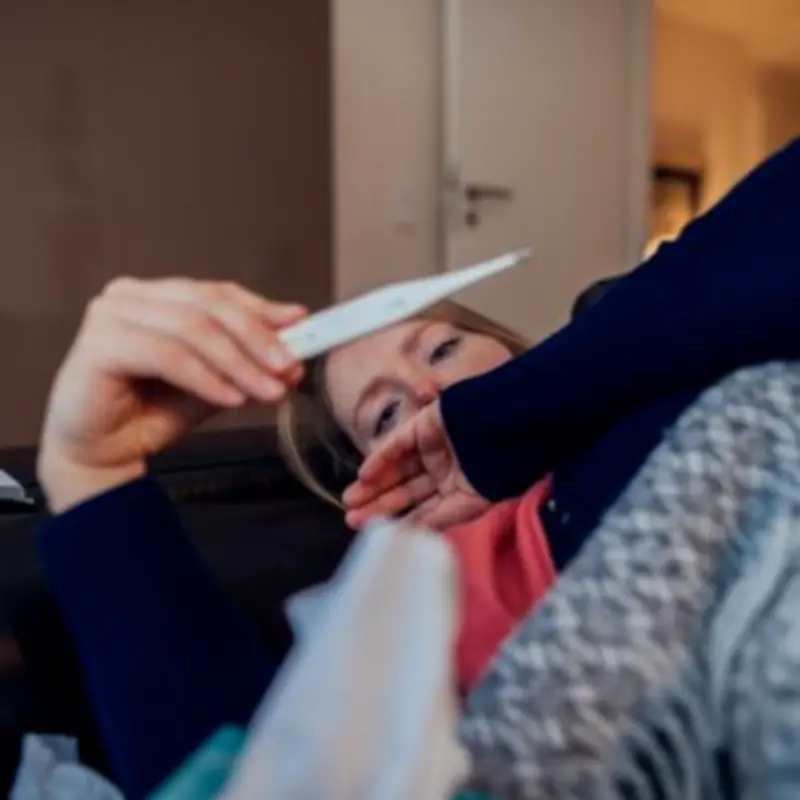
Symptoms of meningitis and sepsis can include a high temperature, cold hands and feet, vomiting, confusion, muscle and joint pain, pale, mottled or blotchy skin, spots or a rash, a headache, a stiff neck, aversion to bright lights, being very sleepy and seizures. Symptoms can appear in any order, but some may not appear at all.
Outbreaks prompt vaccination campaign
There are multiple strains of meningococcal bacteria – MenA, MenB, MenC, MenW, MenX, MenY. MenB is a serious bacterial infection caused by Neisseria meningitis group B.
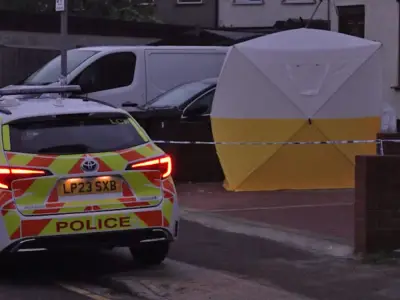
A vaccination campaign was launched specifically to protect babies against MenB back in 2015. However, the latest vaccination programme comes in response to a significant outbreak of MenB linked to a nightclub in Canterbury, Kent. Two further clusters of cases were subsequently identified in the Weymouth area of Dorset and in Reading.
Health officials have confirmed that, in response to these cases, measures are being taken to protect those who are at highest risk immediately. All of the outbreaks were caused by different strains of MenB, according to experts at the UK Health Security Agency (UKHSA).
Who is at highest risk?
Health officials have stated that the peak age of risk is 18. Dr Shamez Ladhani, consultant epidemiologist at UKHSA, said: '18 is exactly when their risk goes up, and there's multiple reasons for that. One is social behaviours – they're allowed to go into pubs, clubs, drinking, smoking, intimacy. And then when they go to university, you get all these students from across the country, all meeting in different parts of the country, and then they're being exposed to new people, and therefore the risk of being exposed to the bug goes up.'
He added: 'So it is 18 specifically that is a very high risk, and then that risk goes up if you go to university and other higher educational settings. This programme is specifically designed to protect those who are most at risk immediately, but the idea is that it's now given us time to have a look at the programme and to try and understand who continues to be at risk and how best we protect them in coming years.'
Who is eligible for the new vaccination programme?
- Young people born between 1 September 2007 and 31 August 2008 who are completing Year 13 in summer 2026 are eligible.
- Those under 25 who are starting university for the first time this autumn are also eligible.
Approximately one million people are expected to qualify, according to the UKHSA.
Who will not be getting the vaccine?
The Department of Health and Social Care confirmed that several groups will not be eligible, including:
- Students entering their second, third or later year of university.
- Postgraduate students embarking on a masters or PhD.
- People aged 25 or over who are starting university.
- Those who previously began university and are returning following a break.
- People who completed Year 13 before summer 2026 and are not entering university or residential further education for the first time this autumn.
Where and when to get the vaccine
Young people will be offered their first dose from July 20, with a second dose administered in August. Two doses, at least four weeks apart, are required for full protection.

Pupils in Year 13 will be contacted via the NHS app, text or letter to come forward for the jab, while others under 25 will book their appointment directly through pharmacies. The vaccination programme will use the GSK Bexsero vaccine, which provides six to seven years of protection against MenB, health officials confirmed.