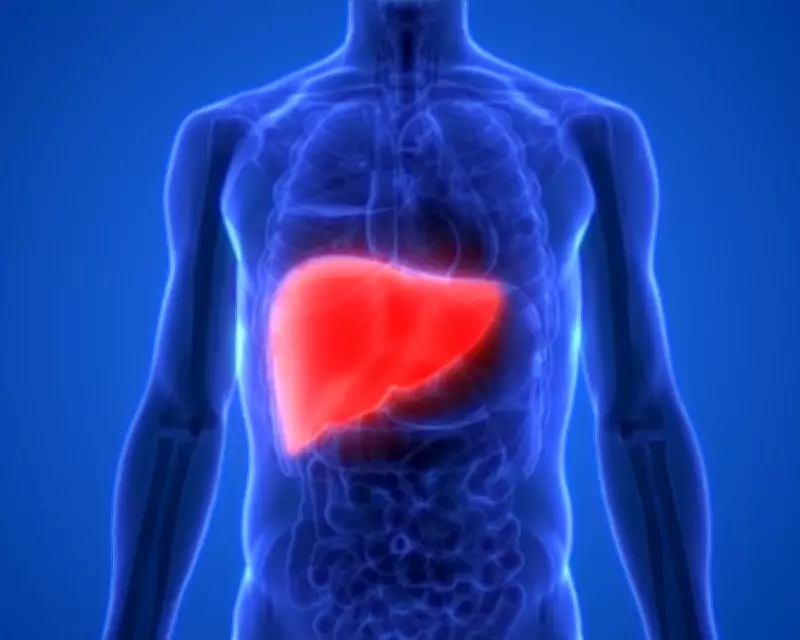
A commission of experts from the European Association for the Study of the Liver and The Lancet medical journal has called for significantly higher taxes on alcohol and unhealthy food to combat the 284,000 deaths from liver disease occurring annually in Europe. The report, published in The Lancet on Wednesday, urges governments to raise taxes enough to cover the substantial costs these products impose on healthcare systems, criminal justice systems, and social services.
Key Recommendations
The experts recommend that all alcoholic products carry health warnings and that online advertisements for alcoholic drinks and junk food targeting individuals under 18 be prohibited. They emphasize the need for bold action to address what they describe as "an escalating and unsustainable burden of liver disease." The commission calls on the European Union and the World Health Organization to encourage national governments to implement these measures.
Learning from Anti-Smoking Campaigns
The experts suggest that governments should learn from successful anti-smoking campaigns over recent decades. They urge urgent action on what the WHO terms "commercial determinants of health," which include products from tobacco, alcohol, ultra-processed food, and fossil fuel industries that contribute to 2.7 million deaths annually in Europe.

Current Liver Disease Statistics
According to the commission, 215,000 people die each year in Europe from liver cirrhosis, which is closely linked to alcohol consumption, and an additional 69,400 die from liver cancer. Together, these conditions cause 780 deaths per day, accounting for about 3% of all deaths in Europe. The four main causes of liver-related death identified are alcohol, unhealthy diets, obesity, and viral hepatitis. Eliminating behavioral risk factors such as excessive drinking and poor diet could halve the prevalence of liver disease and reduce cases of heart disease, diabetes, and cancer.
Potential Impact of Tax Increases
If implemented, the proposed tax increases would significantly raise the cost of beer, wine, and spirits. The Institute of Alcohol Studies has previously urged the UK chancellor to raise alcohol duties to reflect the economic cost of alcohol harm. Jem Roberts, head of external affairs at the institute, calculated that to achieve this, duty on beer should rise by 68%, cider by 227%, spirits by 68%, and wine by 34%. These increases, if fully passed to consumers, would raise the price of a 15-pack of 4.6% ABV beer from £14.59 to £19.51, an 18-pack of 4.5% ABV cider from £13.99 to £22.54, and a bottle of 12.5% ABV wine from £8.75 to £9.82. Roberts noted that such prices would align England with Scotland, which introduced minimum unit pricing for alcohol in 2018.
Industry and Advocacy Responses
Pamela Healy, chief executive of the British Liver Trust, supported the call for higher taxation, stating, "We urgently need policies that reflect the true harm caused by our unhealthy food and alcohol environment. This is not about creating a nanny state; it is about creating a level playing field." Conversely, Matt Lambert, chief executive of the Portman Group, which represents the alcohol industry, argued that the best approach is to promote moderate and responsible drinking and target interventions for heavy drinkers, rather than penalizing the majority. He cautioned against "kneejerk demonisation of an entire industry" and highlighted voluntary industry efforts on responsible marketing and labeling.