High-THC cannabis products widely prescribed despite limited evidence
Australian doctors are regularly prescribing medicinal cannabis products with THC concentrations up to 88%, far exceeding the levels tested in clinical trials, according to a review by Monash University researchers. The findings, published in Drug and Alcohol Review, reveal a significant mismatch between the products being prescribed and the scientific evidence supporting their safety and efficacy.
Only two products evaluated by TGA
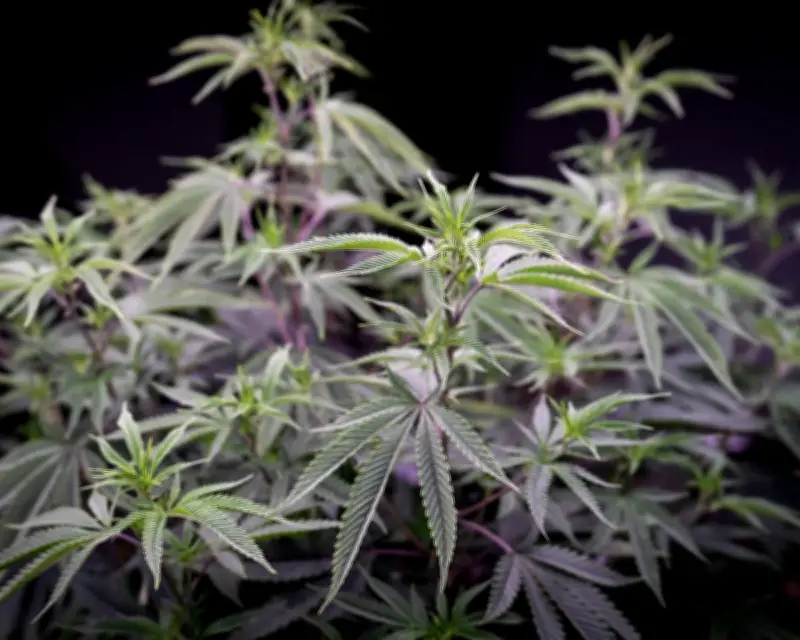
Of more than 1,000 medicinal cannabis products available in Australia, only two have undergone pre-market evaluation by the Therapeutic Goods Administration (TGA) for quality, safety and efficacy. There is no upper limit for THC concentration in medicinal cannabis, with category 5 products—including dried herb and concentrated extracts—ranging from 13% to 88% THC. Clinical trials have only tested products containing up to 22% THC.
Co-author Professor Suzanne Nielsen from the Monash Addiction Research Centre said: “When we looked at the randomised control trial evidence, which is the strongest evidence that we have to see if a product works for a particular condition, we saw there is a real mismatch between the evidence we have to draw on and the products being prescribed and used.”

Chronic pain and anxiety drive prescriptions
According to TGA data, chronic pain and anxiety account for the majority of medicinal cannabis prescriptions, with category 5 products making up half of all approvals. However, research indicates that medicinal cannabis is no more effective than placebo for reducing anxiety symptoms, according to Dr Jack Wilson from the University of Sydney’s Matilda Centre for Research in Mental Health and Substance Use. A 2018 review also concluded that evidence for cannabis in chronic pain is of low quality.
Nielsen noted that prescribed medicinal cannabis has shifted from oral oils to high-THC smoked or vaporised dried flower, which “doesn’t really match where the evidence is for what works”. She added: “There’s very limited evidence in general for medicinal cannabis, but particularly for these high-concentration THC products and inhaled forms.”
Safety concerns and adverse events
A TGA spokesperson reported 27 voluntary adverse event cases involving medicinal cannabis in 2026 so far, though a report does not confirm causation. An analysis of 614 adverse event reports between mid-2022 and mid-2025 found that half were related to category 5 products, including psychosis, cannabis hyperemesis syndrome, and suicidal behaviour.
Dr Wilson expressed concern that high-THC products may delay or replace evidence-based treatments. “The regular consumption of THC is also associated with a greater risk of short- and long-term harms, possibly making the patient’s condition even worse,” he said.
Regulatory and professional concerns
A 2025 review by the Australian Health Practitioner Regulation Agency (Ahpra) found that “profits are being prioritised over patient safety in some medicinal cannabis prescribing practices”. Some practitioners had issued more than 10,000 prescriptions for high-strength THC products in six months, with consultations lasting seconds.
Dr Michael Wright, president of the Royal Australian College of General Practitioners, supported Ahpra’s concerns: “Profits can’t be prioritised over patient safety. Online cannabis clinics operating as businesses create conflicts of interest, fragment care and put patients at risk.” He called for a review of product categories, noting an increase in psychosis presentations at hospitals.
“There’s no clinical need for THC concentrations to be this high,” Wright said. “For issues such as chronic pain and insomnia there are effective, evidence-based therapies already available.”