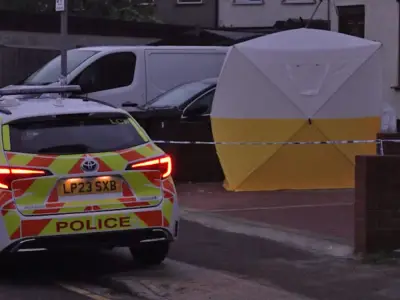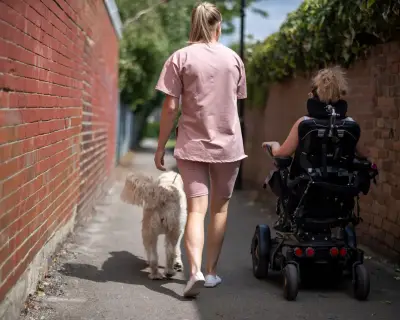
Guide Dogs has launched the first National Fireworks Archive training video, a desensitisation tool designed to help owners gradually introduce their dogs to the sounds of fireworks. The video uses real footage from streets, gardens, and public displays across the country, allowing pets to become accustomed to the unpredictable noises that often cause anxiety.
Why start in August?
Haley Andrews, a Guide Dogs expert, emphasised the importance of starting early. 'Fireworks night doesn't sound like a clean audio track – it's messy and unpredictable, which is why so many dogs struggle with them. Different fireworks create different sounds and effects, from high-pitched whistles and prolonged crackles to sudden bangs and flashes. Desensitisation can take some time, so August – not the end of October – is the time to start. By introducing the sounds gradually, at a level their dog can cope with, owners can give their pet the best possible chance of having a calmer Bonfire Night.'
Despite the prevalence of firework anxiety, research by the charity found that 35% of owners didn't know their pet could be desensitised, and 37% had never investigated training. Furthermore, 43% admitted doing nothing to prepare their pet beyond 'hoping for the best.'

Financial and emotional impact
The cost of fireworks season is significant, with the average owner spending £145.90 a year to help their pet cope. Nearly two-thirds of the nation's dogs – an estimated 9.9 million – are affected, leading to a collective bill of £1.4 billion. The toll on humans is also considerable: 89% experience weeks of disrupted plans, 45% avoid leaving their dog alone, and 12% lose sleep. Last year, 44% stayed home on Bonfire Night to comfort their pets.
How to use the training video
Guide Dogs recommends starting desensitisation training in August to give dogs the best chance before fireworks season begins. The process involves playing firework footage at the lowest possible volume, offering treats a couple of seconds after the sound starts, and gradually increasing volume only when the dog remains relaxed. Sessions should be short, lasting two to five minutes, once or twice a day.
Creating a safe environment
Owners are advised to set up a quiet, cosy den with blankets, toys, and familiar scents, hiding treats throughout the day to create positive associations. Training should be practised in different rooms and at different times, gradually recreating elements of Bonfire Night by dimming lights, closing curtains, and playing louder sounds.
Planning for the night itself
On the night, take the dog out for a final toilet break before dark, close curtains, turn on the TV or radio, prepare a food enrichment item, stay calm, and let the dog choose where to settle. Don't wait for signs of anxiety – many dogs develop firework anxiety later in life, so proactive training can prevent issues.
Guide Dogs plans to expand the training resource and has asked people to donate forgotten fireworks footage, including clips of Catherine wheels, screechers, rockets, and public displays, via press@guidedogs.org.uk.