Nearly 7% of the UK population has used or is using GLP-1 drugs like Mounjaro or Ozempic, and this is fundamentally changing how couples approach mealtimes. According to Dr. Leila Fathi, Research Fellow at the Centre for Food Policy at City St George’s University of London, typical side effects include nausea and reduced enjoyment of eating, which can reshape individuals' relationships with food, creating negative associations and prompting couples to prepare and eat meals separately.
The Rise of Separate Plates
Food allergies are also on the rise, with a 2024 Imperial College London study finding that new cases almost doubled in a decade. Meanwhile, time pressures are mounting: UK adults spend just 3 hours and 44 minutes daily on leisure activities, per 2023 ONS data. Dr. Fathi notes a shift toward ultra-processed, preprepared meals, as the food industry capitalizes on trends like high-protein products, reducing opportunities for couples to cook and eat together.
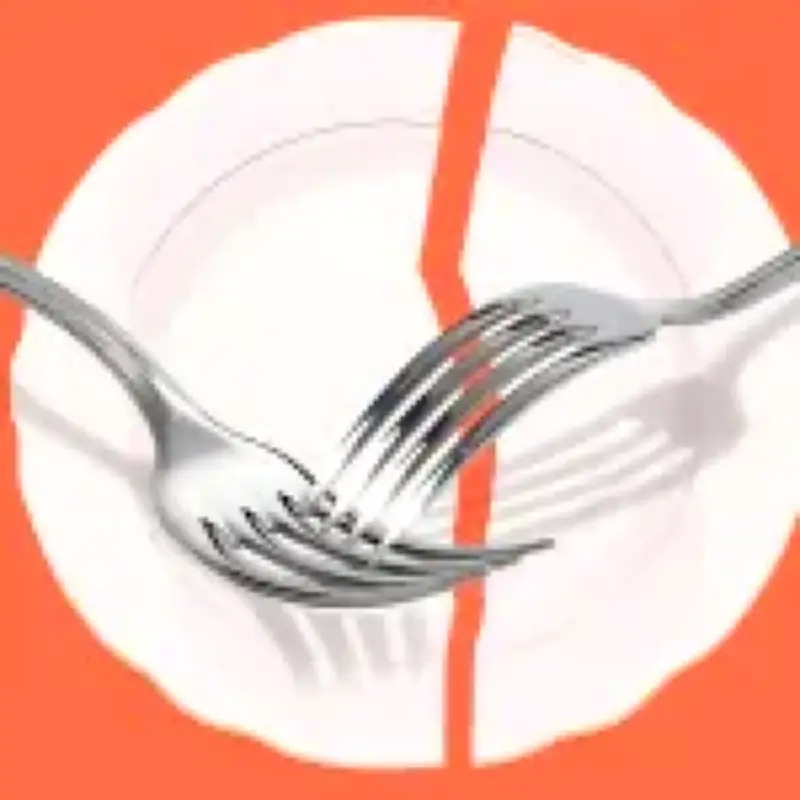
Enter the 'food divorce'—a term coined by Metro—where couples shop, cook, and eat separately. While relationship counsellors have long emphasized the importance of sharing meals, some couples find that separate eating reduces conflict and enhances their bond. Christina Fraser, a BACP accredited counsellor in London, warns that stopping eating together can signal emotional distance, but proponents argue it can be a practical solution to divergent dietary needs.
Real-Life Food Divorce Stories
Ellie Sturdy, 29, from Dorset, started a food divorce with her husband Mike after she began taking Mounjaro in September 2024. She lost interest in food, leading to frustration and bickering. They naturally gravitated toward eating separately, and even after stopping the drug, they've continued. Ellie says, “We don’t row, there’s no compromising, it’s just so much nicer.” She recommends it to everyone, noting that when they do eat together, it feels special.
Amy Carter, 42, from London, and her husband Matt have eaten separately for years due to shift work and busy social lives. They do individual food shops, have designated fridge items, and even ask permission to use each other's groceries. Amy says, “I think having time apart for couples is so important, and for us, that includes eating apart.” She credits this arrangement for their 10-year marriage feeling like a new relationship.
Impact on Relationships
While experts like Fraser caution against complete separation, these couples argue that quality time together doesn't have to revolve around meals. Ellie says, “We still have plenty of time to catch up throughout the day. If not eating together has such a detrimental impact on your marriage, I think there’s probably other issues going on.”
As GLP-1 use continues to rise and dietary preferences diverge, the food divorce trend may offer a practical path to harmony. Whether it's a permanent solution or a temporary adjustment, it's clear that for some, separate plates mean a happier partnership.