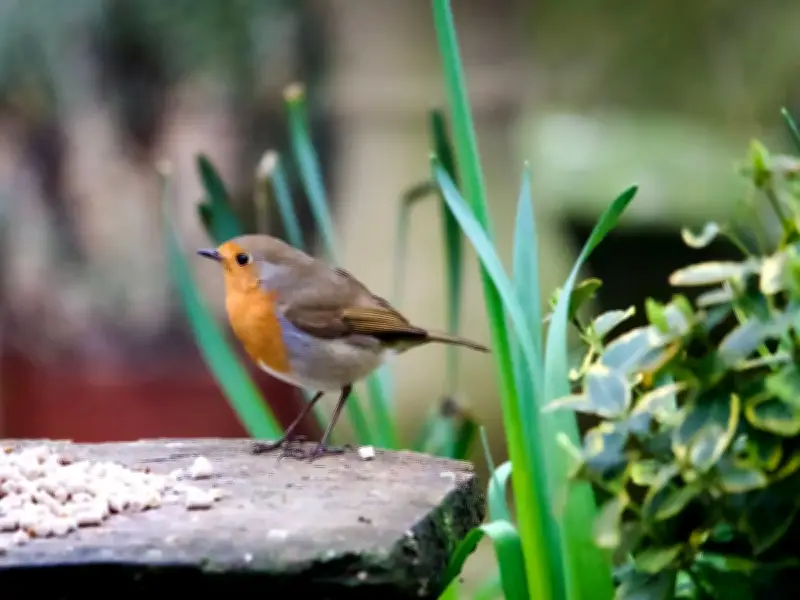
Autumn can be a surprisingly subdued time for garden birds, but offering robins their favourite autumn food can encourage them to keep visiting your garden all season. According to the RSPB, birds need high-energy, high-fat foods during cold weather, and mealworms are a particular favourite for robins.
Why robins disappear in autumn
As the warmth of summer fades into autumn and foliage shifts from lush green to vivid shades of red and orange, many wildlife enthusiasts across Britain notice an unusual quiet settling over their outdoor spaces. The morning birdsong fades to little more than a murmur, and it can feel as though our feathered friends have all but disappeared. So if you've found yourself wondering this autumn, "Where have all the birds gone?" rest assured you are far from alone.
You might presume they've headed off to warmer destinations. While some have indeed migrated, the absence is also attributable to a combination of natural and seasonal shifts that cause many familiar species to simply enter a quieter, less visible phase. The annual moult is one key factor: following the gruelling breeding season, adult birds are worn out, and their feathers become damaged and worn. To prepare for the challenges of autumn and winter, birds undergo a complete feather replacement, a process that is remarkably energy-intensive, making them more susceptible and less likely to spend time visible in exposed areas.
RSPB's seasonal feeding guidance
The RSPB advises that "birds need high-energy, high-fat foods during cold weather." However, the conservation charity has recently updated its bird-feeding guidance, urging people to "feed seasonally," reports Wales Online. It has recommended that people scale back feeding between May 1 and October 31, limiting provisions during those months to "small amounts of mealworms, fat balls or suet." The reasoning behind this is that during summer and autumn there is a heightened risk of disease spreading amongst bird populations that are already facing significant decline. Overcrowded bird feeders risk becoming "hotspots for disease," the RSPB warns.
From November 1 until the end of April, a full range of bird foods can once again be provided. High-energy and high-fat foods that birds relish include suet, peanuts, sunflower seeds, and mealworms. "Mealworms are a favourite for robins, they absolutely love them," says Sue Morgan, CEO of SongBird Survival. "But I reckon if you offered sunflower hearts and mealworms... robins would really enjoy those."
How to safely feed garden birds
There are several important factors to consider when feeding garden birds, particularly regarding hygiene and disease prevention. It is essential to follow the RSPB's guidance on feeding prior to the end of October and to ensure uneaten food never accumulates. Old feed should be regularly cleared away and signs of illness monitored closely. For those with a bird bath, keeping it thoroughly clean on a consistent basis is absolutely crucial. Last year, the RSPB halted sales of its flat bird tables amid concerns that they could potentially be contributing to the transmission of fatal diseases amongst finches.
To minimise risk of disease, clean your bird feeders and water baths at least once a week and avoid feeders with flat surfaces. Change water in bird baths every day. Additionally, help birds find their own food by filling your outdoor space with bird-friendly plants like sunflowers, teasels and ivy. These help provide natural food sources for birds. Resist the urge for a perfectly tidy garden: piles of leaves, seed heads, and undisturbed shrubs provide vital shelter and food sources.
Natural food abundance reduces feeder visits
The British Trust for Ornithology (BTO) explains that "wild food sources like berries, nuts, and fallen fruits are at their peak in autumn," meaning birds don't have to rely as heavily on supplementary feeding. During spring and summer, birds regularly visit feeding stations because natural food can be scarce, but autumn ushers in an abundance of berries, seeds, and insects. They disperse into hedgerows, wooded areas, and garden shrubbery, where they can forage for a diverse diet.
Juvenile birds born during spring are also becoming independent and starting to explore new territories, a process called "dispersal" that may lead to fewer recognisable faces at the bird table. Some warm-weather visitors, such as swallows and house martins, are already gearing up for their epic migration southwards. While their absence is often quite apparent, it is simply part of the wider changing of the seasons. Many year-round resident birds are merely settling into their routines and focusing on making it through the colder months.