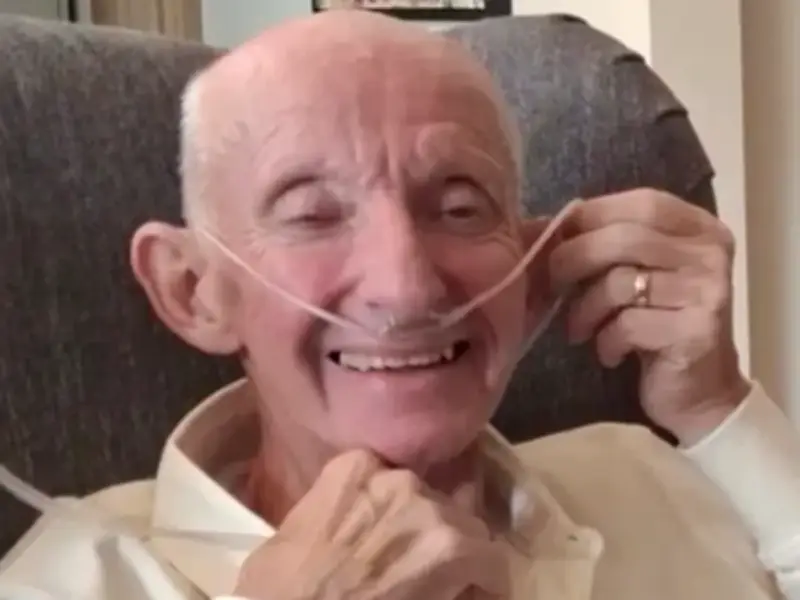
A former firefighter's daughter has revealed the devastating impact of a rare genetic condition that has left her once-active father reliant on an oxygen tank. Tony Bryant, 61, from Kingston, was diagnosed with Short Telomere Syndrome in 2023, a disease that causes his body's cells to age prematurely.
Condition Causes Rapid Cellular Aging
Short Telomere Syndrome is a rare genetic disease that causes chromosomes in cells to shorten much faster than they should. This prevents the body's cells from repairing themselves, leading to premature aging and damage to vital organs such as the lungs. The condition has severely impacted Tony's lungs and liver, leaving him with advanced pulmonary fibrosis and progressive liver disease.
Sophia, Tony's daughter, told MyLondon: "When he was diagnosed, they [doctors] actually used the phrasing the opposite version of Benjamin Button. My dad is ageing before his time. We didn't get much detail about the condition, but we were told the organs can't protect themselves as they would when they were younger."
From Active Lifestyle to 24/7 Oxygen
Tony, who was a firefighter for 30 years and previously enjoyed running and coaching rugby, now requires oxygen support around the clock. "He'll be 62 in October, but the disease makes him look much older than he is. He used to run, was a rugby coach and was a firefighter for 30 years. Now, standing up and sitting down, he can't do it without oxygen," Sophia explained.
Tony first sought medical advice in 2023 after feeling unwell. Doctors conducted tests on his lungs due to breathing difficulties and clubbed fingers, a common sign of pulmonary fibrosis. He was initially diagnosed with pulmonary fibrosis before doctors identified Short Telomere Syndrome as the underlying cause.
Family Seeks Treatment and Awareness
Short Telomere Syndrome is hereditary, meaning Sophia and her three siblings could also develop the condition. Doctors have confirmed that two of the children carry the mutation, though symptoms may vary. Sophia has launched a GoFundMe campaign to raise awareness and funds for essential care, including mobility aids, and to reduce financial stress so the family can spend quality time together.
"We are looking at medication and treatment, but we've been told that there's no more treatment they can give him on top of what he's already taken. It's very much watching the progression and hopefully finding a way to stop it progressing as quickly," Sophia said. The family hopes to explore Nerandomilast, a medication researched in America, and raise enough money to enroll Tony in a trial.
Sophia noted the rarity of the condition, stating, "I've looked online, and there are no charities that even deal with this disease directly [showing how rare it is]. I've taken it upon myself to keep saying the name and telling people about it." The lack of an NHS page dedicated to the syndrome highlights how little is known about it.