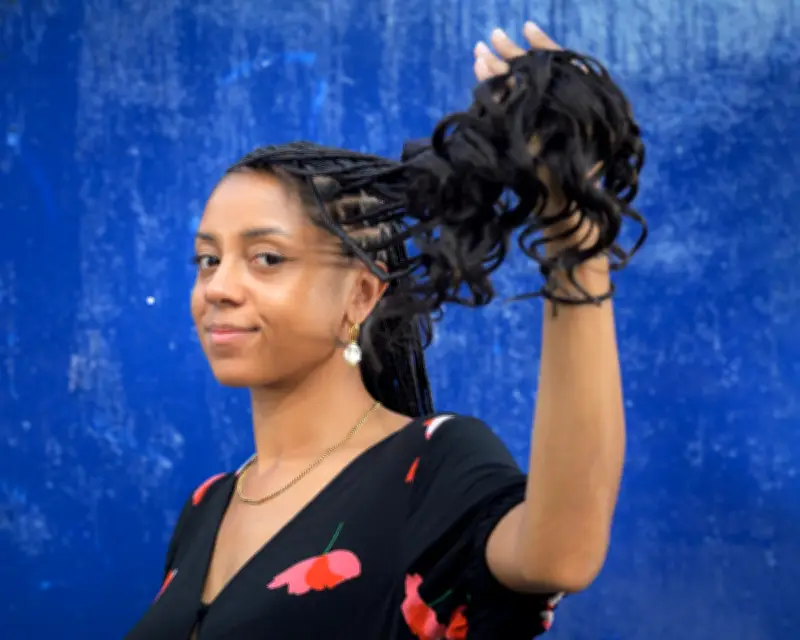
Braiding hair, once a budget-friendly and low-maintenance styling choice, has become increasingly expensive, with prices soaring by as much as 300% in recent years. What was once a simple, affordable service is now a luxury many can no longer afford, according to industry experts and consumers.
From $50 to $500: The Cost of Braids Skyrockets
In the past decade, the average cost of a braiding appointment has risen from around $50 to over $200, with intricate styles like box braids or cornrows now costing $300 to $500 or more in major cities. A 2023 survey by the Professional Beauty Association found that braiding services have seen one of the highest price increases among salon offerings, outpacing inflation.
“I remember paying $60 for a full head of box braids in 2015. Now the same style costs me $350,” said Atlanta-based client Maria Thompson. “It’s become a luxury I have to budget for.”

Demand Surge and Inflation Drive Costs
The price hike is attributed to several factors. The natural hair movement has boosted demand for protective styles like braids, while inflation has raised costs for rent, products, and labor. Additionally, the rise of social media has increased the profile of top braiders, who can charge premium rates for their artistry.
“The demand for braiders has exploded, but the supply of skilled professionals hasn’t kept up,” said Dr. Lisa Johnson, a beauty industry economist at New York University. “Combined with rising overheads, it’s a perfect storm for price increases.”
Salon Markups and Product Costs Add to the Burden
Salons have also raised prices to cover higher rents and product costs. High-quality synthetic hair extensions, essential for many braided styles, have increased in price due to supply chain disruptions. A pack of braiding hair that cost $5 in 2020 now sells for $10 to $15.
Braider Keisha Williams, owner of Natural Roots Salon in Brooklyn, explained: “My rent has doubled in five years. I have to charge more to keep my business open. But I also want my clients to feel they’re getting value.”
Impact on Communities and Alternatives
The rising cost disproportionately affects Black women, who are the primary consumers of braiding services. Many are turning to DIY tutorials or traveling to cheaper salons in suburban areas. Others are switching to less expensive styles like twists or wash-and-goes.
“It’s not just about hair; it’s about culture and identity,” said cultural commentator Nia Adams. “When a service that’s been a cornerstone of Black beauty becomes unaffordable, it feels like another barrier.”
The Future of Braiding
Despite the price surge, the braiding industry continues to grow. Some salons are introducing membership programs or tiered pricing to make services more accessible. Others are investing in training to increase the supply of braiders.
“We’re seeing a shift toward value-added services,” said salon consultant Mark Lee. “Braiders are offering scalp treatments or hair care education to justify the cost. The industry is adapting.”
For now, the days of cheap, quick braids may be over, but for many, the style remains worth the investment.