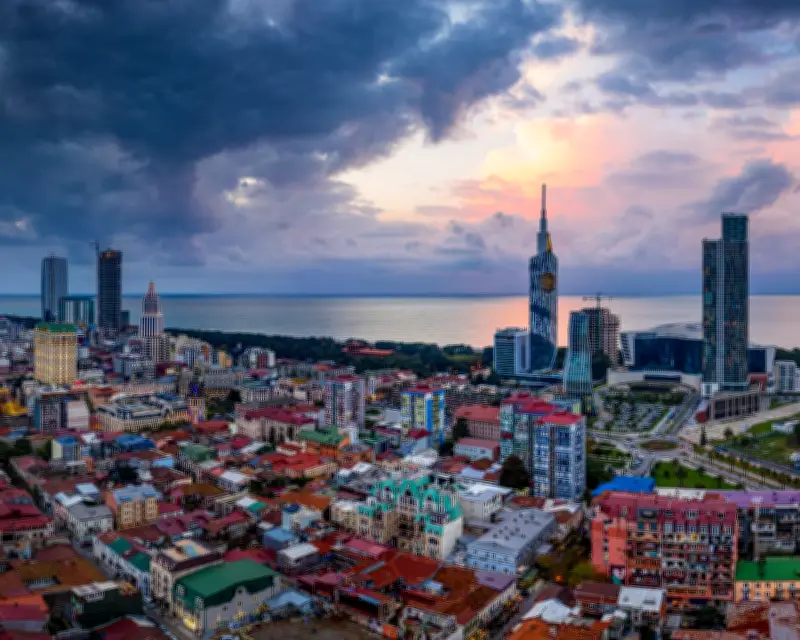
Families who booked through Booking.com have described being left out of pocket after encountering unsafe or substandard accommodation, with the platform offering minimal compensation despite repeated complaints. One family, the Ripleys, were forced to find and pay for alternative accommodation for four nights at an additional cost of £334 during a trip to Batumi, Georgia, after the property they booked was not as advertised.
Unsafe Conditions and Unmet Expectations
Jane Ripley, who had carefully selected an apartment with an "exceptional" rating, arrived at 11pm to find the host had directed them to a different, shabby property with stained furniture and ceiling. "The host was unfriendly … We had genuine concerns about raising complaints directly," she said. Despite the property being removed from the site, she was offered only £36 in credits against her £570 booking and replacement costs.
Another reader, Kate Worthing, booked a Parisian apartment for a weekend last summer, described as having an "elegant and refined" location. Instead, she found the building under refurbishment, with exposed electrical wires, non-functional automatic lights, and a melted electrical socket. "The main reason we left was because we didn't feel safe," she said, after being refused a refund of the £1,700 she paid. Booking.com offered £417 in travel credits, citing property policies.

Platform Terms and Legal Grey Areas
These stories highlight a significant gap in consumer protection. While package holidays are covered by the Package Travel and Linked Travel Arrangements Regulations 2018, Booking.com's terms state that the contract is directly between the guest and the host, with the platform not acting as a "contractual party." Airbnb and Vrbo have similar clauses, leaving travellers with limited recourse.
Consumer campaigner Martyn James noted that this legal grey area has not been extensively tested in courts, but he believes judges would look unfavourably on such practices. "I'd be willing to bet that the courts would take a dim view of the businesses operating in these grey areas," he said.
Refund Ordeals and Platform Responses
John Taylor was charged £1,177 for a hotel in Mongolia, £120 more than agreed, and despite free cancellation, he received no refund. After months of chasing, Booking.com acknowledged his entitlement but said the hotel had not engaged. The refund only arrived in mid-June, months after his initial complaint.
In response to these cases, Booking.com stated that accommodation partners are responsible for refunds, but added: "If there is an issue at check-in, customers should contact us as soon as possible. As well as relocations, we can also advocate on their behalf and raise issues directly with the accommodation provider, and work to reach a resolution."
Advice for Travellers
Martyn James advises travellers to use aggregator sites for comparison but book directly with the provider to avoid such pitfalls. "If you call the hotel, you might even get a discount," he said, warning against private apartments and bank transfers, which offer little protection if things go wrong.