Bet365 and NHS Trust Criticized Over Student's Gambling-Related Suicide
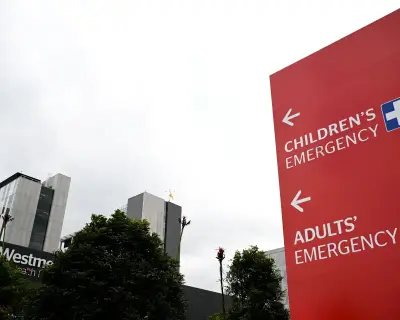
A coroner has strongly criticized both the gambling operator Bet365 and West London NHS Trust for failing to adequately protect a vulnerable 19-year-old university student who died by suicide after developing a severe gambling disorder. The inquest into the death of Arthur Soames concluded that multiple systemic failures contributed to the tragedy.
Missed Warning Signs and Inadequate Interventions
Arthur Soames opened his Bet365 account shortly after turning 18 in June 2020, initially placing small occasional bets on football matches. However, his gambling behavior escalated dramatically in December 2021 when he began playing online casino games including roulette and blackjack. Over the following two months, both the time and money he spent gambling increased substantially.
Despite Arthur frequently gambling in the early hours of the morning—a recognized indicator of gambling harm—Bet365 sent him over 80 marketing messages including free bet offers during this period. The only intervention from the gambling operator was a single automated warning email sent on February 4, 2022, which mentioned how long he was spending on their platform.

Expert testimony at the inquest stated that Bet365 should have identified multiple strong indicators of harm in Arthur's gambling behavior from December 2021 onward and taken more substantial steps to intervene. Professor David Forrest testified that the company failed to adequately intervene during the critical period from December 2021 to February 2022, and that further intervention should have occurred in May 2022.
Mental Health System Failures
As Arthur's gambling intensified in late 2021, his mental health deteriorated rapidly and significantly. His family became increasingly concerned but were unaware of his gambling habit, initially believing he was simply going through a difficult period. Arthur returned home from university in April 2022 so his family could support him in accessing mental health services.
Arthur attended sessions with a private psychologist and visited his GP with increasing suicidal thoughts, but his GP did not refer him for further specialized help. His family subsequently took him to West London NHS Trust's Crisis Team, who assumed responsibility for his mental health care.
The inquest heard that Arthur was assessed by both the Crisis Team and the Early Intervention in Psychosis Service, but critical information about his suicide risk was not properly communicated between these services. Furthermore, his risk assessment and management plan were inadequately updated to reflect his escalating risk of self-harm in the period leading up to his death on May 22, 2022.
Final Gambling Sessions and Coroner's Findings
In the days before his death, Arthur gambled intensely, spending hours on online casino games. On the day before he died, he lost over £150 in approximately five minutes during a gambling blitz that left both his Bet365 and bank accounts nearly empty.
HM Assistant Coroner Ian Arrow concluded that Arthur's gambling disorder contributed to his death by exacerbating the distress caused by anxiety and depression. The coroner found that Bet365 had not identified Arthur's problematic gambling behavior, and that mental health services had failed to recognize his increased risk of self-harm in the period prior to his death.
Consultant psychiatrist Dr. John Barker testified that Arthur had both a gambling disorder and depression, and that these conditions contributed to his death. Dr. Barker noted there was a missed opportunity by West London NHS Trust mental health services to properly refer Arthur for specialist gambling-related support when he disclosed shortly before his death that he was spending substantial time and money gambling.
Family's Heartbreaking Testimony and Calls for Reform
Arthur's mother, Isabelle Soames, described her son as "a ray of sunshine" who filled their world with "love, humour, warmth, charm, kindness, and his unforgettable smile for 19 precious years." She expressed devastation at learning that mental health professionals knew about Arthur's high suicide risk but failed to share this potentially life-saving information with his family.

"It is our firm belief that the serious harm caused by his gambling led to Arthur tragically ending his life," Ms. Soames stated. "We also believe that Bet365 failed to recognize the intensity of his gambling on online casino games and failed to take any meaningful action to intervene or regulate it."
The family is now calling on the Gambling Commission to introduce stronger protections, particularly for young people, including preventing gambling operators from offering free bets or cross-selling highly addictive casino products to this vulnerable demographic. They advocate for tailored risk detection systems focusing on frequency of bets, length of gambling sessions, and time of day when gambling occurs—with nighttime gambling recognized as a high-risk indicator.
Organizational Responses and Broader Context
A Bet365 spokesperson expressed condolences to Arthur's family and friends, stating: "This is an incredibly tragic and complex case... bet365 strives for the highest safer gambling standards and consistently reviews and updates its player protection and safer gambling procedures." The company indicated they would consider the inquest's findings.
West London NHS Trust also extended condolences and noted they have introduced measures to bolster gambling-related support, including training within mental health services to increase understanding of gambling-related harm and available treatment options.
The Gambling Commission investigated Bet365's handling of Arthur's account and identified compliance concerns, concluding that the company did not intervene prior to the February 2022 automated email despite multiple indicators of harm being present from December 2021 onward. However, the Commission completed its investigation in June 2025 without sharing findings with either Bet365 or Arthur's family.
This inquest represents the fifth since 2022 to record gambling's contribution to a death, reflecting growing concern among families and campaigners about the links between gambling and suicide, and the dangers posed by gambling products and operator practices.