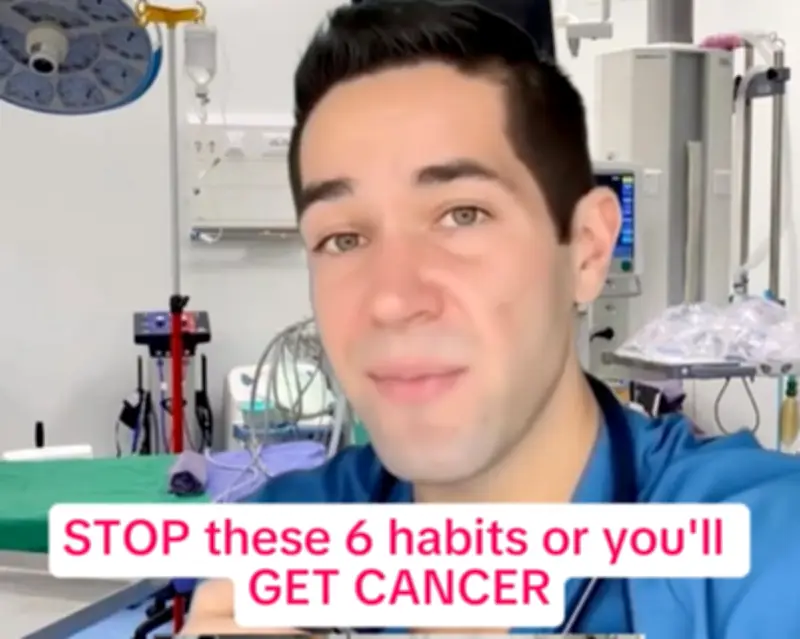
AI-generated videos featuring fake doctors are proliferating on TikTok, spreading misleading health advice that poses a serious threat to public safety, according to a new report. The phenomenon, which leverages deepfake technology to create realistic but entirely fabricated medical professionals, has raised urgent concerns among health authorities and tech watchdogs.
Scale of the problem
The report, published by the nonprofit Center for Countering Digital Hate (CCDH), found that over 200 AI-generated doctor accounts on TikTok have amassed more than 50 million views collectively. These accounts produce videos offering unverified medical advice on topics ranging from weight loss supplements to cancer treatments, often promoting products or services without disclosure.
“These deepfake doctors are indistinguishable from real physicians to the average viewer,” said Imran Ahmed, CEO of CCDH. “They are exploiting people’s trust in medical professionals to peddle dangerous misinformation.”

How the deception works
The AI-generated videos use generative adversarial networks (GANs) to create lifelike faces, voices, and mannerisms of doctors. Some accounts even fabricate credentials, such as fake medical licenses or affiliations with reputable hospitals. The content is often designed to appear authoritative, with white coats, stethoscopes, and clinical backdrops.
TikTok’s algorithm has amplified these videos, pushing them into users’ feeds based on engagement metrics. The CCDH report documented instances where such content received millions of likes and shares before being flagged or removed.
Public health impact
Health experts warn that the spread of false medical information can lead to serious consequences, including delayed treatment, adverse drug interactions, and abandonment of evidence-based therapies. For example, one AI-generated video falsely claimed that a common herbal supplement could cure diabetes, a statement with no scientific backing.
“The potential for harm is enormous,” said Dr. Rachel Williams, a public health researcher at the University of Oxford. “Patients may forgo proven treatments based on advice from a fake doctor, leading to preventable complications or deaths.”
Regulatory response
In response to the report, TikTok stated that it prohibits misleading medical content and has removed thousands of violating videos. However, critics argue that the platform’s moderation efforts are insufficient, as new accounts continue to emerge. The UK’s National Health Service (NHS) has issued a warning to the public, urging people to verify any health advice with a qualified medical professional.
The CCDH is calling for stronger regulation of AI-generated content, including mandatory labeling of synthetic media and stricter enforcement against health misinformation. “Tech companies must be held accountable for the content they amplify,” Ahmed added.