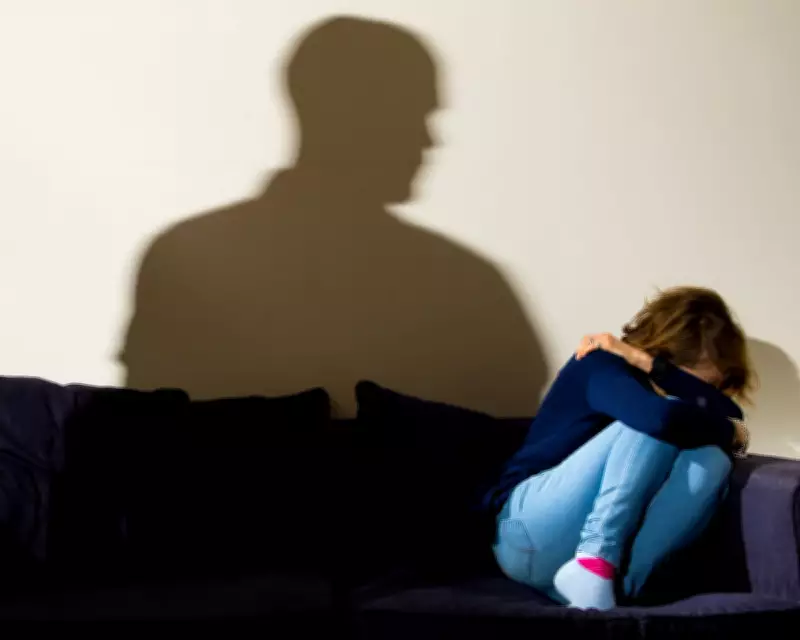
New data from the National Police Chiefs' Council reveals that only 3% of suicides related to domestic abuse in England and Wales over the past five years have resulted in any prosecution. Between 2020 and 2025, 553 individuals took their own lives after suspected abuse in an intimate relationship, yet only 17 posthumous charges were brought.
Alarming Trends in Domestic Abuse Suicides
In 2025, for the third consecutive year, someone in an abusive relationship was more likely to die by suicide than be killed by their abuser. The Guardian has been investigating cases of women who take their own lives after prolonged domestic abuse, revealing that alleged abusers often face no police investigation after their partner's death.
Landmark Case in Scotland
In March, Lee Milne became the first person in Britain convicted by a jury of killing a current or former partner who died by suicide after domestic abuse. A jury found Milne guilty of culpable homicide, even though his estranged wife Kimberly took her own life and he did not physically cause her death. Milne's case was heard in Scotland; no manslaughter prosecution in a suicide linked to domestic abuse has resulted in a guilty verdict in England and Wales.

Lack of Investigations
In most cases, alleged perpetrators were not investigated for their role in a partner's suicide or any prior abuse. Some existing inquiries into domestic abuse were closed without explanation after the victim's death. Nicole Jacobs, the domestic abuse commissioner for England and Wales, expressed concern over the "tolerance of way too much variance" between police forces, with "not enough inquisitive investigation measures" applied in some areas.
Jacobs highlighted that resource constraints and the perpetrator's ability to control the narrative often hinder police. She noted cases where alleged offenders kept victims' mobile phones, leading to loss of crucial data, or discouraged officers from interviewing families by falsely claiming estrangement.
Postcode Lottery for Justice
Asked if families face a postcode lottery in seeking justice, Jacobs agreed, calling the low prosecution rate "hugely concerning" given that domestic abuse is "highly repetitive." She emphasized that without intervention, perpetrators often continue abusive behavior in future relationships.
Jacobs urged police forces to be more rigorous in overseeing investigations, noting that many families who bring credible evidence to police find it "near to impossible" to get attention from officers. She added that delays until a review or coroner's court make it hard to take action.
Calls for Legal Change
Some campaigners advocate for making driving someone to suicide via domestic abuse a standalone offense. Jacobs acknowledged credible arguments on both sides but stressed that immediate improvements in the quality of investigations at the time of death would increase accountability and justice.
If you or someone you know is affected by domestic abuse or suicidal thoughts, support is available. In the UK and Ireland, Samaritans can be contacted on freephone 116 123, or email jo@samaritans.org or jo@samaritans.ie. In the US, call or text the National Suicide Prevention Lifeline on 988, chat on 988lifeline.org, or text HOME to 741741. In Australia, Lifeline is 13 11 14. Other international helplines can be found at befrienders.org.