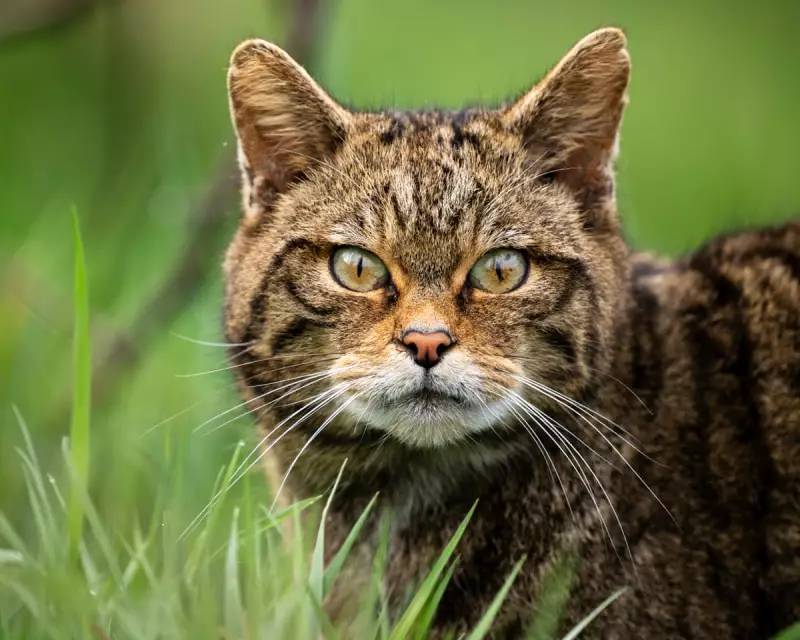
Wildcats Set for Historic Return to English Countryside
The iconic European wildcat could be prowling through English woodlands again for the first time in more than a century, following a major breakthrough in conservation efforts. A comprehensive two-year study has concluded that mid-Devon provides the ideal habitat to support the return of these elusive creatures, with overwhelming public backing for their reintroduction.
Overwhelming Public Support and Perfect Habitat
Remarkably, 80% of local residents support the wildcats' return, according to surveys conducted by University of Exeter researchers. One survey revealed 71% of 1,000 people liked the idea, while another found 83% of 1,425 respondents were positive about the prospect.
The South West Wildcat Project's investigation identified that the region's landscape offers everything the species needs to thrive. Extensive woodland provides essential cover and den sites, while low-intensity grasslands and scrubland create perfect hunting grounds for these skilled predators.
Addressing the Challenges of Reintroduction
The ambitious plan envisages releasing between 40 and 50 wildcats, though not before 2027. However, conservationists must first overcome significant challenges, particularly the threat of interbreeding with domestic and feral cats.
This issue has threatened the genetic integrity of Scotland's remaining wildcat population. To ensure success in Devon, the project will require close cooperation with local communities and cat welfare organisations to implement an extensive neutering programme for domestic and feral cats in the release area.
The study provides reassuring findings about potential impacts, confirming that wildcats pose no threat to humans, farm livestock, or pets. Their diet primarily consists of small mammals including voles, rats, wood mice and rabbits, with these species making up 75% of their prey.
Restoring a Lost Piece of English Wildlife
European wildcats, historically known as "wood cats," were once widespread throughout south-west England before centuries of persecution and habitat loss drove them to extinction in the region. The last known wildcats in the south-west survived on Exmoor until the mid-19th century.
Cath Jeffs, south west wildcat project lead at Devon Wildlife Trust, expressed excitement about the findings. "It's exciting that this report suggests wildcats could be part of the region's nature once again," she said. "The return of this critically endangered species would be another step in the restoration of our native wildlife and will help rebalance local ecosystems."
The UK's only remaining wildcat population lives in the Scottish Highlands, where despite receiving protected status in 1988, they're now classified as critically endangered with as few as 115 individuals remaining in the wild.
If the Devon reintroduction proceeds, cats would be selected from Britain's captive breeding programme, managed by the Royal Zoological Society of Scotland, with their offspring potentially being released into the carefully selected Devon habitat.