The High-Stakes World of Trophy Hunting in African Conservation
In the vast expanses of Africa, a controversial practice funds wildlife preservation: allowing wealthy individuals to hunt animals for exorbitant fees. Critics argue this system perpetuates neocolonialism, yet in places like Mozambique's Niassa Special Reserve, it underpins conservation efforts. This reserve, larger than Switzerland, spans 4.2 million hectares and hosts elephants, leopards, hyenas, zebras, and approximately 1,000 wild lions. While designated as protected, a select number of animals are annually allocated for hunting, purportedly for the greater good of conservation.
The Hunt in Niassa: A Closer Look
On a recent expedition in Niassa, I accompanied a top game-hunting company led by safari guide Paul Stones and his client, an American neurosurgeon in his seventies. Their target was a cape buffalo, tracked by Mozambican professionals Sabite Mohamed and Tino Salvador. The hunt unfolded in silence through dense woodlands, with moments of tension as a waterbuck suddenly burst from the grass, highlighting the unpredictable nature of these pursuits. Annually, trophy hunters worldwide kill tens of thousands of wild animals, with sub-Saharan Africa being a prime location where hunting interests finance large-scale conservation projects.
In 2014, Texas oil heir Corey Knowlton paid $350,000 to hunt a critically endangered black rhino in Namibia, claiming his actions benefited conservation by funding protection efforts. This exemplifies the industry's central contradiction: saving wildlife by killing it. Hunters like Stones emphasize "fair chase," where animals have a sporting chance, contrasting with "canned hunting" where lions are bred for slaughter in enclosures. Niassa, as one of the world's largest and wildest reserves, offers an ideal setting for this ethical hunting model, with hunters rising before dawn for days on end, seeking a sense of parity in the life-and-death game.
Historical Roots and Conservation Paradoxes
Trophy hunting traces back to ancient traditions of sport among elites, from emperors to merchants, who conserved wildlife to enable future hunts. Historically, hunting preserves like Europe's Białowieża forest, established in the 15th century, inadvertently protected habitats. In Africa, colonial powers imposed this model after wildlife declines, setting aside 1.4 million square kilometers for hunting since 1900. Many iconic parks, such as South Africa's Kruger National Park, originated as game reserves, with hunting banned within but allowed on adjacent estates, creating a blurred line between protection and pursuit.
The international conservation movement, initiated by big-game hunters, remains financially reliant on this practice. However, it's a divisive issue, with attempts to ban it complicated by its deep entanglement with African conservation funding. Professional hunters (PHs) like Stones guide wealthy clients, often white Americans, through the bush, charging substantial fees. For instance, a buffalo hunt costs $2,150 per day for 10 days, plus additional expenses like bush plane charters and game fees. Animals like impalas cost $600, while lions command $25,000, with total lion hunts reaching six figures.
Local Impacts and Ethical Dilemmas
In Niassa, residents are among the world's poorest, with 80% living on less than $2 daily. Mozambique's history of civil war devastated wildlife as people turned to bushmeat, but recent anti-poaching efforts, funded partly by trophy hunting, have improved conservation. The Luwire Conservancy, managing a 4,500-square-kilometer block in Niassa, uses hunting revenue to support local communities through clean water, medical care, jobs, and shared meat. However, this dynamic can feel paternalistic, with villagers prohibited from hunting while receiving handouts from hunters.
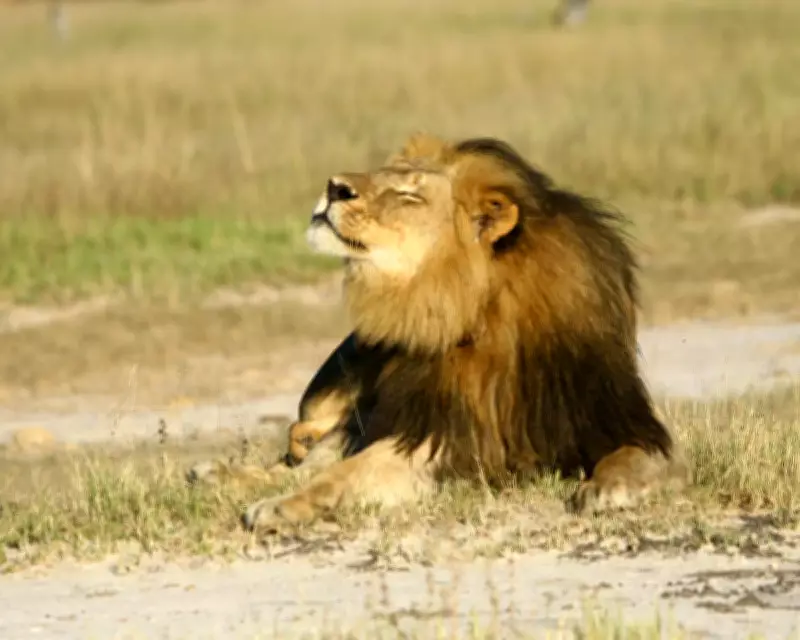
African conservation's focus on trophy hunting stems from a 1900 London conference where imperial powers, without Black African representation, sought to curb wildlife declines caused by European hunters. This led to laws criminalizing subsistence hunting while allowing elite trophy pursuits, a legacy of racial inequality. Today, 15 African countries rely on hunting for conservation funding, with Zambia briefly banning it only to reverse due to financial shortfalls. Critics argue this system maintains dependence on a foreign, white elite and overlooks Black African poverty, as seen in the global outcry over Cecil the lion's death in 2015 versus limited concern for local communities.
Future Directions and Pragmatic Realities
Conservationists like Derek Littleton of Luwire Conservancy advocate for a pragmatic approach, noting that without hunting income, preservation in conflict-prone areas like Niassa would be unfeasible. He oversees anti-poaching units using GPS tracking for elephants and lions, battling threats from illegal mining to bushmeat poaching. Despite ethical quandaries, hunting has shown results: Niassa's lion population is growing, estimated at 800-1,200, and South Africa's game numbers have soared from 500,000 in 1964 to over 20 million, largely on private reserves. In contrast, Kenya's hunting ban since 1977 correlates with steep wildlife declines.
The trophy hunting system faces calls for reform, with African thinkers like Danford Chibvongodze proposing alternatives based on Ubuntu philosophy, emphasizing interconnectedness over wilderness reserves. Yet, as debates rage, the current model in Niassa demonstrates effectiveness, raising tough questions: if banning hunting leads to habitat loss and population crashes, is it morally justifiable? This complex interplay of economics, ethics, and ecology continues to shape the future of African conservation.