Ripple Nature Reserve Restoration Plan Approved Amid Funding Challenges
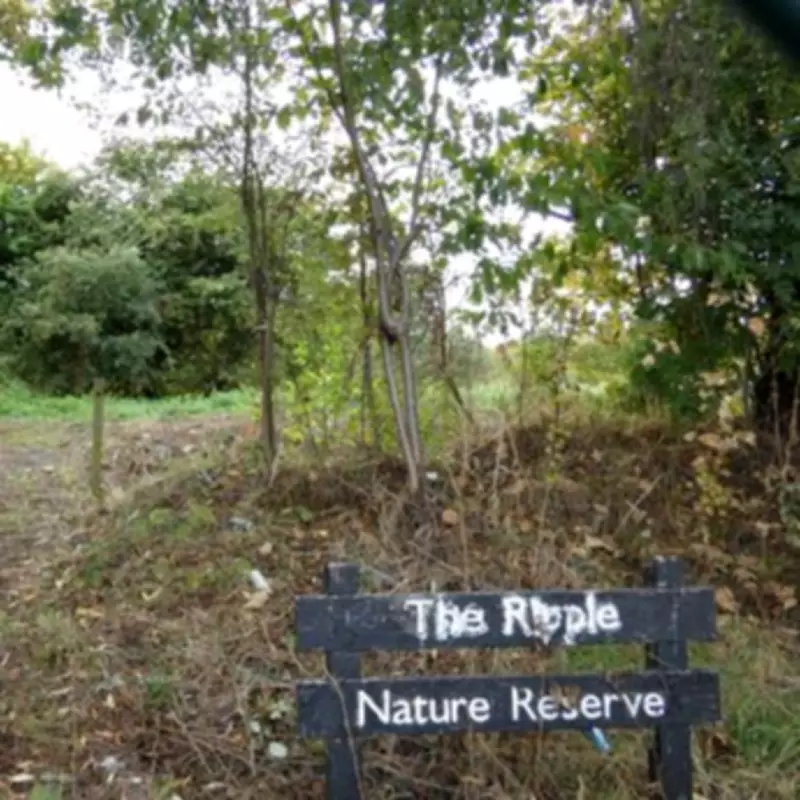
Barking and Dagenham Council has given the green light to a new masterplan aimed at restoring and reopening the long-closed Ripple Nature Reserve, offering a glimmer of hope for local campaigners. However, the council acknowledges it currently lacks the necessary funding to implement the ambitious restoration project, estimated to cost approximately £1.45 million.
Campaigner's Optimism and Historical Context
Marion Hull, a dedicated campaigner fighting to reopen the reserve, expressed enthusiasm about the council's decision. "Getting the nature reserve open would be amazing," she said, describing the site in Riverside as "an oasis in a sea of concrete." The reserve, which closed in 2019 following asbestos contamination tests, was originally a wasteland for pulverised fuel ash from the coal-powered Barking Power Station, operational between 1925 and 1990.
Council tests revealed that asbestos levels were below ground, capped, and posed a low risk. Despite this, the site remained closed post-pandemic due to various reasons, including a lack of maintenance funds since 2003. Previously managed by the London Wildlife Trust with funding from property developer Bellway Homes, the reserve has since been largely abandoned, with volunteers performing basic upkeep until its closure.
Council's Strategic Moves and Financial Hurdles
Labour council leaders approved the restoration masterplan at a recent cabinet meeting, signaling a commitment to reopening the reserve. Council documents state that this plan "demonstrates a commitment to reopening the reserve" and will aid in applying for grant funding from sources like the National Lottery Heritage Fund. Additionally, the council is in discussions with Barking Riverside Ltd, the developer behind a major housing scheme adjacent to the reserve, regarding financial contributions tied to future planning agreements.
Nevertheless, significant challenges remain. The council has no dedicated resources for daily management of the site, and long-term maintenance arrangements are still unresolved. Documents note that external organisation management would require council funding or a partnership similar to the previous Bellway Homes arrangement.
Community Impact and Unique Ecological Value
Marion Hull and other residents have campaigned vigorously for the reserve's reopening, recalling its value to the community. "I used to walk my dog through there. It was there for a long time and then they closed it. We were all very upset that it closed and couldn't understand why," she shared. Highlighting the site's ecological uniqueness, Hull added, "Some of the plants growing there couldn't grow anywhere else because the soil itself – although it's contaminated in a way, it's in a way that plants like it. It makes it really unique."
She lamented the loss of public access, stating, "It's such a sad thing that it's lost to people. People can't see the beauty of it." The masterplan approval represents a critical step forward, but without the £1.45 million for remedial works, the future of this cherished green space remains uncertain, dependent on securing external funding and partnerships.