Conservationists Celebrate 'Extraordinary' Twin Birth in Virunga National Park
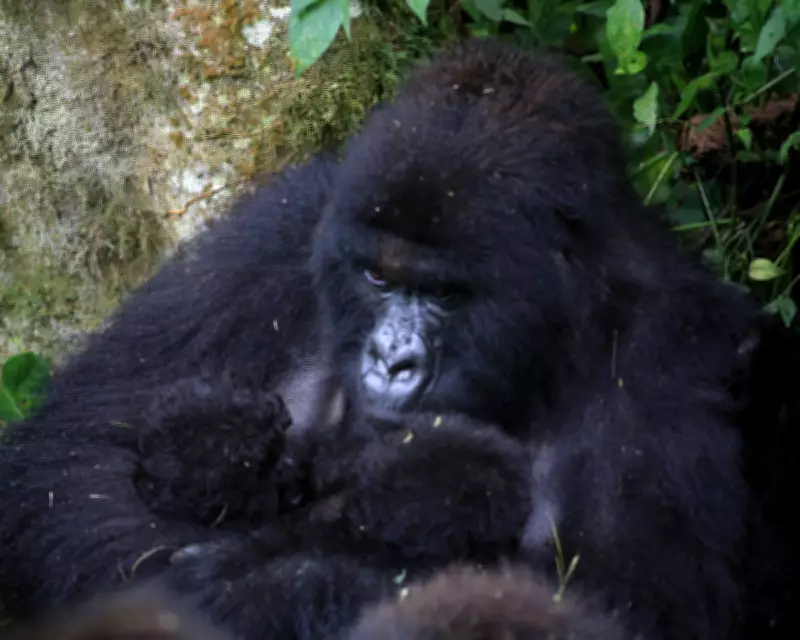
In a remarkable development for wildlife conservation, a second set of mountain gorilla twins has been born in Virunga National Park in the Democratic Republic of the Congo (DRC). This rare event, occurring just two months after another twin birth was discovered, is being hailed by experts as an 'extraordinary' occurrence for the endangered primate population.
New Additions to the Baraka Family Troop
Park wardens recently spotted an infant male and female in the Baraka family, a troop of 19 mountain gorillas that inhabit the high-altitude rainforests of the Virunga massif in eastern DRC. The discovery follows the January announcement of twin males born to a female gorilla named Mafuko, who are now 11 weeks old and reportedly thriving.
Twins are exceptionally rare in mountain gorillas, accounting for less than 1% of births, and present significant challenges for the mother due to increased care demands. Park rangers have placed the new twins under additional monitoring to support them through the critical initial months, as infant mortality rates are high, with about a quarter succumbing to disease, trauma, or infanticide.

Sign of Conservation Success Amid Challenges
Jacques Katutu, head of gorilla monitoring at Virunga, emphasized the significance of these births. "Two instances of twin births within three months is an extraordinary event and provides another vital indicator that dedicated conservation efforts, which have continued despite the current instability in eastern Congo, continue to support the growth of the endangered mountain gorilla population within Virunga national park," he stated.
Park authorities believe twin births are more likely when females are in excellent physical condition, suggesting that ongoing conservation measures are yielding positive results. The mountain gorilla subspecies, found only in the Virunga massif and Bwindi Impenetrable National Park in Uganda, has seen a dramatic recovery from near extinction.
From Brink of Extinction to Endangered Status
In the 1970s, barely 250 mountain gorillas remained, with many fearing extinction. Decades of intense conservation work, including specialist veterinary care from organizations like Gorilla Doctors, have helped population numbers surpass 1,000 by 2018. This progress led to the subspecies' status being downgraded from critically endangered to endangered.
Veterinary interventions have been crucial, with one study attributing half of the population increase to such efforts. These vets have prevented dozens of deaths by assisting gorillas affected by human activities, such as freeing animals from poachers' traps.
Ongoing Threats and Ranger Sacrifices
Despite these successes, the DRC section of the Virunga mountain range remains perilous for wildlife rangers. Over the past 20 years, more than 220 rangers have been killed in the park due to threats from rebel groups like M23, militias, and bandits operating with impunity. This underscores the ongoing risks faced by those dedicated to protecting these iconic primates.
The twin births offer a beacon of hope, highlighting the resilience of mountain gorillas and the effectiveness of sustained conservation initiatives in one of the world's most challenging environments.