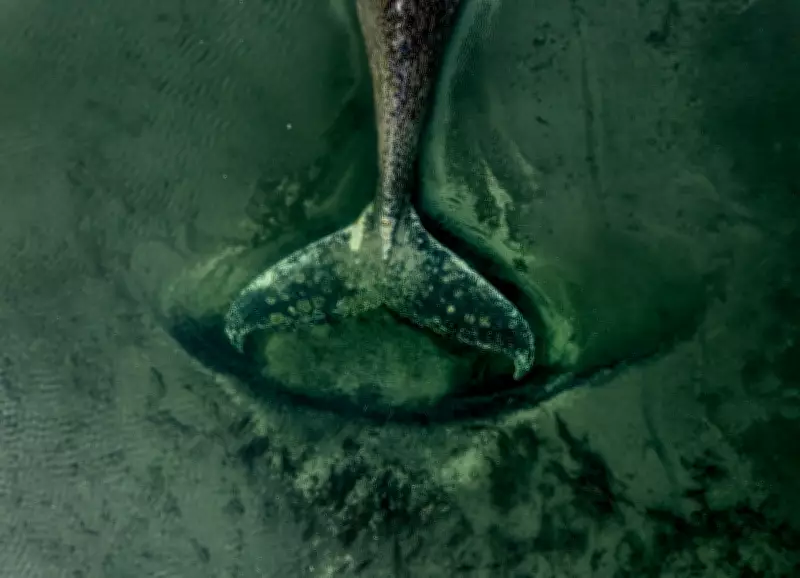
A Desperate Rescue Effort for a Stranded Humpback Whale
On the sandbanks off Poel Island in Germany's Baltic coast, a humpback whale has been stranded for weeks, severely weakened and facing a slow, painful death. A final rescue operation was streamed live on YouTube, involving inflating cushions to float the animal back to sea, but its condition remains critical due to dehydration and entanglement in ropes.
The Parable of a Beached Giant
This stranded whale serves as a powerful metaphor for humanity's troubled relationship with marine life. While we empathize with these intelligent creatures, our relentless pursuit of economic progress has shrunk their world, turning oceans into extensions of human activity. Whales now struggle to find peaceful habitats, with feeding zones reduced by warming, acidifying seas, and their health compromised by chemical pollution and industrial noise.
Historical and Modern Strandings: A Growing Crisis
Whale strandings are not new, but their frequency and causes have evolved. Historically, humpback whales were present in the North Sea and Baltic Sea over 1,000 years ago, as evidenced by bone fragments found in Viking settlements. Today, they are returning to these areas, only to face new threats. In 2024 alone, at least 10 sperm whales have stranded from Cornwall to Denmark and Germany, often linked to human-generated noise or solar flares disrupting their navigation.

Similar incidents, like a 2012 humpback stranding in the Netherlands, have sparked public outcry, including protests and death threats against rescuers, highlighting heightened sensitivity to marine welfare. The International Whaling Commission recommends palliative care for such cases, emphasizing humane responses when rescue is impossible.
The Broader Impact: From Whaling to Sonic Storms
Centuries ago, whalers hunted these animals to near extinction. Now, whales perish from fishing gear entanglements, ship strikes, and noise pollution from military sonar and seismic surveys. Mass strandings, such as the 2016 event involving 30 sperm whales in the North Sea, have been attributed to solar flares, but human activities exacerbate these risks. As Michael Moore notes in We Are All Whalers, global shipping and resource extraction make us all complicit in their fate.
Conclusion: A Call for Reflection and Action
The agonizing stranding of the German humpback whale is a visceral reminder of our collective impact on marine ecosystems. While rescue efforts continue, this event underscores the need for sustainable practices to protect these majestic creatures from becoming perpetual victims of human folly.