
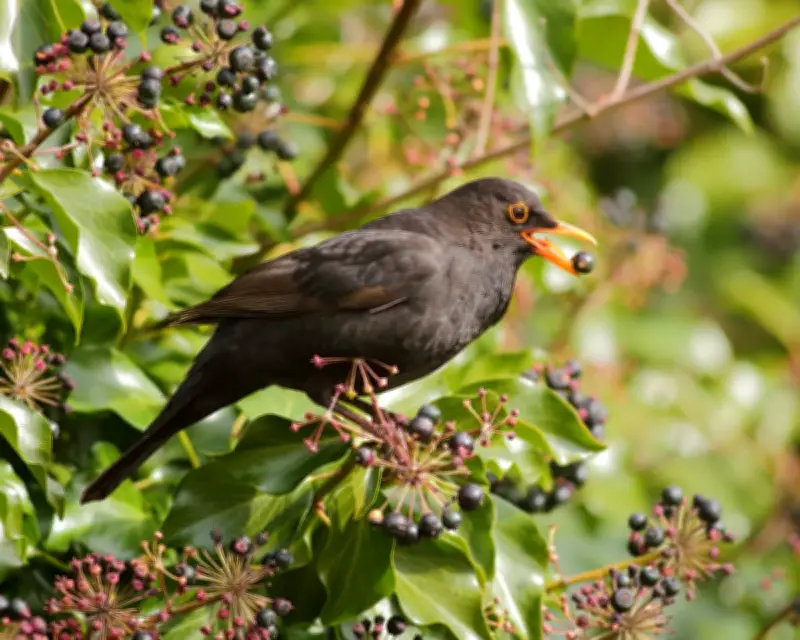
As humans sweltered in the record-breaking late June heatwave, we might not have spared much thought on how birds were coping. Unlike us, birds are unable to sweat, so instead they have evolved other ways to avoid overheating.
Cooling strategies: shade, wing-spreading, and panting
These include seeking shade beneath trees, bushes and hedgerows, spreading their wings to allow cooler air to circulate around their body, and opening their bills to cool down, the same as dogs do when they pant. Birds are also able to pump blood into their bare parts – bills, legs and feet – which allows their body heat to disperse.
Bathing and increased predation risk
Another way birds can keep cool is to bathe – either in natural water sources such as ponds and streams, or in those provided by us, such as bird baths. But as they gather to drink and bathe, they can be more vulnerable to attack by predators such as sparrowhawks and cats. Fortunately at this time of year, with the long hours of daylight, they can rest during the day and come out to feed in the cooler hours around dawn and dusk.
Practical challenges for ground-feeding birds
Despite these adaptations, birds can still experience stress during prolonged periods of very hot weather. There are also practical issues: for example, ground-feeding birds such as blackbirds and thrushes may find it harder to find food, as invertebrates such as earthworms can be tricky to find in the hard-baked earth.



