Pet Flea Treatments Contaminate UK Songbirds, Scientists Warn
Conservationists are urgently calling for restrictions on pet flea treatments after groundbreaking research revealed widespread contamination of UK songbirds with harmful insecticides. A comprehensive study conducted by scientists at the University of Sussex has found that feathers from common garden birds contain alarming levels of pesticides commonly used in veterinary flea and tick treatments.
Widespread Contamination Across Species
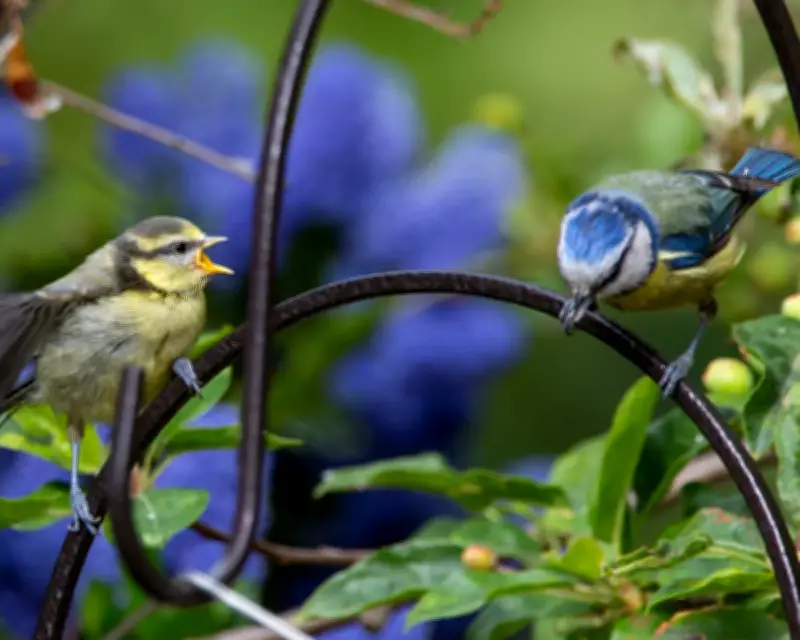
The research, funded by the conservation charity Songbird Survival, analyzed feather samples from five common UK garden bird species: blackbirds, blue tits, chaffinches, dunnocks, and goldfinches. The findings were startling - 100% of feather samples contained detectable levels of pesticides, with multiple chemicals present in most specimens.
Specifically, the analysis revealed permethrin in 98% of samples, imidacloprid in 88%, and fipronil in 72% of tested feathers. Perhaps most concerning was the discovery of chlorpyrifos in 96% of samples, despite this chemical being banned in the UK due to evidence that it harms children's cognitive development.

Neurological and Reproductive Impacts
These insecticides, while banned for agricultural use, remain common in pet flea and tick treatments. The researchers emphasized that fipronil and imidacloprid are known to impair breeding success in garden birds and disrupt their neurological function. Permethrin has been found to slow growth rates and repress feather development in wild bird chicks.
"Our study shows that wild animals are chronically exposed to pesticides," said Dr. Cannelle Tassin de Montaigu, one of the study's authors. "Given the neurotoxicity of fipronil and imidacloprid, even low-level, chronic exposure during early development could lead to irreversible physiological or behavioral impairment in chicks."
Systemic Regulatory Failures
The findings come as dozens of veterinary professionals, wildlife charities, and academics have signed an open letter urging the government to address what they describe as "systemic failures in the regulation of veterinary medicines." The letter, addressed to Environment Secretary Emma Reynolds, calls for immediate action to protect both pets and wildlife.
"Pet owners should feel confident that the products they use protect their pets," the signatories wrote, highlighting the need for better regulation and informed decision-making in veterinary medicine.
Overuse and Environmental Impact
The problem, according to researchers, isn't the use of flea treatments but their excessive and often unnecessary application. More than 80% of UK cats and dogs receive at least one flea or tick treatment annually, with many receiving monthly "spot-on treatments" that wash off into wastewater, rivers, and soil.
"We wouldn't treat children for lice every single month," explained Dr. Tassin de Montaigu. "We treat when it's necessary, but we don't do this with pets. And that should change."
Calls for Prescription-Only Status
Susan Morgan, Chief Executive of Songbird Survival, described the research findings as "deeply alarming" and called for flea treatments to become prescription-only. "A label on a box isn't enough," Morgan stated. "We need informed conversations between vets and pet owners to protect pets, homes, and the environment."
The Department for Environment, Food and Rural Affairs (Defra) has responded by launching an eight-week consultation on banning over-the-counter sales of these treatments for cats and dogs. A Defra spokesperson said: "This government is committed to restoring nature and cleaning up our rivers. We are taking water pollution from flea and tick treatment extremely seriously and have recently launched a call for evidence to inform decisions about how to best address the issue."
The research highlights the complex interplay between pet care practices and wildlife conservation, revealing how domestic decisions can have far-reaching environmental consequences. As the consultation proceeds, conservationists hope for meaningful regulatory changes that will protect both beloved pets and vulnerable wildlife populations.