Drone Survey Uncovers Hope for Endangered Dunlins in Cumbrian Pennines
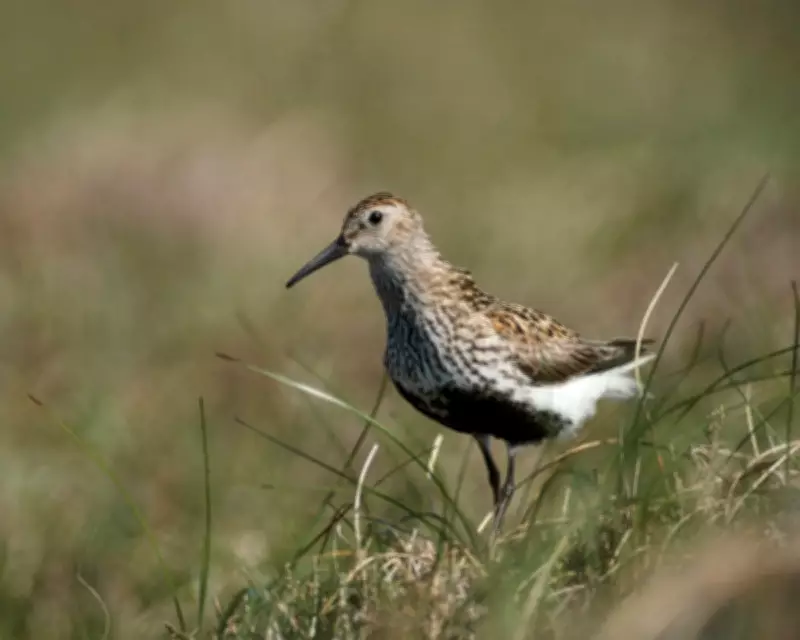
In a groundbreaking conservation effort, a drone survey has revealed promising signs for one of the United Kingdom's rarest birds, the dunlin, in the remote moorlands of Cumbria. These small wading birds, characterised by their spindly legs, long beaks, and plump bodies, undertake an epic migration, travelling thousands of miles from west Africa to breed in the heather-clad peat bogs of the Pennines.
Innovative Technology Aids Conservation Discovery
For the first time, conservationists from the Royal Society for the Protection of Birds (RSPB) employed drone technology to survey the challenging, boggy terrain of the Cumbrian Pennines. Funded by Natural England, this pioneering initiative aimed to assess the breeding success of dunlins in areas that are typically difficult to access on foot. The results have provided a rare glimpse into the lives of these endangered birds, with the team delighted to find tiny chicks thriving in restored habitats.
Collaborative Habitat Restoration Yields Results
The survey identified dunlins in eight out of fourteen locations, with their presence strongly linked to the quality of the habitat. A standout success story emerged from the High Helbeck estate, where landowners have actively collaborated with conservation partners to create optimal conditions for wading birds. Through dedicated efforts, the estate has restored 79 hectares of peatland and constructed 25 new wader "scrapes"—shallow pools that dunlins use to forage for food.
One particularly charming video captured by the drones shows chicks feeding in a newly-created bog pool, highlighting the tangible benefits of this habitat work.
Alarming Decline and Conservation Challenges
Dunlins face significant threats globally, with populations declining by at least 20% since the early 2000s. The International Union for Conservation of Nature (IUCN) now classifies the species as near threatened worldwide, while in the UK, it is red-listed, indicating it is among the country's rarest birds. Conservationists have long warned that factors such as the climate crisis and habitat degradation—often due to drainage and burning for farming or grouse shooting—are driving this decline.
Voices from the Conservation Frontline
Kath Milnes, a higher officer for Natural England in Cumbria, emphasised the broader impact of this work, stating: "This fantastic work across the Cumbrian Pennines clearly demonstrates how investing in nature delivers multiple benefits for everyone. By working with landowners and conservation partners to restore and re-wet peatlands, we're creating the right conditions for species like dunlin to thrive."
Nicolete Blackett-Ord, a joint landowner at High Helbeck, expressed her satisfaction with the project: "It has been extremely rewarding to take part in this project. We've learnt such a lot about this threatened species' distribution and habitat needs. To confirm breeding at High Helbeck is particularly special because we have worked with the RSPB and partners for several years, improving habitat, to enable wading birds to thrive."
A Hopeful Future for UK Waders
This collaborative effort between conservationists and landowners in Cumbria offers a beacon of hope for the future of dunlins and other wading birds in the UK. By leveraging modern technology like drones and committing to habitat restoration, these initiatives not only support biodiversity but also contribute to the health of peatlands, which play a crucial role in carbon storage and water regulation. As the survey results show, targeted conservation actions can make a real difference in reversing the fortunes of endangered species.