
Climate Crisis Amplifies New Zealand's Landslide Threat as Experts Warn of More Fatalities
New Zealand could experience a significant increase in deadly landslides as the climate crisis triggers more intense and frequent storms, according to expert warnings following two tragic events in the North Island. Landslides represent the country's most lethal natural hazard, having claimed more than 1,800 lives since written records began – a death toll exceeding those from earthquakes and volcanoes combined.
Recent Tragedies Highlight Growing Vulnerability
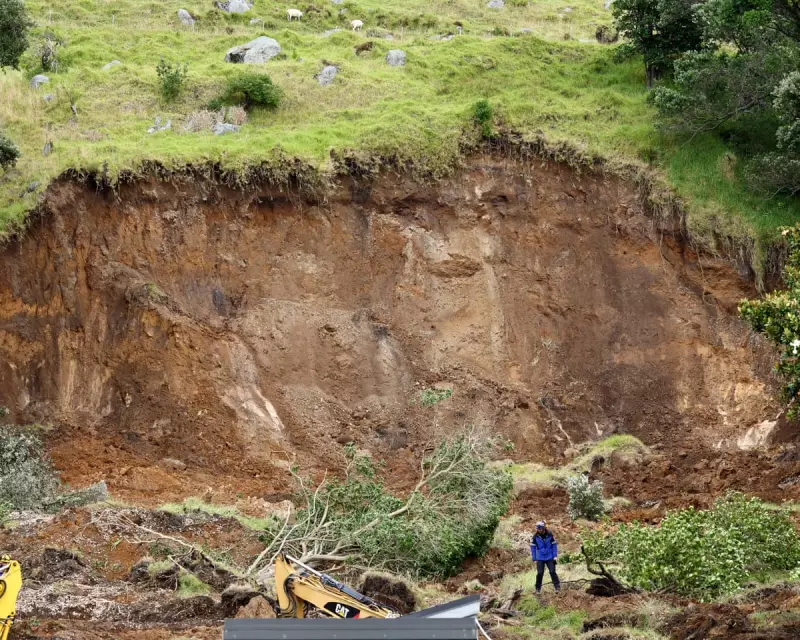
In January, a series of tropical storms battered the North Island, bringing torrential rainfall that triggered two fatal landslides. On Thursday morning, a massive landslide crashed into a holiday park at Mount Maunganui in the eastern city of Tauranga, burying six people who authorities have confirmed are unlikely to be found alive. Earlier that same morning, another landslide tore through a house south of the city, killing two residents.
The Tauranga city council evacuated 150 people from 30 homes on Wednesday to assess a new slip posing what officials described as a "risk to life." As the nation grapples with these tragedies, urgent questions have emerged about how New Zealand can better protect itself from landslides and the increasingly extreme weather that triggers them.
Geological and Climatic Factors Create Perfect Storm
New Zealand's position on a tectonic boundary pushes up land and creates steep slopes, while its maritime climate brings high rainfall – factors that combine to make the country particularly prone to landslides. Human activity has further reshaped the landscape through deforestation and cutting into slopes for transportation networks and housing developments.
"Land use change has been so profound that we just aren't resilient," says Martin Brook, professor of applied geology at the University of Auckland. He notes that while mapping landslide susceptibility in regions has increased, the next crucial step involves using that data to better inform planning decisions and development regulations.
Climate Change Intensifies the Threat
Global warming is already intensifying tropical storms that can set off landslides, according to Dr Thomas Robinson, senior lecturer in disaster risk and resilience at the University of Canterbury. "The more we have intense storms, the more frequently they occur, the more landslides we're going to have, and then the more impacts we're going to experience," he explains.
Recent years have demonstrated this escalating pattern. In 2023, Cyclone Gabrielle triggered approximately 800,000 landslides across New Zealand, making it one of the most extreme landslide-triggering events ever recorded globally according to Earth Sciences New Zealand.
"The losses and the impacts are increasing," Robinson emphasizes. "We need to have a really serious conversation nationally and internationally about how we're going to manage the risks we're faced with."
Political Debate Over Climate Response
Professor James Renwick of Victoria University of Wellington's climate science department notes that storms are increasingly causing "devastation and misery" across the country. "To stop such events becoming worse, to stop them overwhelming our abilities to adapt, we must stop adding carbon dioxide and other greenhouse gases to the air," he states, adding that government and business leaders must find ways to decarbonise the economy urgently.
Politicians have recently traded accusations over the coalition government's climate change policy, which includes reducing emissions targets and scrapping a NZ$6 billion resilience fund for communities established after Cyclone Gabrielle. Labour leader Chris Hipkins accused the government of dragging their heels on climate issues, while finance minister Nicola Willis countered that significant funding had been allocated toward infrastructure, flood resilience, and roading repairs needed to respond to climate change effects.
Investigations and Changing Public Awareness
The Tauranga city council has ordered a local inquiry into the Mount Maunganui event, while Prime Minister Christopher Luxon is seeking advice on a government inquiry. Questions have emerged about whether local authorities could have done more to prevent the deaths, with members of the public reporting they alerted emergency services to potential threats before the landslide occurred.
Despite their deadly history, landslides "don't stick in our psyche" in the same way earthquakes might, Robinson observes. He suggests that recent tragedies may help shift public awareness and preparedness. "If anything good can come out of this, then having a better and broader understanding of landslide risk and how to prepare for them is a positive."
As New Zealand confronts this growing threat, experts agree that comprehensive strategies combining better land-use planning, climate mitigation, and public education will be essential to reducing future fatalities from this deadliest of natural hazards.



