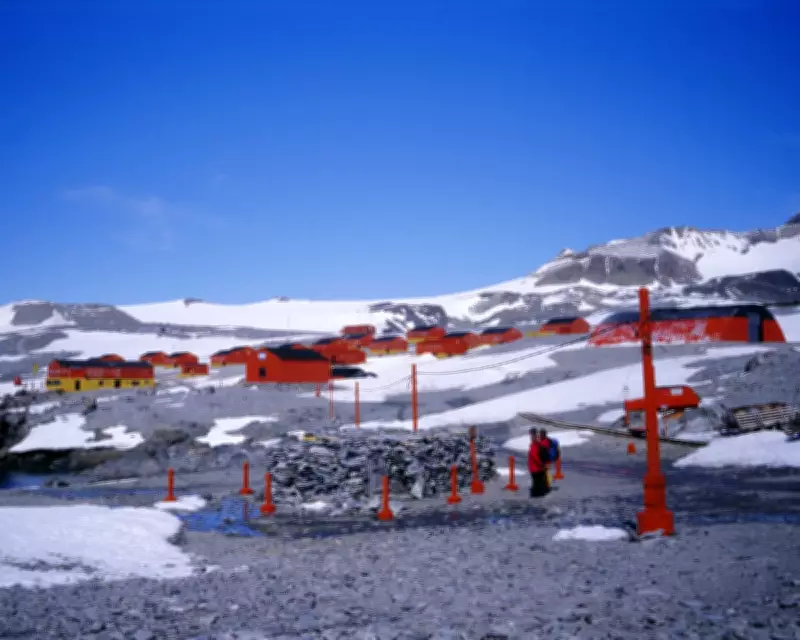
Esperanza Base in Hope Bay, Antarctica, presents a breathtaking spectacle: skies of such profound blue that they captivate all who witness them. This remarkable visual phenomenon is scientifically attributed to the region's unique combination of high altitude and exceptionally low levels of humidity and atmospheric pollution. Photographic evidence from locations like this consistently showcases these stunning azure vistas.
The Science Behind Sky Colours
When we gaze upward, the shade of blue we perceive is primarily a result of Rayleigh scattering. This fundamental physical process affects light more intensely at the blue end of the visible spectrum. Essentially, the blue sky we observe is the blue component of scattered white sunlight from our sun.
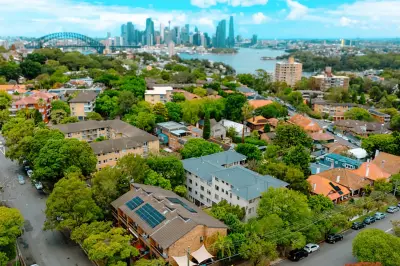
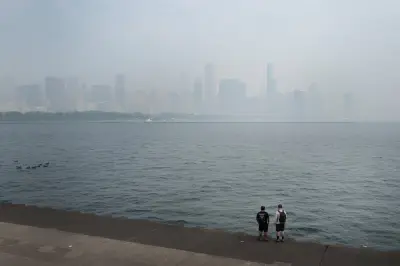
However, atmospheric conditions significantly modify this basic effect. High humidity, dust particles, smoke, and various pollutants introduce what scientists term Mie scattering. Unlike Rayleigh scattering, this process disperses light across a broader range of wavelengths, often resulting in a whiter, milkier, or more washed-out appearance in the sky.

Why Altitude and Purity Matter
At higher elevations, there is simply less atmosphere above to scatter incoming sunlight. This reduction in scattering medium leads to a darker sky background against which the blue wavelengths appear more vivid and intense. Furthermore, environments with minimal humidity and pollution allow Rayleigh scattering to dominate without the whitening interference of Mie scattering.
While comprehensive global spectroscopic studies comparing sky blueness are surprisingly lacking, the existing scientific consensus points to clear frontrunners. The combination of factors in Antarctica makes it the probable global champion for the deepest, most saturated blue sky. Visitors and researchers frequently report being astounded by the sapphire-like quality of the Antarctic atmosphere.
Global Contenders for Azure Skies
Beyond Antarctica, other regions are renowned for their exceptionally blue skies. Strong contenders for the title include:
- The Atacama Desert in Chile: Famous for its extreme aridity and high altitude, creating clear atmospheric conditions.
- The Tibetan Plateau: Another high-altitude region with notably dry air, contributing to vivid sky colours.
- Cape Town, South Africa: Often praised for its brilliant skies, benefiting from coastal and atmospheric conditions.
- Briançon, France: A high-altitude town in the Alps known for its exceptionally clear and blue skies.
This explains why on holiday in certain locations, the sky can appear a more profound shade of blue than even the clearest summer day at home. The interplay of altitude, humidity, and pollution creates measurable differences in how we experience one of nature's most universal yet variable displays.