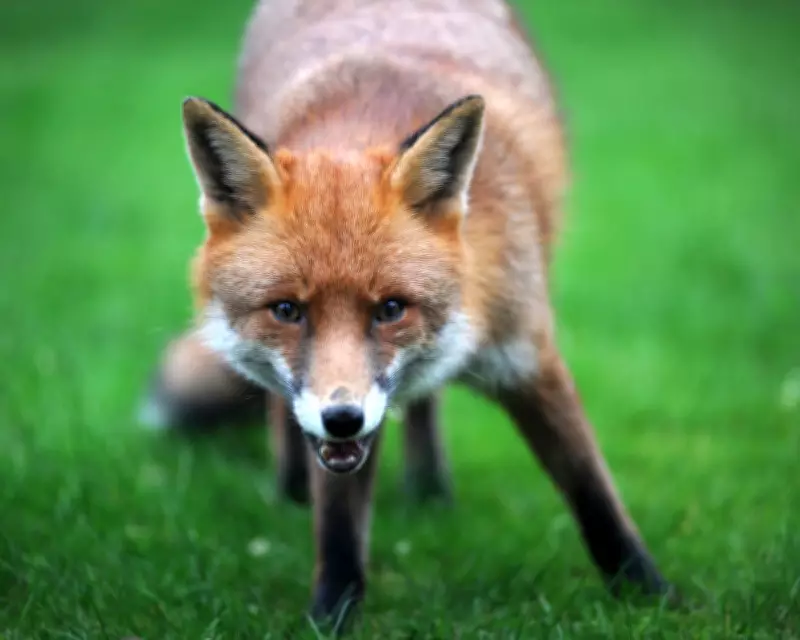
In a recent entry from the Country Diary, a naturalist recounted a fascinating and somewhat puzzling encounter with a wild fox in the British countryside. The observation, which has since ignited discussions among wildlife enthusiasts and experts, centered on the fox's unusual facial expression that the observer described as potentially akin to a "come hither" smile.
An Unusual Wildlife Sighting
The incident occurred during a quiet morning walk through a rural area, where the naturalist spotted a fox at a distance. Instead of the typical wary or alert demeanor often associated with these creatures, the fox appeared to exhibit a relaxed and almost inviting expression. This included what seemed like a slight upturn of the lips, reminiscent of a human smile, leading the observer to ponder if this could be a form of non-verbal communication in the animal kingdom.
Interpreting Animal Behavior
Experts in animal behavior have weighed in on this observation, noting that while foxes are known for their intelligence and adaptability, interpreting their facial expressions can be challenging. Some suggest that what might appear as a "smile" could be related to submissive gestures, playfulness, or even a response to environmental stimuli. However, there is no definitive scientific evidence to confirm that foxes use such expressions in a manner similar to human social cues like flirting or invitation.

The naturalist's account highlights the complexities of studying wildlife communication. Foxes, like many animals, rely on a combination of vocalizations, body language, and scent marking to interact with each other. Facial expressions, while less understood, may play a role in these interactions, but more research is needed to draw concrete conclusions.
Broader Implications for Environmental Awareness
This story underscores the importance of close observation and documentation in natural settings. By sharing such experiences, naturalists contribute to a broader understanding of animal behavior and ecology. It also serves as a reminder of the rich biodiversity present in local environments and the need for continued conservation efforts to protect these habitats.
In summary, while the fox's "come hither" smile remains an intriguing mystery, it sparks curiosity and encourages further exploration into the subtle ways animals communicate. As we learn more about these interactions, we gain deeper insights into the natural world and our place within it.