Cocaine Pollution in Rivers and Lakes May Disrupt Salmon Behavior, Study Finds
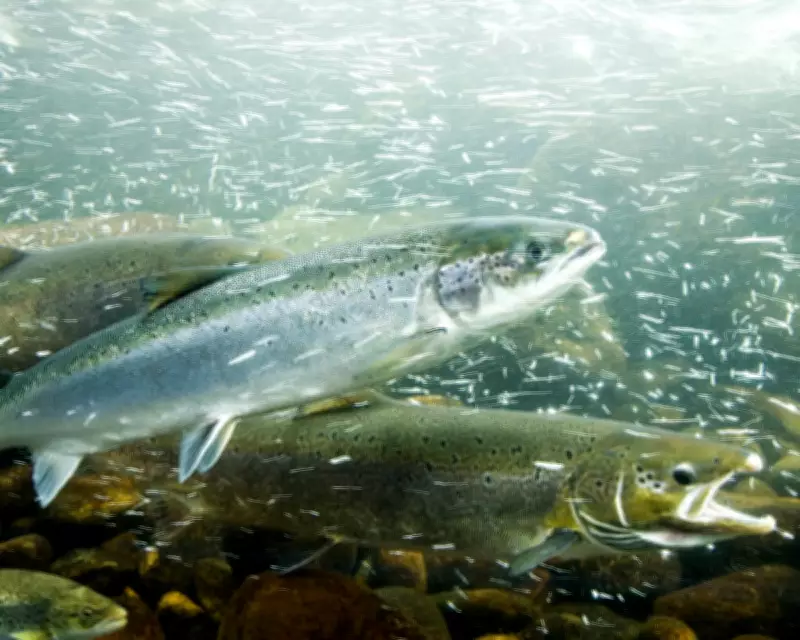
A groundbreaking Swedish study has revealed that traces of cocaine and its primary metabolite, benzoylecgonine, polluting rivers and lakes can accumulate in the brains of Atlantic salmon, significantly disrupting their natural behavior. The research, published in the journal Current Biology, warns of unknown consequences for fish populations, as exposure to these substances causes salmon to swim further, disperse more widely, and alter their foraging patterns, potentially increasing vulnerability to predators.
Experimental Findings on Salmon Movement and Activity
In the study, juvenile Atlantic salmon were artificially exposed to environmentally realistic levels of cocaine and benzoylecgonine through implants, while a control group received drugless implants. All fish were fitted with acoustic transmitters and released into Lake Vättern, Sweden's second-largest lake, which is home to predatory species like pike. Over two months of tracking, researchers observed that salmon exposed to the drug and its metabolite became more active towards the end of the study, swimming significantly farther than controls.
Specifically, in the final weeks, cocaine-exposed salmon swam 5 kilometers further than unexposed fish, while those exposed to the metabolite swam nearly 14 kilometers more, or twice as far. Surprisingly, the metabolite had the greatest impact, with exposed fish moving 12 kilometers farther north into the lake. Dr. Jack Brand at the Swedish University of Agricultural Sciences noted, "It was really the metabolite, which we know occurs at higher concentrations in the wild, that had the much more profound effect on fishes' behavior and movement." This suggests that risk assessments may be underestimating environmental threats by not including such compounds.

Potential Impacts on Fish Populations and Ecosystems
The altered behavior could have severe implications for salmon populations. If fish burn more energy or need to forage extensively to compensate, they may face greater risks from predators or end up in worse physical condition. Dr. Brand emphasized, "Largely, we don't know the consequences, but I expect there to be trade-offs. They may spend more time out in the open, increasing predation risks." This disruption adds to broader concerns about pharmaceutical pollution, which scientists have previously flagged as a major risk to biodiversity, calling for greener medicines that break down more easily in the environment.
Broader Context of Drug Pollution in Waterways
This study builds on earlier reports of drug pollution affecting aquatic life, such as trout showing signs of addiction to methamphetamine and perch losing fear of predators due to antidepressants. In 2019, tests in Suffolk rivers detected traces of cocaine, methamphetamine, and various psychiatric drugs in freshwater shrimp, though harm potential was not conclusively determined. Prof. Leon Barron from Imperial College London highlighted the need for further research to compare these effects with those of other common chemicals in aquatic organisms and to assess natural exposure in the wild.
Existing wastewater treatment effectively removes many illicit drugs, but raw sewage from storm overflows and plumbing misconnections remains a key source of contamination. Prof. Barron advised, "Better wastewater management, particularly reduced raw sewage discharges, could help lower any risks to wildlife and their ecosystems." The findings underscore the urgent need for improved environmental monitoring and policies to protect aquatic biodiversity from emerging chemical threats.