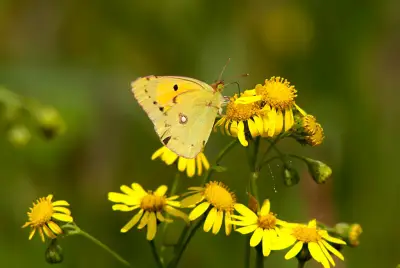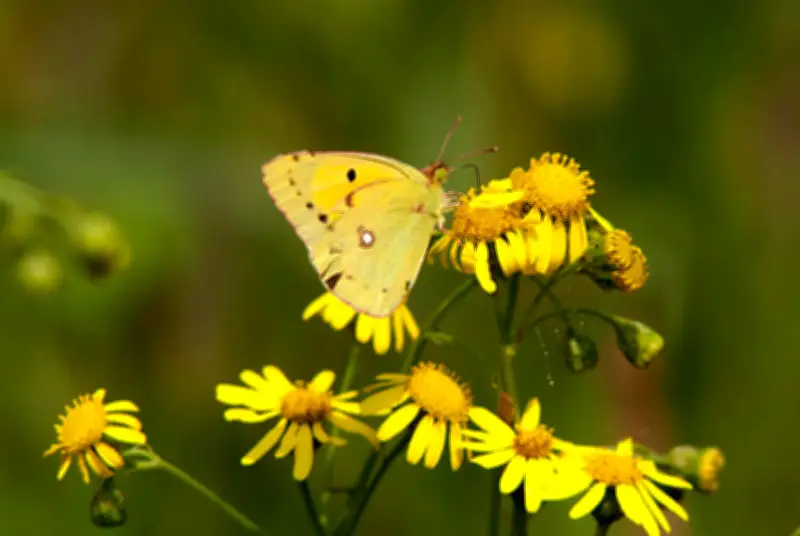
On a sunny, calm autumn day, Eric Brown, Wild Things columnist, added a clouded yellow butterfly to his 2026 year list at Oare Marshes near Faversham, Kent. He was not specifically searching for butterflies, but the species turned up while he was watching wading birds on the River Swale.
Through careful telescope scanning, Brown spotted a scarce curlew sandpiper among massed ranks of dunlin, avocet, ringed plovers, black-tailed godwits, redshanks and turnstones feeding on the mud. Something flew through his lens too close to identify, and it proved to be the clouded yellow, which he described as perhaps the ultimate butterfly because of its rich, butter-like colour.
A disappointing year for butterfly sightings
Brown congratulated himself on recording 15 different butterflies in 2026, but later realised the year had been one of his worst ever for sightings. Last year he saw 26 of the UK's regular 59 species. Mitigating factors included far fewer wildlife trips due to medical reasons and deterrent record temperatures.
Overall, it has been a good summer for butterflies, but the heat is on. According to Butterfly Conservation's Big Butterfly Count, sightings of painted lady increased 335% on last year despite its dangerous migration journey across the Sahara Desert and Mediterranean from Africa. One appeared in Brown's garden.
Big Butterfly Count highlights winners and losers
Sightings of small copper increased 93% and holly blue increased 42% significantly. Small white topped the August survey national table with 281,634 sightings, just ahead of gatekeeper with 211,029, large white with 190,295, red admiral with 141,178 and meadow brown with 134,335.
On the negative side, small tortoiseshell had its second worst year and has now declined 66% in 16 years of the Big Count. Speckled wood, green-veined white and ringlet, species sensitive to extreme heat, were recorded by the 101,565 survey participants in below-average numbers.
Concerns for next year's butterfly populations
No species suffered its worst year in the survey, but there are already fears for next year. The scalding summer caused many butterfly food plants to wither and die early, denying caterpillars the nourishment they require to become 2027 butterflies.
Brown's own garden highlight was not a butterfly at all but the spectacular garden tiger moth, which visited for two or three July days. He described it as lovely.