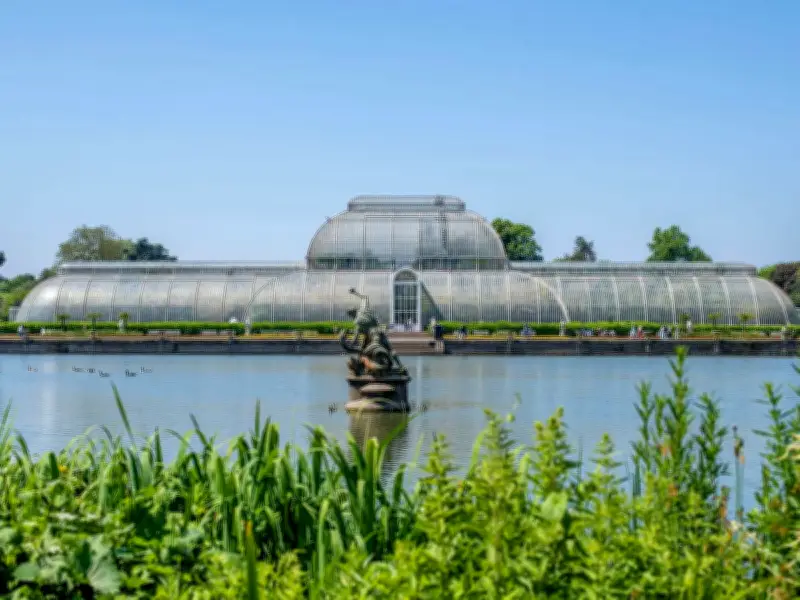
Kew Gardens has launched its biggest-ever fundraising appeal to raise £1 million towards the £66 million renovation of the iconic Palm House, warning that without urgent work, the Victorian landmark and the plants it protects could be lost forever. The Grade I listed glasshouse, which opened in 1848, shows serious signs of deterioration, and half of the total project funding has been secured so far.
Historic glasshouse at risk
The Palm House sits at the heart of the world-famous botanic gardens and provides an indoor rainforest environment for some of the world's rarest and most threatened plants. It is home to 1,300 tropical plant species, some of which are endangered or extinct in the wild, and supports Kew's research into conservation, food security, and preventing biodiversity loss.
Richmond Council approved the renovation project in February. The work will transform the Palm House and the neighbouring Grade II listed Waterlily House into the world's first net-zero glasshouses of their kind. The Waterlily House, completed in 1852 to showcase the world's biggest waterlily, has already closed for renovation and is expected to reopen in spring next year.
Renovation plans and funding
The makeover of the Palm House will involve replacing 16,500 glass panes with sealed glazing units, using bespoke silicone seals to reduce heat loss, and installing fully electrified air and water source heat pumps. Original materials and finishes will be conserved, and the glasshouses will be made fully accessible to more visitors.
Richard Deverell, Kew's director, said: "For generations, the Palm House has been a place where people encounter the extraordinary diversity of life on Earth. It is a building that has inspired wonder for almost 180 years, but its future cannot be taken for granted." He added: "We have reached an important milestone, with half of the funding already secured thanks to generous philanthropists, grants and individuals. Now we are asking the public to help us raise the next £1m. Every donation, however large or small, will help protect this extraordinary building and the collection within it for generations to come."
Impact of the project
The Palm House is set to close in 2027 for five years while renovation takes place. Tom Pickering, Kew's head of glasshouses, said: "Rainforests capture people's imagination because of the remarkable diversity of life they support. However, this research suggests many people are less aware of the extraordinary plants these ecosystems rely on or their essential medicinal value." He added: "At a time of accelerating climate change and biodiversity loss, understanding the far-reaching importance of rainforests has never been more critical. We depend on them for the regulation of our climate, their resources, medicines and as homes for millions of people."
The redevelopment is led by Kew's capital projects team, Hugh Broughton Architects, and Cundall engineers. Kew aims to become climate positive by 2030, setting a science-based carbon emissions reduction target as part of its 10-year corporate strategy published in 2021. Members of the public can donate directly to the appeal or sponsor a pane of glass or tropical plant species, with donations up to £300,000 matched, via Kew's website.