Indigenous Activists in Brazil Halt Amazon River Privatization Plan
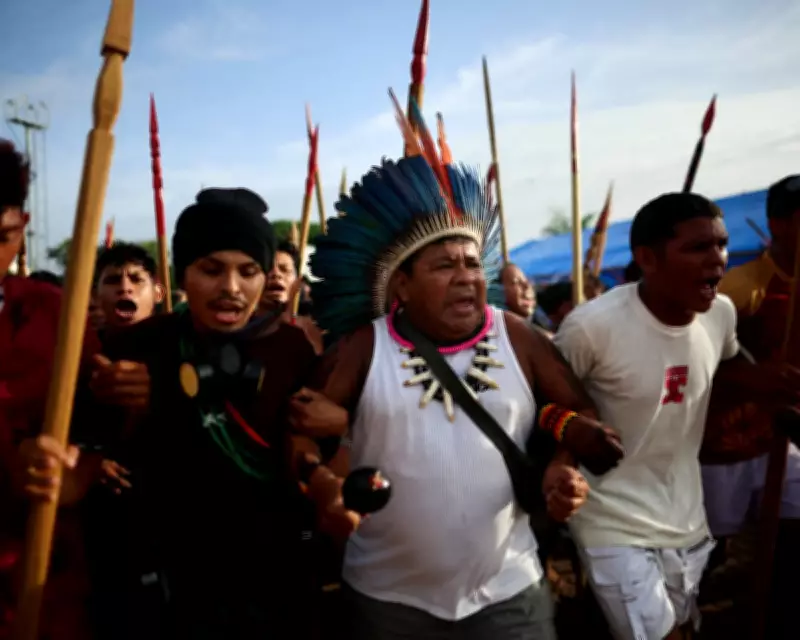
In a landmark victory for environmental and Indigenous rights, campaigners in the Brazilian Amazon have successfully thwarted plans to privatize the Tapajós River. Through a bold occupation of a grain terminal operated by Cargill, one of the United States' largest private companies, local river defenders compelled the Brazilian government to reverse its decision, celebrating what they called "a victory for life."
A Triumph for Local Communities
The activists, primarily from the Munduruku, Arapiun, and Apiaká Indigenous peoples, declared, "The river won, the forest won, the memory of our ancestors won." Their actions, involving about 1,000 individuals, disrupted operations at the Cargill facility in Santarém, a critical hub in the global food trade that handles over 70% of soy and maize shipments through the region. This occupation followed an earlier interception of a grain barge, highlighting the community's determination to protect their waterways from industrial exploitation.
Background of the Privatization Threat
The Brazilian government, under President Luiz Inácio Lula da Silva, had announced plans in August to auction off dredging and traffic management operations on the Tapajós, Madeira, and Tocantins rivers. This move aimed to expand the Tapajós into a "hydrovia," or mega-canal, to boost economic development by facilitating soy exports, primarily to China. Proponents argued that river shipping was more efficient and less polluting than road transport, but Indigenous groups warned of severe environmental and social risks.

Environmental and Social Concerns
The Federation of Indigenous Peoples of Pará emphasized that transforming Amazonian rivers into economic routes threatens Indigenous territories, traditional lifestyles, food security, and biodiversity. The Tapajós River, once known for its crystalline waters, now suffers from pollution due to illegal mining and diesel spills from soy barges. Recent droughts have exacerbated these issues, making navigation difficult and impacting local communities' access to supplies and healthcare.
Global Implications of the Victory
This victory underscores the critical role of Indigenous and local activists in safeguarding global environmental assets. The Amazon rainforest plays a vital role in climate regulation by absorbing carbon dioxide and generating rainfall worth an estimated $20 billion annually for agriculture and water systems. Despite this, extractive industries often degrade these resources without accountability, making grassroots campaigns essential for conservation efforts.
Key Figures and Ongoing Struggles
Alessandra Korap Munduruku, a prominent Indigenous leader, has been at the forefront of these efforts, including blockading the COP30 summit to raise awareness. As scientists warn that the Amazon is nearing a point of no return due to deforestation, this success highlights the ongoing need for support against agribusiness, corporate interests, and international buyers driving environmental destruction.
The activists' triumph in Santarém demonstrates that local resistance can challenge powerful global forces, offering hope for the protection of vital ecosystems worldwide.