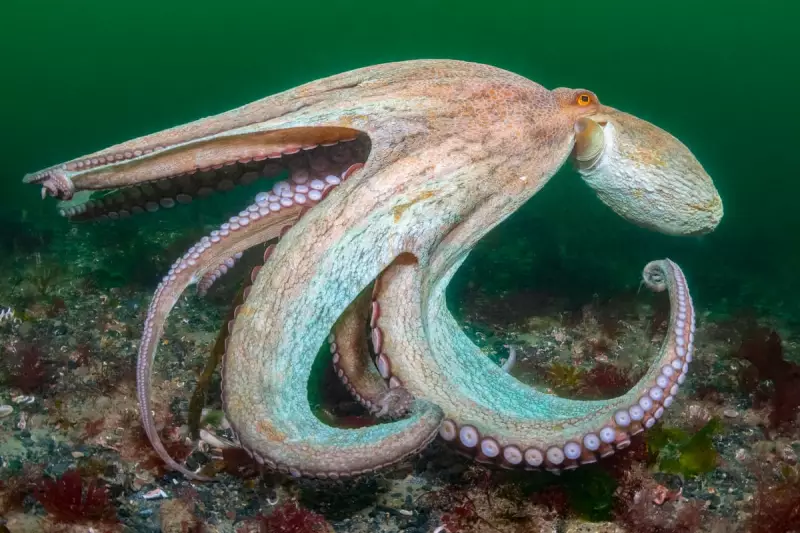
Marine biologists and wildlife enthusiasts are celebrating an extraordinary phenomenon in UK waters, with 2025 being unofficially declared the 'Year of the Octopus'. Record numbers of the intelligent cephalopods, specifically the common octopus (Octopus vulgaris), have been observed along England's picturesque south coast.
An Unprecedented Surge in Sightings
The dramatic increase has been documented by the citizen science project Seasearch, which coordinates volunteer divers to monitor marine life. Data reveals sightings have skyrocketed, with reports coming from a stretch of coastline spanning from the shallow, sandy bays of Sussex to the rocky reefs of Dorset and Devon. This marks a significant shift, as the common octopus was considered relatively scarce in these waters for decades.
Experts point to a combination of environmental factors driving this population boom. Successive warm summers have created favourable conditions, while abundant crab and lobster populations—key prey for octopuses—have provided a ready food source. Furthermore, conservation measures like the establishment of marine protected areas and restrictions on certain types of fishing gear may have offered these creatures a safer habitat in which to thrive.
What This Means for Local Ecosystems
The sudden prevalence of this apex predator is sending ripples through the local marine ecosystem. Dr. James Hunter, a leading marine ecologist, explains that octopuses are formidable hunters. Their rising numbers could potentially impact populations of crabs, lobsters, and bivalves. However, he cautions against viewing this as a simple negative, stating it represents a dynamic rebalancing of the coastal food web after years of human pressure and environmental change.
This event is not isolated to the UK. Similar population increases have been noted in other regions, including the Mediterranean and parts of the southern hemisphere, suggesting a broader global trend linked to changing ocean conditions. The octopus's short lifespan and rapid breeding cycle allow it to exploit new ecological opportunities faster than many other marine species.
A Beacon for Marine Conservation and Citizen Science
The 'Year of the Octopus' has become a powerful tool for public engagement. The surge in sightings, often shared on social media by amazed divers and snorkellers, has captured the public imagination. It highlights the success and critical importance of citizen science initiatives like Seasearch, which provide invaluable long-term data that might otherwise go unrecorded.
While the phenomenon is a cause for fascination and study, scientists are keen to monitor its longevity. The octopus population is notoriously variable, and future cold winters or other climatic shifts could see numbers fall again. Nevertheless, the events of 2025 serve as a vivid reminder of the ocean's capacity for surprise and resilience. It underscores the need for continued protection of marine habitats, ensuring that such remarkable wildlife recoveries are not just a fleeting event but a sustained recovery.
For now, the waters off the English south coast are hosting an eight-armed spectacle, offering a unique glimpse into the adaptive and mysterious world of one of the planet's most intelligent invertebrates.