Water Company Pleads Guilty in Devon Parasitic Contamination Case
South West Water Ltd has formally admitted to supplying water that was unfit for human consumption following a significant parasitic outbreak in Devon. The company entered a guilty plea at Exeter Magistrates' Court on Wednesday, March 4, 2026, under section 70(1) of the Water Industry Act 1991. This legal admission comes nearly two years after the initial contamination incident that severely impacted the local community.
Outbreak Details and Public Health Impact
The contamination occurred in Brixham, Devon, in May 2024, when the water supply became infected with cryptosporidium, a dangerous parasite known to cause severe sickness and diarrhoea. Hundreds of residents fell ill during the outbreak, with some requiring hospital treatment for their symptoms. The health consequences were both immediate and prolonged, with reports indicating that effects persisted long after official notices were lifted.
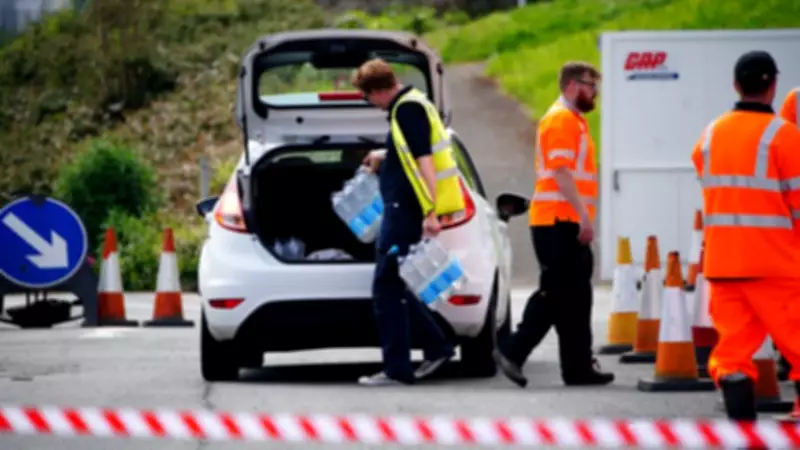
Authorities responded by issuing a "boil water" notice to approximately 17,000 households and businesses throughout the affected area. This precautionary measure advised residents not to consume tap water without first boiling and cooling it. For many households, these restrictions remained in place for an extended period of eight weeks, significantly disrupting daily life and causing considerable inconvenience.
Legal Proceedings and Sentencing
The Drinking Water Inspectorate (DWI) prosecuted South West Water for the contamination incident. During the court hearing, Howard Leithead, representing the DWI, argued that the case should be transferred to crown court for sentencing, describing it as "high-profile or exceptionally sensitive" due to the widespread impact on the community. However, Dominic Kay KC, representing the water company, countered that South West Water had pleaded guilty at the earliest opportunity and submitted a basis of plea, suggesting the case could be properly handled in magistrates' court.
District Judge Stuart Smith ultimately rejected the prosecution's submission to move the case, deciding to maintain jurisdiction within the magistrates' court. The company now faces a substantial fine when sentencing occurs on June 2, 2026, at the same court. This legal outcome represents a crucial step toward accountability for the contamination event.
Financial and Political Repercussions
Pennon, the parent company of South West Water, previously disclosed that the final financial impact of the outbreak reached nearly £40 million. This substantial sum includes approximately £36 million in costs related specifically to the contamination incident and subsequent transformation programs implemented by the company. The financial burden reflects both direct response costs and broader operational changes necessitated by the crisis.
Political figures have responded strongly to the guilty plea. Caroline Voaden, Liberal Democrat MP for South Devon, stated: "This admission of guilt has been a long time coming. I am glad that SWW have owned up to their serious failures. This awful event should never have happened." She further criticized what she described as a "mismatch between rhetoric and action" within the water industry, suggesting systemic problems extend beyond this single incident.
Water minister Emma Hardy added her condemnation, stating: "Contamination of drinking water is rare but it is utterly unacceptable. The communities affected by this abhorrent incident in Brixham deserve answers and today's guilty plea is a crucial step toward accountability."
Regulatory Response and Industry Implications
Marcus Rink, chief inspector of the Drinking Water Inspectorate, emphasized the seriousness of the company's failures, noting: "The company's decision to plead guilty to the offences relating to the Brixham incident reflects the seriousness of the failings identified during our investigation. While such incidents are very rare, this incident had a significant impact on the public and the wider community."
The case highlights broader concerns about water safety and corporate responsibility within the utility sector. The prolonged nature of the contamination event, combined with the extensive public health impact and subsequent legal proceedings, raises important questions about water quality monitoring, emergency response protocols, and industry transparency. As sentencing approaches, both regulators and the public will be watching closely to see what consequences emerge from this significant breach of public trust.