
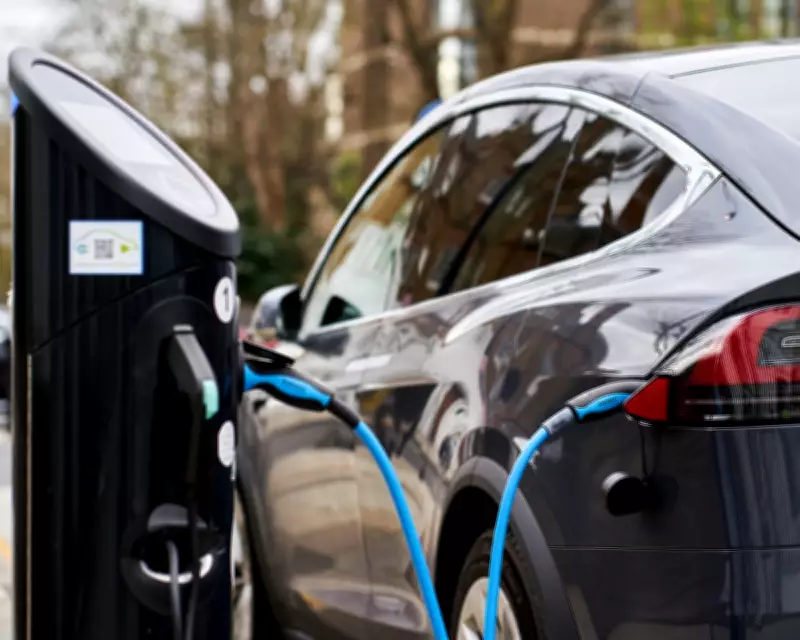
London's EV Charging Dilemma: Superfast Stations Spark Debate
London is grappling with a pivotal decision regarding the deployment of superfast electric vehicle (EV) charging stations, as experts raise alarms about potential grid strain and soaring costs. Advocates for rapid infrastructure expansion argue that such measures are essential to meet the UK's ambitious 2030 targets for phasing out petrol and diesel vehicles. However, critics caution that the push for ultra-rapid charging could lead to significant technical and financial challenges.
Grid Capacity Concerns
Energy analysts have highlighted that superfast EV chargers, capable of delivering power at rates exceeding 350 kilowatts, could place immense pressure on London's electrical grid. The city's aging infrastructure may struggle to handle the sudden surges in demand, particularly during peak hours. This could result in blackouts or the need for costly upgrades, estimated to run into billions of pounds. Moreover, the intermittent nature of renewable energy sources, which are increasingly integrated into the grid, adds another layer of complexity to ensuring stable power supply for these high-demand stations.
Financial Implications
The installation and maintenance of superfast charging stations come with a hefty price tag. Industry reports suggest that each station can cost upwards of £100,000, not including the expenses for grid connections and land acquisition. For local councils and private operators, this raises questions about affordability and return on investment. Some stakeholders propose a more gradual approach, focusing on expanding standard and fast-charging networks first, which are less costly and easier to integrate into existing systems.
Advocates' Perspective
Proponents of superfast charging argue that it is a necessary step to accelerate EV adoption and reduce carbon emissions. They point to studies showing that faster charging times can alleviate range anxiety among drivers, making electric vehicles more appealing. Additionally, with London's commitment to achieving net-zero emissions by 2030, investing in cutting-edge technology is seen as crucial. Supporters also emphasize the potential economic benefits, such as job creation in the green energy sector and enhanced public perception of the city as a leader in sustainability.
Alternative Solutions
As the debate intensifies, alternative solutions are being explored. These include:
- Smart Charging Systems: Implementing technology that optimizes charging times based on grid capacity and renewable energy availability.
- Battery Storage: Using on-site batteries to store excess energy and reduce peak demand on the grid.
- Public-Private Partnerships: Collaborating with private companies to share costs and expertise in deploying charging infrastructure.
Experts suggest that a balanced approach, combining superfast stations with these innovations, could mitigate risks while advancing London's EV goals.
Future Outlook
The outcome of this debate will significantly impact London's transport landscape and environmental targets. Policymakers are urged to conduct thorough feasibility studies and engage with stakeholders to develop a sustainable strategy. As the city moves forward, the focus must remain on creating a resilient and efficient charging network that supports both current needs and future growth, without compromising grid stability or financial viability.



