
Miliband's Green Energy Vision: A Legacy Rivaling the NHS for Britain
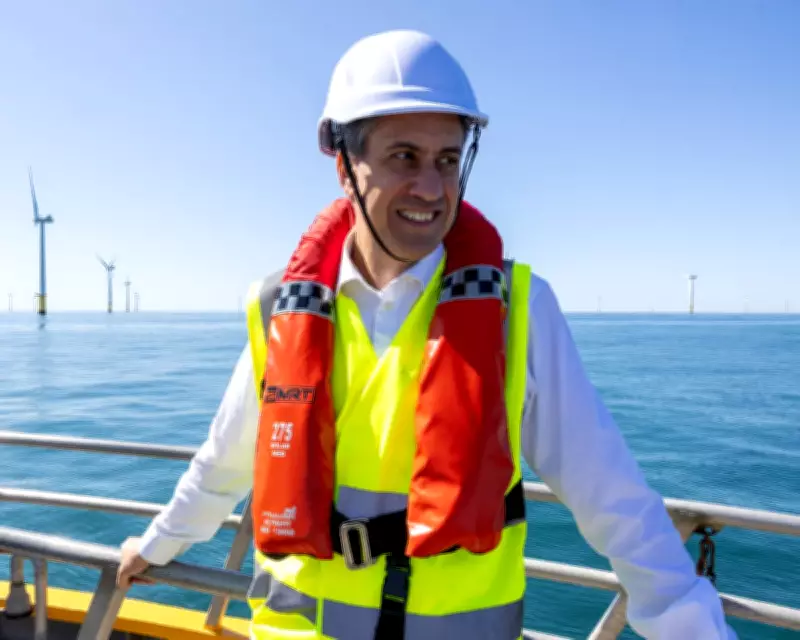
Ed Miliband, the Labour politician, recently visited the Rampion offshore windfarm off the Sussex coast in July 2025, highlighting his commitment to a transformative green energy agenda. This initiative, if realized, could leave a legacy as significant as the establishment of the National Health Service (NHS) by Nye Bevan in 1948. With Labour potentially facing a single term in government, Miliband's plan to shift Britain to homegrown clean energy emerges as a pivotal, irreversible achievement that might reshape the nation's future.
The Parallel to NHS Creation
Historically, Miliband's efforts mirror Bevan's ruthless determination in creating the NHS, facing fierce opposition from political rivals who dismiss renewables. Just as the NHS instilled national pride by removing fear over healthcare costs, Miliband envisions energy independence freeing Britain from volatile oil and gas markets and foreign dependencies, such as those involving Vladimir Putin or Donald Trump. In a recent speech, he announced a "sprint to build clean power at scale on the public estate," emphasizing faster adoption of solar energy and electric vehicles (EVs).
He argues that electrifying Britain with renewables is essential for financial, energy, and national security, especially amid global tensions like Trump's conflicts with Iran. This reframes green policy from a "weak" or "woke" concept to a core component of national defense, challenging outdated perceptions.
Progress and Achievements in Green Energy
Good news is emerging in the green energy sector, despite broader economic challenges. Recent developments include:
- Contracts signed for small modular reactors, marking the largest nuclear building programme in half a century.
- Renewables auctions securing enough clean power for 23 million homes.
- Approval of the UK's largest-ever solar project, alongside investments in hydrogen, floating wind, and wind turbine manufacturing.
Renewables have surged from generating 7% of electricity in 2010 to nearly 50% today. Last year, UK greenhouse gas emissions hit their lowest since 1872, and wind generation in March 2025 saved £1 billion in gas imports, according to Carbon Brief. The target of 95% renewable electricity by 2030 is ambitious but deemed "within reach" by the Climate Change Committee, provided government commitment remains steadfast.
Political Support and Opposition
Miliband's firm stance, including overcoming nimby resistance, has made him Labour's most popular cabinet minister among members. He enjoys backing from Rachel Reeves and Keir Starmer, which has attracted significant state and private investment. Today, Reeves will announce reforms to electricity pricing systems, often skewed by gas costs, to further support the transition.
However, challenges persist. Public awareness of government efforts to reduce energy bills is "almost nonexistent," as noted by the thinktank More in Common. Voters blame energy companies for greed, fueling anti-system sentiments that threaten established parties. Opposition from Reform and the Tories, who advocate for maximum North Sea drilling, ignores the international pricing of oil and gas, yet governments often bear the brunt of public frustration over rising bills.
The Red/Blue Divide and Public Sentiment
A stark political divide is evident, with figures like Kemi Badenoch reversing support for net zero targets, calling them "fantasy politics," despite earlier endorsements. Meanwhile, the Greens have downplayed green policy in recent local elections. Nonetheless, public support for net zero remains strong at 60%, including 48% of Tory voters. Practical shifts are also underway: March saw record EV sales in the UK, now cheaper on average than petrol cars, and Octopus Energy reported a 50% rise in solar panel sales and a 30% increase in heat pump sales last month.
Miliband must drive this vision forward to ensure public recognition, much like Bevan achieved with the NHS within three years. Both projects require substantial investment during tough economic times, but the potential legacy—a monument to Labour's achievements—is immense. As Britain navigates energy and climate challenges, Miliband's plan stands as a beacon of hope for a sustainable and proud future.



