
Miliband to Reinforce Net Zero Commitment with New Energy Policies
Energy Secretary Ed Miliband is set to deliver a major speech this week, doubling down on Labour's commitment to achieving net zero emissions. In response to the escalating energy crisis triggered by global conflicts, Miliband will argue that the era of fossil fuel security has ended, and the transition to clean energy must now accelerate to ensure national stability.
Addressing the Energy Shock from Middle East Conflicts
The speech comes amid soaring fossil fuel prices, exacerbated by recent tensions in the Middle East, including conflicts involving Iran. Miliband will emphasize that relying on imported oil and gas leaves the UK vulnerable to international disruptions and price volatility. He is expected to state, "As we face the second global energy shock in less than five years, the lesson for our country is clear; the era of fossil fuel security is over, and the era of clean energy security must come of age."
This announcement follows a period of intense pressure on the government, with calls from political opponents to increase oil and gas drilling in the North Sea. However, Miliband will counter these proposals, labeling them as "false solutions" that fail to address the root causes of the crisis. He will assert, "You can’t solve a fossil fuel crisis by doubling down on fossil fuels."
New Policy Measures to Boost Clean Energy Adoption
In his address, Miliband will unveil a comprehensive package of policies designed to fast-track the UK's clean energy transition. Key initiatives include:
- Accelerating the warm homes plan to promote the rapid installation of solar panels and adoption of electric vehicles.
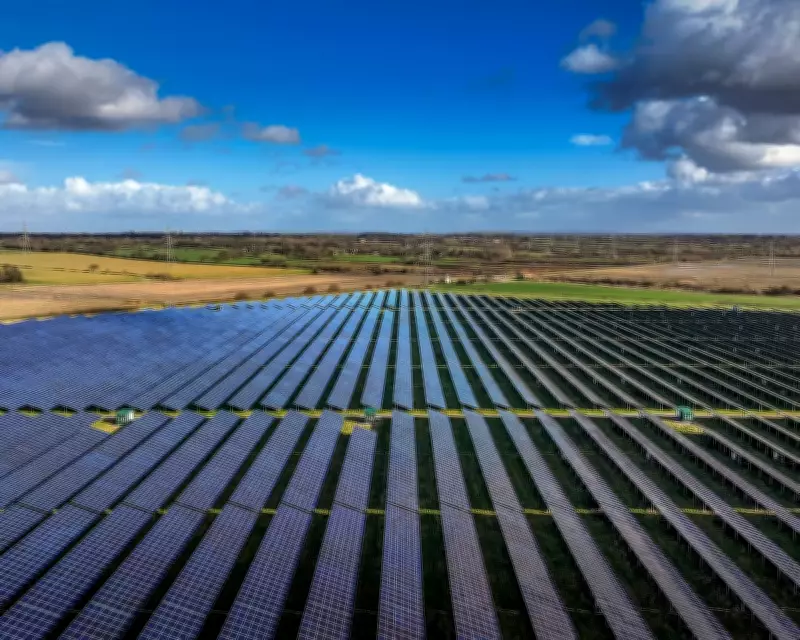
- Expanding the use of solar energy on public land to increase renewable generation capacity.
- Delinking gas and electricity prices to reduce consumer bills and provide more stable energy costs.
These measures aim to capitalize on growing consumer demand for clean technologies. Since the onset of the Middle East conflict, sales of solar panels and heat pumps have surged by 50%, and electric vehicle sales reached record highs in March. Miliband will highlight that clean energy offers a reliable alternative, stating, "An alternative that cannot be disrupted by foreign wars because it comes from our own wind, sun and nuclear resources. That isn’t subject to global price shocks because it is locked in at stable prices here at home."
Navigating North Sea Drilling and Future Energy Strategy
While the government acknowledges the North Sea as a valuable resource for the coming decades, Miliband will avoid making immediate decisions on controversial drilling projects like Jackdaw and Rosebank. Instead, he will focus on exploring "tie-back" arrangements to extract more oil and gas from existing fields, as suggested by Chancellor Rachel Reeves. This approach aims to balance short-term energy needs with long-term sustainability goals.
To further support consumers, the Treasury is considering measures such as raising the electricity generator levy—a windfall tax on low-carbon producers—to fund bill reductions. Domestic energy bills are projected to rise by about 12% later this year, but government interventions seek to mitigate the impact, especially for vulnerable households and energy-intensive industries.
Miliband's speech underscores a strategic pivot towards energy independence and climate resilience, positioning clean energy as the cornerstone of the UK's future security and economic stability.



